

⏱ 1 min read
The Short Version
A looming Super El Niño could slash Brazil’s harvest projections by 20% and leave Ethiopian trees desiccated. For smallholders, this isn't just a market fluctuation; it’s an existential threat where rising commodity prices mean nothing if there is no crop to sell.
There’s something brewing on the horizon, and it isn’t a new roast profile. A predicted Super El Niño event is set to dominate global climate patterns through late 2026, bringing a volatile mix of extreme heat and erratic rainfall to the world’s coffee belt. While weather patterns are notoriously difficult to forecast with precision, the potential for widespread disruption to both supply and smallholder livelihoods is high.
It’s difficult to know what’s going to happen.
The Localized Reality of Climate Extremes
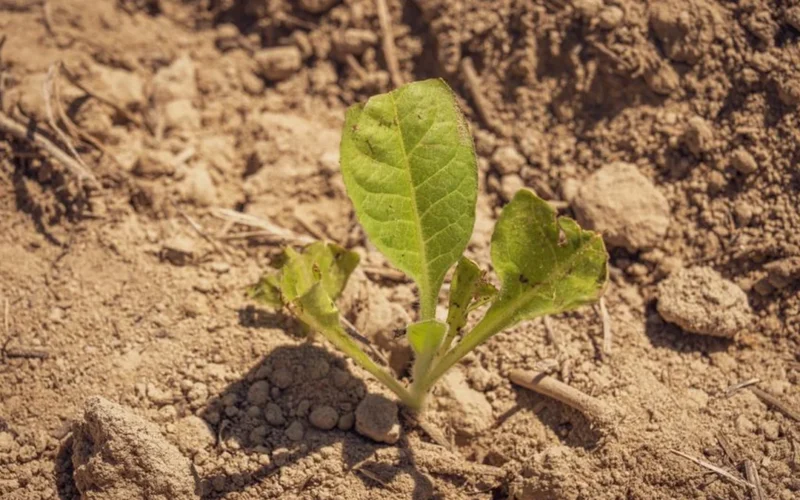
The impact of El Niño is rarely uniform; it operates on a highly localized scale that can devastate specific regions while leaving others untouched. Dr. Aaron Davis of the Royal Botanic Gardens, Kew, notes that past events have seen some areas thrive while others face total crop failure. In Ethiopia, for instance, previous cycles saw trees so desiccated they were essentially dead, with branches snapping under minimal pressure. It’s difficult to know what’s going to happen. This unpredictability means that even if Brazil anticipates a bumper harvest, a single intense drought during the critical flowering stage could slash those projections by as much as one-fifth.
Beyond Commodity Pricing to True Profitability
For the specialty sector, the concern extends beyond simple market fluctuations to the actual economic survival of farmers. Will Corby of Pact Coffee points out that when yields drop due to environmental stress, the traditional metric of “price per pound” becomes secondary to how many pounds a farmer actually manages to harvest. Even if commodity prices spike, a grower cannot sell what they failed to grow, often leading to a massive hit on profit margins. For millions of smallholders who lack the capital to invest in expensive irrigation or water catchment systems, these extreme shifts represent an existential threat rather than a mere market trend. As growers begin experimenting with more resilient species like Excelsa, Liberica, and Stenophylla to safeguard their livelihoods, the industry faces a fundamental question regarding its long-term strategy. Do you believe the specialty coffee industry is doing enough to support smallholder farmers through these inevitable climate disruptions?
Questions & Answers
How will a Super El Niño event impact global coffee production?
A Super El Niño event threatens to disrupt coffee yields by bringing extreme heat and erratic rainfall to the world's coffee belt. These volatile weather patterns can cause widespread damage, such as intense droughts during critical flowering stages that might slash harvest projections by one-fifth. Because climate impacts are highly localized, some regions may face total crop failure while others remain unaffected. This unpredictability makes it difficult for producers to plan for stable supply levels through late 2026.
Why do high commodity prices not always guarantee profitability for coffee farmers?
High commodity prices fail to ensure farmer profitability when environmental stress significantly reduces the total volume of coffee harvested. While market prices per pound may spike during shortages, a grower cannot generate revenue from crops that failed to grow due to weather extremes. For many smallholders, the actual number of pounds harvested becomes more important than the price per pound. This often leads to massive hits on profit margins, especially when farmers lack capital for irrigation systems.
What types of coffee species are growers using to combat climate change?
Coffee growers are experimenting with more resilient species like Excelsa, Liberica, and Stenophylla to safeguard their livelihoods against environmental shifts. These varieties are being explored as part of a long-term strategy to manage the risks posed by unpredictable weather patterns. By diversifying away from traditional species that may be more vulnerable to heat or drought, farmers hope to create a buffer against the existential threats posed by extreme climate events like Super El Niño.
In what ways does El Niño affect different coffee-growing regions?
El Niño affects coffee-growing regions through highly localized and unpredictable weather extremes rather than uniform global changes. While one area might experience a bumper harvest, another may suffer from devastating droughts that leave trees desiccated and dead. For example, previous cycles in Ethiopia saw branches snapping due to extreme dryness. This lack of uniformity means that even major producers like Brazil face significant risks where single intense weather events can drastically alter their expected annual yields.
Originally reported by Global Coffee Report.


[…] just another local market; it is a curated gathering designed to showcase the breadth of roasting talent from Philadelphia and […]
[…] turbulent. Coffee prices recently hit a five-week low due to anticipated Brazilian harvests, yet El Niño threatens to spark sudden price spikes. In Colombia, despite escaping a significant earthquake, producers are […]
[…] Croatia, and Serbia, providing a space for these regions to define their own narrative within the global market. While the Barista Battle Challenge brings intense competition in espresso and latte art, the […]