⏱ 1 min read
The Short Version
Andreola is intentionally ditching the "Prosecco" label to escape the shadow of mass-market volume. By prioritizing specific appellations and grueling, site-specific viticulture, they’re betting that true terroir matters far more than a generic regional name.
In This Article
If you haven’t heard yet, one of the region’s most respected names is intentionally shrinking its market reach. Stefano Pola, leading the estate founded by his father Nazzareno, has spent years doing what looks like commercial self-sabotage: removing the word Prosecco from his labels. For an estate built on that very name, it was a calculated move to distance his wines from a category often defined by volume rather than vibrancy.
The estate no longer wanted to be tied to a Prosecco category that had grown too broad and too simplified for what it was trying to say.
Trading volume for identity
The decision, finalized in 2018, stems from a desire to bridge the gap between mass-market bubbles and high-altitude quality. While many producers cling to the Prosecco moniker for its global recognition, Andreola focuses on specific appellations like Valdobbiadene DOCG. By leaning into the Rive system and specific parcels, they signal to consumers that these aren’t just sparkling wines, but expressions of precise microclimates. The estate no longer wanted to be tied to a Prosecco category that had grown too broad and too simplified for what it was trying to say. This shift moves the conversation away from price points and toward terroir.
The reality of heroic viticulture
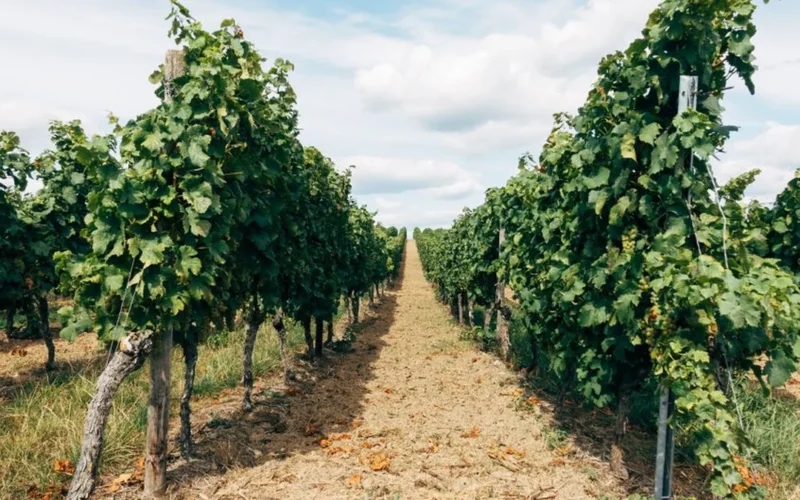
Maintaining this standard requires navigating more than just marketing hurdles; it involves managing 250 difficult parcels across steep hillsides. While “heroic viticulture” is often used as a trendy buzzword, for Andreola, it represents the grueling reality of manual labor and unpredictable weather. Finding workers willing to follow nature’s erratic timetable—starting before dawn to avoid heat or rushing through vineyards during brief dry windows—is a constant struggle. Success depends entirely on the people who understand the rhythm of the vine. This commitment to site-specific winemaking has allowed them to expand into new territories, such as the Belluno Dolomites, without diluting their core identity. Whether producing an Extra Brut or a richer Extra Dry, the goal remains consistency through quality. They are betting that once a producer’s reputation for excellence is established, the generic regional name becomes redundant. Do you think removing a famous regional name helps or hurts a brand’s prestige in the long run?
Questions & Answers
Why did Andreola remove the Prosecco name from its wine labels?
Andreola removed the Prosecco name to distance its wines from a mass-market category often defined by high volume rather than quality. By moving away from the broad Prosecco moniker, the estate aims to shift the consumer conversation from simple price points toward the specific expression of terroir. This strategic decision allows the producer to focus on prestige appellations like Valdobbiadene DOCG and emphasize the unique identity of its individual wine parcels instead of a simplified regional label.
What does heroic viticulture mean for the Andreola estate?
Heroic viticulture represents the grueling manual labor required to manage 250 difficult vineyard parcels located on steep hillsides. For the Andreola estate, this practice involves navigating unpredictable weather and a constant struggle to find skilled workers who can follow nature's erratic timetable. Success in these vineyards depends on laborers who are willing to work through brief dry windows or start before dawn to avoid intense heat, ensuring that every vine is managed with precise care.
How does Andreola emphasize terroir in its winemaking process?
Andreola emphasizes terroir by focusing on specific appellations and the Rive system rather than relying on generic regional names. By highlighting particular microclimates and individual parcels, the estate signals to consumers that their wines are precise expressions of a specific location. This method moves the brand identity away from mass-produced sparkling wine categories and toward high-altitude quality, allowing them to showcase how unique soil and climate characteristics influence the final character of each bottle.
What challenges does the estate face when managing its vineyards?
The estate faces significant logistical and environmental challenges related to manual labor and unpredictable weather patterns. Managing hundreds of parcels across steep hillsides requires a workforce that can adapt to nature's changing rhythms, such as rushing through harvests during short dry periods. Finding reliable workers who are willing to perform this intense physical labor under difficult conditions is a constant struggle for the producer as they maintain their commitment to high-quality, site-specific winemaking.
Originally reported by The Drinks Business.