⏱ 1 min read
The Short Version
Nestlé and Côte d’Ivoire’s CNRA created a six-variety robusta blend that boosts yields by 86%, improves flavor, and reduces bitterness, marking a breakthrough in sustainable coffee farming.
In This Article
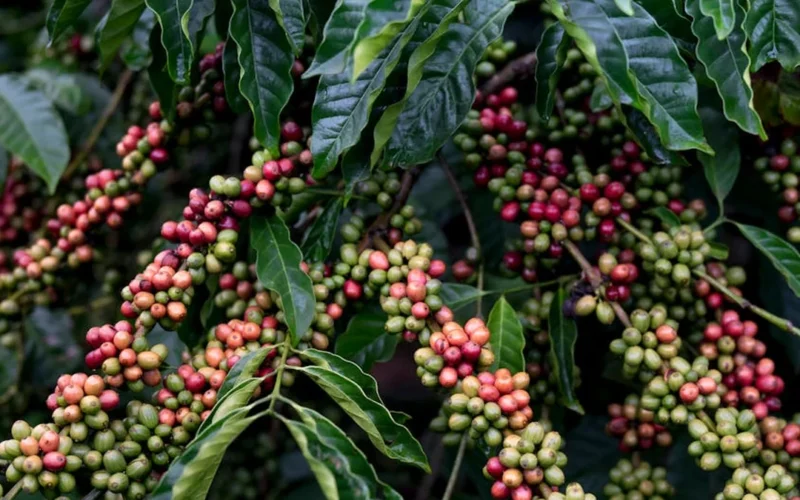
This could transform coffee production in Côte d’Ivoire: a new approach to growing robusta is set to boost yields by 86% while improving flavor and reducing bitterness. Nestlé’s multi-year trial, conducted with the country’s national research center, has developed a blend of six robusta varieties that promises to redefine the future of coffee farming.
The best results came not from a single standout variety, but from planting the six together.
A Collaborative Experiment
The trial, which tested 18 robusta varieties across four coffee-growing regions since 2018, focused on yield, flavor, and drought tolerance. Two of the top six performers were developed by Nestlé, four by CNRA, but the most significant success came from combining them. “The best results came not from a single standout variety, but from planting the six together,” Nestlé said. This mix of six varieties represents a fundamental shift in how the industry balances productivity and quality. The six have now been officially registered in Côte d’Ivoire and will be distributed via Nestlé’s Nescafé Plan, a sustainability initiative aimed at supporting cooperatives.
The Race to Revive Robusta
The trial fits into a broader industry push to save robusta, a species already under pressure from disease, climate shifts, and falling prices. A recent Frontiers in Plant Science review warned that current breeding cycles—often over 20 years—can’t keep up with the pace of change. Nestlé’s work, including its own arabica and robusta hybrids like Roubi 1 and Roubi 2, is part of a global effort to fast-track genetic improvements. The company’s long-standing ties to Côte d’Ivoire, from its 2013 experimental farm to joint ventures with CNRA, underscore a commitment that goes beyond profit. The best results came not from a single standout variety, but from planting the six together. This method could significantly impact smallholder farmers, offering a more resilient and profitable crop that aligns with climate realities. How do you balance tradition with innovation in a crop that’s already fighting for survival?
Questions & Answers
How does the new robusta coffee blend improve yields and flavor?
The new blend of six robusta varieties improves yields by 86% while enhancing flavor and reducing bitterness. This mix, developed through a multi-year trial by Nestlé and CNRA, combines the best traits of different varieties to balance productivity and quality, offering a more resilient and profitable crop for farmers.
Why is the collaboration between Nestlé and CNRA significant for coffee farming?
The collaboration between Nestlé and CNRA is significant because it brings together industry expertise and local research to address challenges like climate change and disease. By combining six robusta varieties, they created a more adaptable and high-quality crop, supporting both sustainability and economic growth in Côte d’Ivoire.
What role does the Nescafé Plan play in this initiative?
The Nescafé Plan plays a key role by distributing the new robusta blend to cooperatives, supporting smallholder farmers. This initiative helps ensure that the improved varieties are accessible, promoting sustainable farming practices and improving livelihoods through better yields and quality.
How is Nestlé contributing to the future of robusta coffee?
Nestlé is contributing by developing genetic improvements through its own hybrids like Roubi 1 and Roubi 2, and by collaborating with CNRA to create a blend of six robusta varieties. These efforts aim to fast-track breeding cycles and enhance resilience, aligning with global efforts to sustain robusta coffee production in the face of climate and market challenges.
Originally reported by Daily Coffee News.