⏱ 1 min read
The Short Version
A 2026 wild black tea dazzled with vibrant leaves but delivered a flat, cereal-like taste, revealing how visual appeal often overshadows actual flavor.
In This Article
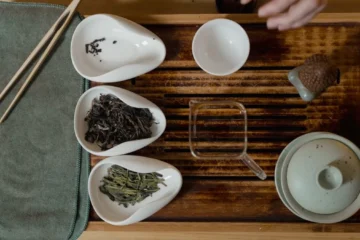
Let’s dissect a tea that dazzled with its appearance but disappointed with its flavor. A 2026 wild black tea, with leaves so vivid they seemed to shimmer under the sun, promised an immersive sensory experience. Yet, when brewed, it delivered a flat, cereal-like sip that felt like a missed opportunity. This mismatch between visual promise and actual taste is more than a flaw—it’s a reflection of how our perceptions are shaped by cultural narratives and historical associations.
The tea that dazzled with its appearance but disappointed with its flavor.
The Illusion of Perfection
Tea’s visual appeal often sets the stage for our expectations. Bright colors, intricate leaf shapes, and an enticing aroma can feel like a promise of quality. Yet, as this example shows, appearance is a poor predictor of flavor. A tea’s packaging, origin story, or presentation can amplify its allure, but the final taste depends on oxidation, fermentation, and processing. The visual allure of a tea can create a mental shortcut, making us overlook subtleties in its profile. Cultural traditions, like the reverence for certain shapes or colors in Chinese tea ceremonies, often influence what we expect from a cup.
The Reality Check
When the first sip fails to match the promise of the dry leaves, the disappointment is sharp. This tea’s subtle sweetness was almost a consolation prize, but it didn’t rescue the experience. The lesson here is simple: look and smell are invitations, not guarantees. A tea’s character is shaped by its terroir, craftsmanship, and time in the cup. If the flavor doesn’t align with the visual cues, it’s a sign to recalibrate your expectations—or your choices. The tea that dazzled with its appearance but disappointed with its flavor. So, what matters most to you? The visual spectacle, the aromatic promise, or the final sip that defines the experience?
Questions & Answers
What causes a tea's appearance to differ from its flavor?
A tea's appearance can create false expectations, but its flavor depends on oxidation, fermentation, and processing. The 2026 wild black tea had vibrant leaves but delivered a flat, cereal-like taste, showing that visual appeal doesn't guarantee quality.
How do cultural traditions influence tea expectations?
Cultural traditions, like Chinese tea ceremonies, shape expectations by associating specific shapes or colors with quality. These associations can make us anticipate certain flavors, even if the actual taste doesn't match.
Why is visual allure a poor predictor of tea flavor?
Visual allure sets the stage for expectations but doesn't ensure flavor. The 2026 tea's bright leaves promised a rich experience, yet its flat taste showed that appearance alone can't determine a tea's true character.
What should tea drinkers prioritize over visual appeal?
Tea drinkers should prioritize the final sip over visual appeal. The 2026 tea's subtle sweetness was a consolation, but it couldn't overcome the disappointment of its flat flavor, showing that taste defines the experience.
Originally reported by Reddit Tea.