⏱ 1 min read
The Short Version
Sixty-year-old vines deliver a soul-stirring blend of black cherry preserves and classic garrigue, but beware the heat. To tame the 15% alcohol and grippy tannins from this hot vintage, serve it slightly chilled to maintain its sophisticated balance.
In This Article
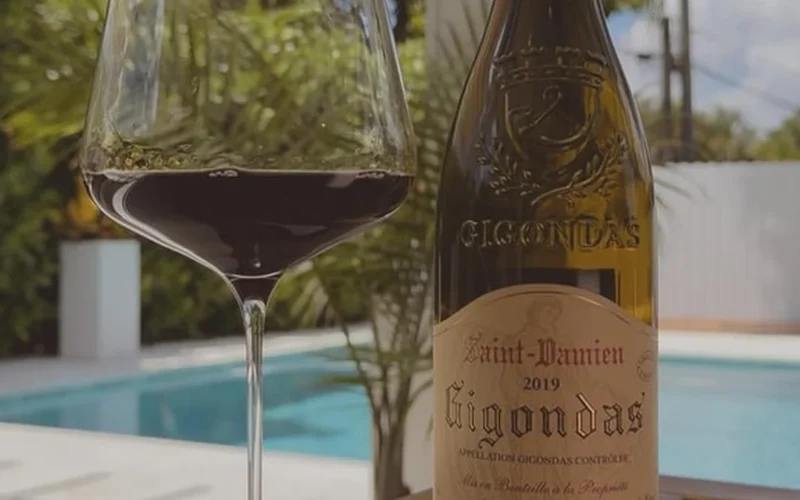
Let’s talk about the Southern Rhône. While supermarket Gigondas can serve as a reliable weekday pour, they rarely capture the soul of the terroir found in older, more intentional bottlings like this Domaine Saint-Damien. This particular expression relies on an 80% Grenache and 20% Mourvèdre blend, pulled from vines that have spent six decades anchoring themselves into the soil.
Two hours in, the herbs finally emerge—the classic garrigue and white pepper seasoning.
The craft of old vines
The winemaking approach here is refreshingly disciplined. By utilizing fully destemmed fruit and a month-long maceration in concrete tanks, the estate preserves the purity of the grape. Following this, the wine rests for a year in 50 hl foudres of older oak. This choice is critical; it allows for maturation while ensuring the wood does not overshadow the varietal character. On the nose, the initial profile offers tea leaves, potpourri, and a hint of smoke that transitions into licorice. As the bottle breathes, the fruit evolves into something reminiscent of stewed black cherries and plum jam.
Two hours in, the herbs finally emerge—the classic garrigue and white pepper seasoning.
Managing warmth and tannin
Drinking this vintage requires patience and strategy. Because it was a hot year, the 15% alcohol becomes quite perceptible as the liquid warms, creating a noticeable recoil if you aren’t careful. The palate is medium-bodied with a structural tannic component that remains grippy even after several hours of aeration. To find the balance, serve this in the low to mid-60s Fahrenheit to temper the heat and soften those mouthcoating tannins. [It is best paired with heavy proteins, like a grilled lamb chop, to offset the intensity.] While it lacks the deep chocolate notes found in some Syrah-heavy blends, its strength lies in its bright cherry preserves and essential Rhône herbalism.
Do you prefer your Grenache-based wines to be fruit-forward or more focused on savory garrigue?
Questions & Answers
What is the grape composition of Domaine Saint-Damien Vieilles Vignes?
The Domaine Saint-Damien Vieilles Vignes is composed of an 80% Grenache and 20% Mourvèdre blend. These grapes are harvested from old vines that have been anchored in the soil for sixty years. This specific ratio allows the wine to showcase the unique characteristics of the Southern Rhône terroir. The aging process involves resting the blend for one year in large 50 hl foudres made of older oak to preserve its varietal purity.
How should you serve Domaine Saint-Damien Vieilles Vignes for the best experience?
You should serve this wine in the low to mid-60s Fahrenheit range to achieve the best balance. Serving it at this cooler temperature helps temper the perceptible alcohol heat and softens the grippy, mouthcoating tannins. Because the vintage was produced during a hot year, managing the temperature is essential for preventing the 15% alcohol from becoming overwhelming. Pairing the wine with heavy proteins like grilled lamb chops can also help offset its intensity.
What tasting notes can be expected from this Southern Rhône wine?
The tasting profile transitions from aromatic top notes to deep, savory flavors as the wine breathes. Initially, the nose offers scents of tea leaves, potpourri, and smoke that lead into licorice. As it evolves, the fruit flavors shift toward stewed black cherries and plum jam. After about two hours of aeration, classic Mediterranean herbs known as garrigue and white pepper seasonings emerge on the palate to complete the complex profile.
Why does Domaine Saint-Damien use older oak foudres for aging?
The estate uses 50 hl foudres of older oak to allow for essential maturation without overshadowing the grape's natural character. By selecting older wood, the winemakers ensure that the oak flavors do not dominate the primary fruit and herbal notes of the Grenache and Mourvèdre. This disciplined approach, combined with a month-long maceration in concrete tanks, helps preserve the purity and soul of the terroir throughout the aging process.
Originally reported by Reddit Wine.