

⏱ 1 min read
The Short Version
Forget unyielding high acid; two years of cellar patience transforms this Chardonnay into a masterclass of seamless texture. Tony Bornard balances ripe stone fruit with a striking, sea-salt minerality that captures the limestone essence of Les Gaudrettes.
In This Article
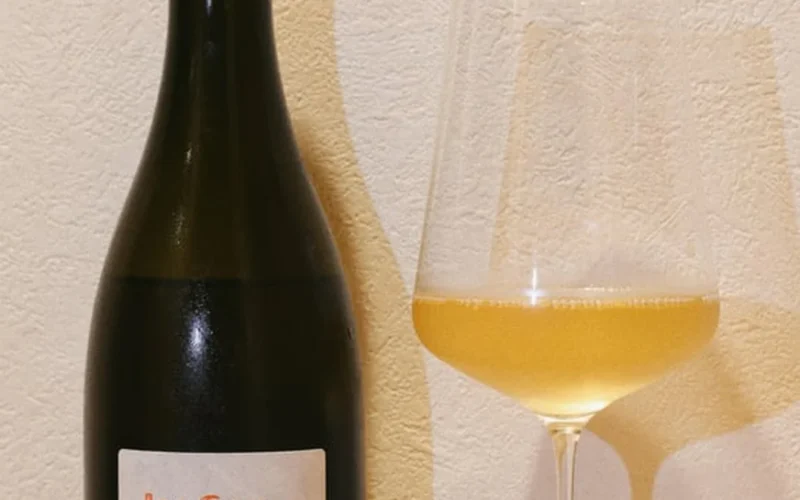
Let’s talk about the unexpected elegance of Tony Bornard’s 2018 Les Gaudrettes. While many high-acid whites can feel unyielding, this third batch of a three-part vintage release demonstrates how patience transforms raw fruit into something far more sophisticated. This bottling finds its equilibrium only after significant time in the cellar.
After two years of bottle aging, the wine has shed its primary tension in favor of a more integrated, seamless mouthfeel.
Precision in the cellar
The technical architecture of this Chardonnay is deliberate. After whole clusters were pressed directly, fermentation moved from stainless steel into oak barrels without bâtonnage. This choice allowed the fruit to retain its identity while gaining subtle structure from the wood. After two years of bottle aging, the wine has shed its primary tension in favor of a more integrated, seamless mouthfeel. The result is a profile that avoids the heavy-handedness often found in barrel-aged whites, opting instead for refined texture.
A balance of salt and stone
On the nose, gentle wood notes provide a backdrop for ripe apricot and peach. However, the real magic happens on the palate. You encounter a mouthwatering sea-salt lemon character layered with pineapple and citrus peel. This brightness is anchored by a striking mineral edge, a direct consequence of the limestone-rich soils of the Côte de Beaune that lend the wine its structural backbone.
The acidity remains energetic, yet it feels completely harmonious rather than sharp. Bornard has leveraged controlled fermentation and extended aging to achieve a rare level of textural complexity. This isn’t just another Chardonnay; it is a testament to the power of intentional maturation.
Do you prefer your Chardonnay with heavy oak influence or lean, mineral-driven acidity?
Questions & Answers
What are the tasting notes for Tony Bornard's 2018 Les Gaudrettes Chardonnay?
The 2018 Les Gaudrettes Chardonnay features a profile of ripe apricot and peach on the nose with citrus-driven flavors on the palate. You can expect to taste mouthwatering sea-salt lemon layered with pineapple and citrus peel. This fruit profile is anchored by a striking mineral edge that provides structural backbone. The wine maintains an energetic acidity that feels harmonious rather than sharp, resulting in a sophisticated and refined texture for the drinker.
How does the aging process affect the texture of this Chardonnay?
Extended bottle aging transforms the wine from having primary tension into a more integrated and seamless mouthfeel. After spending two years in the cellar, the Chardonnay sheds its initial sharpness to achieve a polished equilibrium. This intentional maturation allows the fruit to become more sophisticated while avoiding the heavy-handedness often associated with barrel-aged whites. The result is a wine that prioritizes textural complexity and a refined sense of balance over raw acidity.
Why does Tony Bornard's Chardonnay have such a strong mineral character?
The striking mineral edge in this Chardonnay is a direct consequence of the limestone-rich soils found in the Côte de Beaune. These specific soil compositions provide the structural backbone necessary to support the wine's energetic acidity and bright fruit flavors. By leveraging these unique terroir characteristics alongside controlled fermentation, the winemaker creates a sense of place that defines the wine's identity. This mineral quality helps anchor the more tropical notes like pineapple and peach.
What winemaking techniques were used to produce the Les Gaudrettes Chardonnay?
The production process involves pressing whole clusters directly before moving fermentation from stainless steel into oak barrels. Notably, the winemaker chooses not to use bâtonnage during this stage, which allows the fruit to retain its distinct identity while gaining subtle structure from the wood. This deliberate technical architecture is paired with significant time in the cellar to ensure the wine reaches a state of sophisticated equilibrium. These controlled methods result in a polished and harmonious final product.
Originally reported by Reddit Natural Wine.


[…] Burgundy often leads to a collision between exceptional quality and questionable value. The 2022 Les Ancegnieres from Pierre Yvonnès (PYCM) delivers a profile that is undeniably striking, yet it forces a […]
[…] a rare instance where the descriptor unique actually feels earned. This isn’t your standard, heavy-handed Chardonnay; it presents a high-tension profile defined by saline precision and a lean, architectural structure […]
[…] Structural superiority in Burgundy […]