

⏱ 1 min read
The Short Version
Forget the sommelier’s playbook; a spontaneous pairing with a 1994 Penfolds Bin 707 proves that greatness defies time. Decades later, this Cabernet remains remarkably vibrant, trading its initial fruit for a sophisticated complexity reminiscent of Napa Valley icons.
In This Article
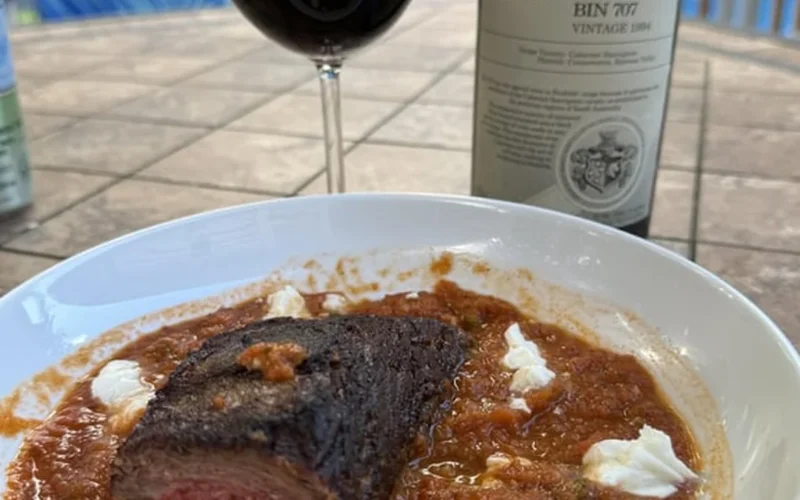
This might just change your routine: sometimes the best pairings are born from pure spontaneity rather than a sommelier’s playbook. What started as a makeshift meal—a wood-grilled rib steak topped with a garlic scape and basil ratatouille reduction—demanded a heavy hitter. Digging into the cellar revealed a bottle of 1994 Penfolds Cabernet Sauvignon Bin 707, a wine that defied expectations by remaining remarkably vibrant decades after its vintage.
After some time, the fruit begins blossoming with berry notes.
A Defiant Profile
Opening a thirty-year-old Cabernet can often feel like a gamble with a fragile cork or muted flavors. However, this particular bottle arrived with a perfect seal, offering an intensely red color that signaled immediate strength. While the initial pour showed signs of fruit dissipation, the structure remained intact. After some time, the fruit begins blossoming with berry notes. This evolution suggests that the tannins and acidity of the Bin 707 series possess a remarkable resilience that allows them to age gracefully without losing their core identity.
Unexpected Complexity
The sensory experience took a curious turn during decanting. As the wine breathed for roughly thirty minutes, the nose shifted toward a profile reminiscent of Napa Valley producers like Mondavi. While such a comparison is unconventional for an Australian icon, the depth of the aromatics was undeniable. The way the wine interacted with the rich, herbaceous elements of the grilled steak created a synergy that felt both rugged and sophisticated. It serves as a reminder that even when the primary fruit settles, the underlying architecture of a great Cabernet continues to develop in fascinating ways. What is the oldest bottle you have recently pulled from your cellar?
Questions & Answers
What are the tasting notes for a 1994 Penfolds Bin 707?
The 1994 Penfolds Bin 707 features an evolving profile that includes intense red coloring and blossoming berry notes. While the initial pour may show some fruit dissipation, the wine develops significant depth as it breathes. The aromatic profile can even shift to resemble Napa Valley producers like Mondavi during decanting. This complexity allows the Cabernet to maintain a sophisticated character that pairs well with rich, herbaceous flavors such as garlic and basil.
How does Penfolds Bin 707 age over several decades?
Penfolds Bin 707 ages gracefully due to a remarkable resilience in its tannins and acidity. Even after thirty years, the wine maintains an intact structure and a strong core identity despite the natural dissipation of primary fruit. This underlying architecture allows the wine to remain vibrant rather than becoming muted. The ability of the tannins to hold up over time ensures that the wine develops fascinating new layers of complexity as it matures in a cellar.
What food pairings work best with an aged Cabernet Sauvignon?
A heavy hitter like an aged Cabernet Sauvignon pairs exceptionally well with rich, wood-grilled meats such as rib steak. The wine's structure can stand up to intense flavors like garlic scape and basil ratatouille reductions. This combination creates a synergy between the rugged nature of the meat and the sophisticated depth of the wine. Using high-quality proteins helps complement the evolving aromatics and the remaining fruit notes found in an older vintage.
Why does decanting matter for an old bottle of Penfolds Bin 707?
Decanting is essential for an old bottle because it allows the wine to breathe and reveals its hidden aromatic complexity. For a thirty-year-old Cabernet, roughly thirty minutes of aeration can cause the nose to shift toward more profound profiles. This process helps the fruit notes blossom and allows the drinker to experience how the underlying architecture interacts with the air. Proper decanting ensures that the wine's structure is fully realized and its sensory profile becomes more evident.
Originally reported by Reddit Wine.

[…] talk: sometimes a planned tasting takes on a life of its own. What began as a curated selection of aged Bordeaux quickly shifted focus as the right bottles revealed their true potential. While the evening kicked […]