Get ready to sip on this: Roasting coffee is less about magic and more about mastering the delicate balance between heat, time, and intuition. For anyone stepping into the world of roasting—whether as a hobbyist or a pro—there’s a critical truth: the difference between a mediocre cup and a revelation lies in the details. From the moment you unlock the beans to the final crack, every decision shapes the flavor, aroma, and character of the roast.
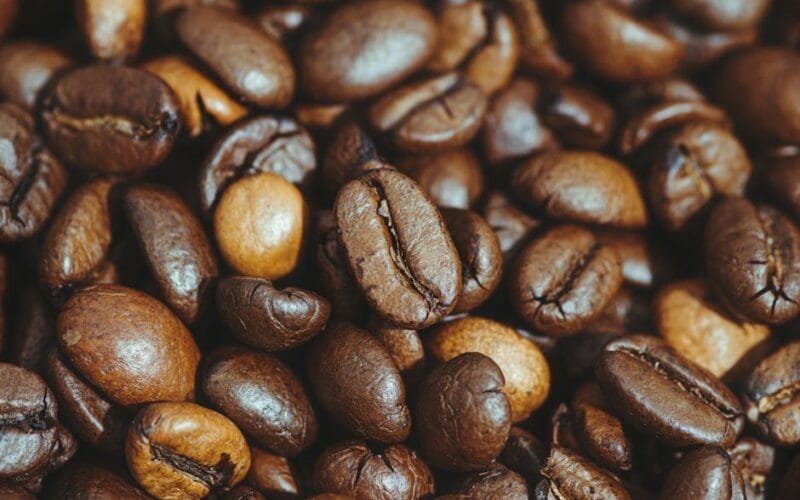
At the heart of it all is the green bean. Sourcing high-quality, defect-free beans is non-negotiable. Even the best roaster can’t fix poor origins or inconsistent batches. Look for beans with clear origin stories, proper storage, and a moisture content that matches your roast profile. Once you’ve got the raw material, the real work begins. Roasting isn’t just about time and temperature—it’s about understanding the bean’s journey. A light roast highlights acidity and brightness, while a dark roast deepens body and bitterness. The key is knowing when to stop. The first crack signals the start of the roast, but the second crack is your cue to pull it out. Timing is everything.
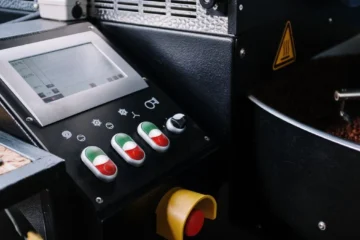
Precision matters. Temperature control is the silent hero of roasting. Too hot, and you risk scorching the beans; too cool, and you’ll end up with underdeveloped flavors. Modern roasters use PID controllers to maintain consistency, but even with tech, human judgment is vital. A skilled roaster listens to the beans—the sounds, smells, and visual cues—as much as they rely on data.
Finally, post-roast care can’t be ignored. Cooling methods, storage conditions, and even the time between roast and brew all impact the final cup. A poorly cooled roast can lead to staleness, while improper storage accelerates oxidation. Treat each batch as a unique experiment, and you’ll start to see patterns in what works and what doesn’t.
Key points: Prioritize quality beans, master the roast curve, and treat each roast as a learning opportunity.
Key points: Prioritize quality beans, master the roast curve, and treat each roast as a learning opportunity.
What’s your biggest challenge when roasting—timing, temperature, or something else? Share your story in the comments.
Questions & Answers
What’s the most important factor in coffee roasting?
High-quality, defect-free green beans are critical. Poor origins or inconsistent batches can’t be fixed by roasting alone.
How does moisture content affect roasting?
Moisture content impacts roast timing and temperature. Beans with improper moisture may under-roast or burn, affecting flavor and aroma.
Information sourced from industry reports and news outlets.