Yet

The Science of Coffee Color: Why Roasters Are Rethinking Their Craft

The Science of Coffee Color: Why Roasters Are Rethinking Their Craft

Consider this your morning briefing: The difference between great and exceptional specialty coffee often hinges on seconds of adjustment during the roasting process. While temperature curves have long guided roasters, coffee color—measured via spectrophotometers or Agtron meters—reveals a more precise snapshot of roast development. Yet this critical metric remains shrouded in ambiguity, with no universal standard to unify the industry. For roasters, the stakes are high: misaligned color readings can mislead customers, distort flavor profiles, and erode trust. Here’s what you need to know. Color analysis is the missing piece in the roasting puzzle. As beans transition from green to…
Read More
The Price of Your Brew: Coffee’s Costly Evolution

The Price of Your Brew: Coffee’s Costly Evolution

Here’s something to stir your curiosity: The price of your morning brew has more than doubled since 1985. A CNBC chart reveals the stark rise in U.S. coffee prices, driven by climate chaos, supply chain upheavals, and tariffs that once spiked costs. While the Trump administration slashed tariffs, Bloomberg warns that green coffee’s high global prices mean steep bills for consumers—well into the future. This isn’t just about your wallet; it’s a barometer of global instability. Coffee’s financial journey mirrors its cultural rise. From a humble commodity to a luxury item, the bean’s value has been shaped by forces beyond…
Read More
The Future of Coffee Roasting: Innovation Over Incremental Gains

The Future of Coffee Roasting: Innovation Over Incremental Gains

Coffee roasting is undergoing a silent revolution—here’s how it’s redefining the craft. For decades, drum roasters have operated on 20th-century engineering principles, their designs unchanged despite rising climate risks, price volatility, and shifting consumer demands. Yet the industry is at a tipping point. As green coffee prices swing and sustainability becomes non-negotiable, roasters and manufacturers are confronting a stark reality: without reimagining roasting technology, the specialty coffee world risks stagnation. The shift began with third-wave coffee’s emphasis on precision. In the late ’90s, roasters demanded consistency, pushing manufacturers to adopt automation and advanced sensors. Today’s machines collect data, replicate roast…
Read More
Supermarket Coffee Is Evolving—But Can It Keep Up?

Supermarket Coffee Is Evolving—But Can It Keep Up?

This is worth savoring: Supermarket coffee aisles are no longer just dark roasts and instant brews. In North America, Western Europe, and Australia, grocery stores are quietly reshaping their coffee sections, stocking specialty-grade whole beans, cold brew concentrates, and even matcha powders. Yet, for all the progress, the market remains a double-edged sword—offering growth but demanding precision. The shift began with a simple truth: consumers want more. Once dominated by low-quality, mass-produced blends, supermarkets now cater to a growing appetite for quality, sustainability, and diversity. Brands like Stumptown and Blue Bottle now share shelves with Whole Foods and New Seasons,…
Read More
Spain’s Specialty Coffee Slow Bloom: A Quiet Revolution in Flavor and Culture

Spain’s Specialty Coffee Slow Bloom: A Quiet Revolution in Flavor and Culture

Spain’s coffee culture is finally catching up to its European neighbors. For centuries, dark, sugary “torrefacto” coffee defined the nation’s taste, but a quiet revolution is underway. Specialty coffee—once an afterthought—is now reshaping Spain’s café scene, driven by curiosity, quality, and a growing appetite for terroir-driven brews. The shift isn’t just about flavor; it’s about redefining what coffee means in a country where tradition and innovation now collide. The roots of Spain’s coffee obsession trace back to 1765, when Madrid’s first café opened. But for much of the 20th century, mass-produced, sugary torrefacto dominated. This method—adding sugar during roasting to…
Read More
The Dark Roast Dilemma: When Your Brew Feels Like a Mystery

The Dark Roast Dilemma: When Your Brew Feels Like a Mystery

You’re grinding dark roast, brewing with a French press, and calling it a day—but what if your ritual is hiding a deeper mystery? The Reddit user’s confession—of mistaking personal preference for expertise—mirrors a broader tension in the coffee world: the gap between tradition and trend. Dark roast, once a symbol of simplicity, now faces scrutiny from a culture obsessed with single-origin purity and pour-over precision. Yet, the user’s method—hand-ground, boiled water, a dollop of honey—suggests a refined process that’s been dismissed as “ignorant.” Is the problem the brew itself, or the expectations we project onto it? The French press, with…
Read More
Spain’s Coffee Awakening: How Late Bloomers Are Shaping the Specialty Scene

Spain’s Coffee Awakening: How Late Bloomers Are Shaping the Specialty Scene

Consider this your morning briefing: Spain’s coffee world is finally catching up to its European neighbors. After decades of dark, sugary “torrefacto” dominance, the Iberian Peninsula is now a hotbed of specialty coffee innovation. With 2,215 branded coffee shops and 3% annual growth, Spain has leapfrogged Poland to rank seventh in Europe. Yet its journey to specialty isn’t about speed—it’s about redefining what coffee means. The country’s coffee history is a tale of two eras. Torrefacto—dark, bitter, and sweetened during roasting—has long been Spain’s default. But as World Coffee Portal data shows, 75% of consumers now crave premium options that…
Read More
Blind Burrs vs. Regular: Why the Difference Matters for Your Cup

Blind Burrs vs. Regular: Why the Difference Matters for Your Cup

Here’s what you need to know: Blind burrs are reshaping the grinder game, but their rise isn’t just about hype. These burrs—designed without screw holes on the cutting surface—offer measurable advantages, from cleaner grinds to sharper extraction. Yet their scarcity in the market raises questions about cost, complexity, and whether they’re worth the upgrade. Blind burrs work by eliminating screw holes entirely, securing the burr via alignment pins, magnets, or rear-mounted screws. This design tweak increases cutting surface area by up to 8% in some models, reducing retention and improving efficiency. “The holes in regular burrs trap coffee, creating uneven…
Read More
Gen Z is rewriting coffee culture—here’s how brands can keep both generations happy

Gen Z is rewriting coffee culture—here’s how brands can keep both generations happy

Time to spill: Gen Z isn’t just changing how we sip coffee—they’re redefining what coffee is. With $360 billion in disposable income, this generation is driving demand for functional ingredients, convenience, and hyper-customization. Yet, their love for sweetened lattes and matcha-infused drinks clashes with the purist ethos of specialty coffee. Brands risk alienating loyal customers who still crave simple black brews. The question isn’t whether to adapt—it’s how to balance innovation with tradition without losing the soul of the craft. Gen Z’s shift toward “treat-like” coffee is reshaping the industry. A National Coffee Association report reveals 65% of Gen Z…
Read More
Wine Labels: Art, Marketing, or Misdirection?

Wine Labels: Art, Marketing, or Misdirection?

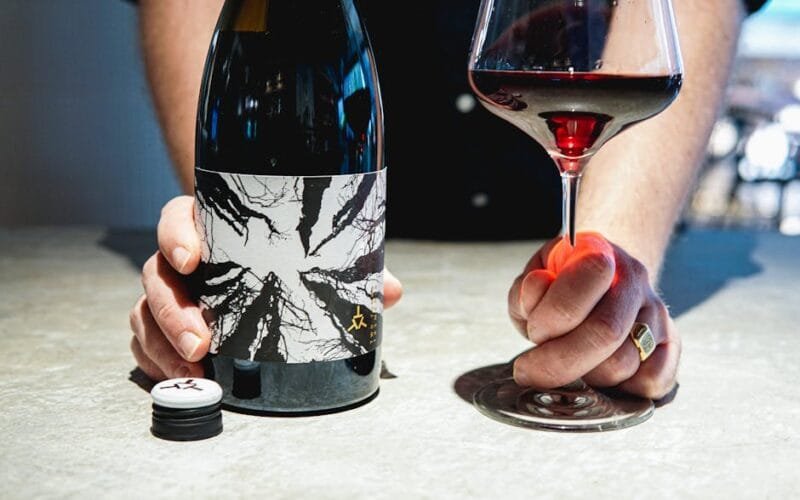
Wine labels are the first thing you notice—before the pour, before the first sip. They’re the silent ambassadors of a bottle’s story, promising everything from terroir to taste, all in a few seconds. Yet, as the industry grapples with identity and appeal, the question lingers: do these tiny canvases hold more weight than the wine inside? For producers, labels are both a necessity and a gamble. Legacy estates rely on names like Château Margaux to command respect, but newer vintners without such pedigree must craft something more. “Labels are storytelling tools, but they shouldn’t overshadow the wine’s quality,” says Holly…
Read More