California

Behind the Scenes: How Typhoon Coffee Roasters Turn Prague into a Coffee Tech Lab

Behind the Scenes: How Typhoon Coffee Roasters Turn Prague into a Coffee Tech Lab

Get ready to sip on this: Typhoon Coffee Roasters isn’t just brewing coffee in Prague—it’s engineering the future of coffee roasting. What starts as a sleek café in the heart of the city becomes a hidden lab for innovation, where electric roasters hum behind glass windows and machines are built to scale. For customers, it’s a chance to witness coffee’s transformation in real time. For the brand, it’s a blueprint for blending hospitality with high-tech precision. The café itself is a masterclass in understated ambition. Designed to feel like a modern oasis, it’s packed with seating and curated details that…
Read More
The Cuptimo Coffee Brewer: Single-Cup Brewing Redefined

The Cuptimo Coffee Brewer: Single-Cup Brewing Redefined

If you’ve ever dreamed of brewing the perfect cup without the hassle of grinders, filters, or messy setups, meet the Cuptimo coffee brewer. This single-cup device uses a squeeze-pump mechanism to extract rich, clean coffee in seconds—no paper filters, no prepping, just pure simplicity. It’s a bold departure from traditional methods, and its performance is nothing short of impressive. The Cuptimo’s genius lies in its physics-driven design. By pressing the pump, you force hot water through ground coffee packed into a filter disc, extracting flavor without diluting it. Unlike drip brewers, which rely on gravity, the Cuptimo’s pressure system ensures…
Read More
Oregon’s Pinot Noir: The Delicate Diva That’s Rewriting the Rules

Oregon’s Pinot Noir: The Delicate Diva That’s Rewriting the Rules

Pinot Noir isn’t just a wine—it’s a mood. Fickle, fragile, and fiercely expressive, it’s the kind of grape that demands respect and rewards patience. Yet here’s the thing: it’s also the reason wine lovers keep coming back. The Tasting Challenge, a weekly deep dive into 34 wines from 12 countries, proves that Pinot Noir’s complexity isn’t just for experts. It’s a conversation between soil, weather, and human hands—a dialogue that unfolds in every sip. Oregon’s Pinot Noir is the latest chapter in that story. Unlike California’s bold fruit bombs or Burgundy’s storied traditions, Oregon’s version is all about nuance. The…
Read More
Primitivo vs. Zin: The Grape That Changed Its Name

Primitivo vs. Zin: The Grape That Changed Its Name

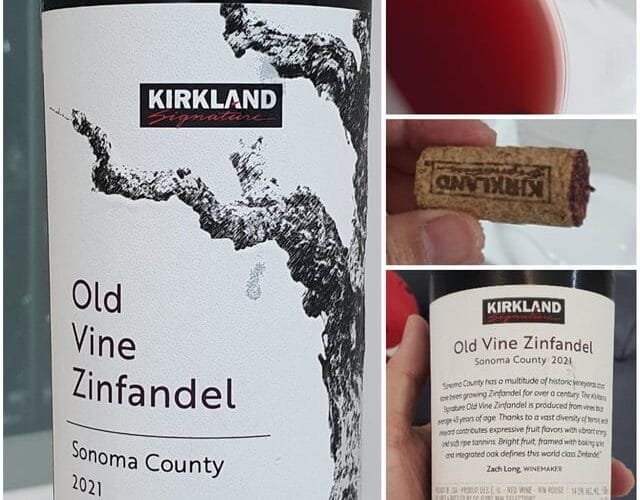
Consider this your morning briefing: Italian Primitivo and California Zinfandel are two faces of the same grape—yet their identities have diverged wildly. The same Tribidrag that once thrived in Croatia now lives as Primitivo in Puglia and Zinfandel in the U.S. What does that mean for your glass? The answer lies in terroir, climate, and the art of naming. Primitivo’s reputation as a bold, dark-fruited red is well-earned. From Puglia’s Salento subregion, this wine delivers ripe blackberry, brown sugar, and baking spices wrapped in velvety tannins. Coastal winds here temper the heat, slowing grape ripening and dialing back alcohol levels—a…
Read More
Champagne Decoded: Sweetness, Grapes, and the Art of Sabering

Champagne Decoded: Sweetness, Grapes, and the Art of Sabering

If you’ve ever wondered why your Champagne tastes like a citrusy pastry or why some bottles cost a fortune, you’re not alone. Champagne’s reputation as a luxury drink is matched only by its complexity—and confusion. From sweetness levels to grape blends, this sparkling wine is a puzzle worth solving. Let’s cut through the fluff and get to the real story. Champagne’s sweetness isn’t just about sugar; it’s a precise scale. Brut means bone-dry, while Demi-Sec leans sweet, but the numbers matter. A Brut Nature has less than 6 grams of sugar per liter, while Doux can hit 120+ grams. The…
Read More
California’s Roussanne Revolution

California’s Roussanne Revolution

If you’ve ever wondered how a grape can reinvent itself across continents, look no further than Roussanne. This white varietal, once overshadowed by its French counterparts, is now rewriting the script in California’s sun-drenched valleys. The verdict? A bold, terroir-driven shift that’s turning skeptics into fans. Roussanne has always been a wildcard. In France, it’s a blending grape—often tucked into Rhône blends with Marsanne or Viognier—its presence subtle, its challenges steep. Fungus and mold thrive where it grows, making it a reluctant star. But in California’s Central Coast, where warmth and oak aging meet, it’s breaking free. The Ballard Canyon…
Read More
Private-Label Coffee in the Netherlands: What You Need to Know

Private-Label Coffee in the Netherlands: What You Need to Know

Here’s something to stir your curiosity: the Netherlands’ coffee scene is a blend of tradition and innovation, but private-label specialty coffee here isn’t just about branding—it’s about trust, logistics, and navigating a market that values transparency. If you’re eyeing private-label beans, you’re not just selling coffee; you’re entering a niche where sourcing, legality, and reputation matter more than the beans themselves. The Dutch market isn’t short on roasters, but finding ones that offer private-label options requires digging. Established names like Mowbray Coffee or nearby EU roasters (e.g., Belgium’s Caffè Giacomo) often have white-label programs, though they’re typically geared toward larger…
Read More
Beko CafeExperto CEP 5303 B: A Budget Espresso Machine Worth Considering

Beko CafeExperto CEP 5303 B: A Budget Espresso Machine Worth Considering

If you're chasing a decent espresso without breaking the bank, the Beko CafeExperto CEP 5303 B might be your hidden gem. Priced around 120 euros in North Macedonia—where import taxes inflate costs—this machine offers a rare balance of affordability and performance. For someone grinding 3-4 shots daily, it’s a tempting option, but the lack of online reviews makes it hard to gauge its true value. Let’s cut through the noise. The CEP 5303 B boasts a 15-bar pump, a critical spec for extracting rich, balanced shots. That’s not just marketing fluff—it’s the foundation of a good espresso. Users report consistent…
Read More
The Filter-Only Coffee Cart: Can It Beat the Competition?

The Filter-Only Coffee Cart: Can It Beat the Competition?

If you’ve ever wondered why filter coffee carts are rare in high-traffic zones, you’re not alone. The idea of a cart selling just black or white coffee—no frills, no froth—sounds basic, even boring. But here’s the twist: this simplicity might be the secret to cutting through the noise of espresso-heavy markets. The math is clear: filter coffee is cheaper to make than espresso-based drinks, which rely on complex machinery, trained baristas, and premium beans. Yet, the question remains: can a filter-only cart survive in a world where coffee is often a performance? The appeal lies in affordability and speed. Imagine…
Read More
Why Your Coffee Smells Mild—and How to Fix It

Why Your Coffee Smells Mild—and How to Fix It

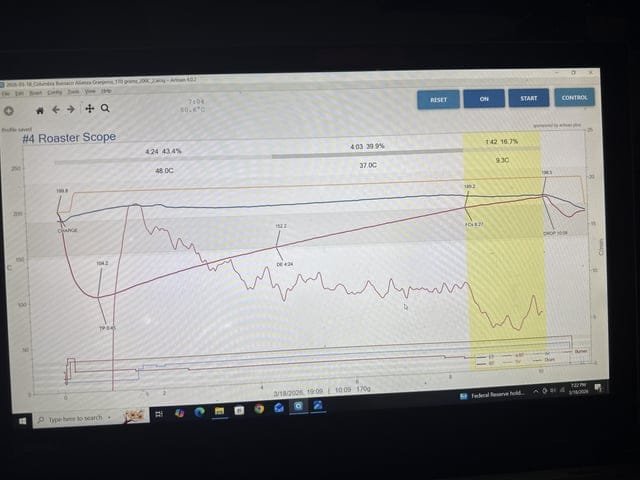
This might just change your routine: Your coffee smells mild, but the flavor is fine—until you compare it to a café’s rich, aromatic roast. The question isn’t just about aroma; it’s about how your roast develops, how heat interacts with beans, and why the scent often betrays the taste. If you’re roasting with an extension tube, you’re already in a nuanced dance between control and compromise. The Frest Roast SR800’s setup is precise, but the scent’s lack of intensity suggests a deeper conversation between temperature, time, and bean expression. Take the Ethiopia Misty Valley Drop F9/P3 example: You’re roasting in…
Read More