But

Guar Gum Decoded: The Creamy Secret in Your Plant-Based Milk

Guar Gum Decoded: The Creamy Secret in Your Plant-Based Milk

Pour yourself a cup for this one: guar gum isn’t just a random ingredient in your oat or almond milk—it’s a silent hero in the fight for that velvety texture. But its role has sparked debates, from health concerns to ethical questions. Let’s cut through the noise. Guar gum, derived from the guar bean (a legume native to India), is a natural thickener, binder, and stabilizer. It’s gluten-free, vegan, and packed with soluble fiber. Studies suggest it may aid digestion, lower blood sugar, and even support heart health by reducing cholesterol. Yet its reputation is mixed. The FDA’s past bans…

Read More
Specialty Coffee Shops Face Tough Choice: Keep Surcharges or Lose Customers?

Specialty Coffee Shops Face Tough Choice: Keep Surcharges or Lose Customers?

The coffee world is shifting. Major chains are ditching plant milk surcharges, but independent shops face a tricky balancing act between cost and customer demand. As oat, almond, and soy milks become menu staples, the pressure to eliminate fees grows—yet for small cafes, the financial hit could be devastating. The question isn’t just about pricing; it’s about survival in a market where consumers expect non-dairy options without paying a premium. The math is clear: plant milks cost 55% more than dairy in the UK, with oat milk leading the charge. Chains like Starbucks and Pret A Manger have dropped surcharges,…
Read More
Matcha’s Rise: From Celeb Obsession to Science-Backed Wellness Powerhouse

Matcha’s Rise: From Celeb Obsession to Science-Backed Wellness Powerhouse

Here’s what you need to know: Matcha’s surge from cult favorite to mainstream marvel isn’t just about Instagram aesthetics—it’s a health revolution in disguise. Once a rare luxury in Japanese tea ceremonies, this vibrant green powder has stormed into cafes, wellness routines, and celebrity circles, thanks to a blend of cult status and science-backed benefits. But what makes this powdered tea tick? Matcha’s secret lies in its unique cultivation. Unlike regular green tea, which is steeped and discarded, matcha is made by grinding whole shade-grown Camellia sinensis leaves into a fine powder. This process locks in nutrients like antioxidants and…
Read More
Green Tea and Blood Pressure: What You Need to Know

Green Tea and Blood Pressure: What You Need to Know

Let’s talk about green tea—because the science behind its impact on blood pressure is more nuanced than you might think. This ancient beverage, steeped in antioxidants and caffeine, isn’t just a wellness trend; it’s a potential ally for heart health. But here’s the kicker: while research suggests green tea may help lower blood pressure, moderation is key. The compounds in green tea, like catechins, are linked to relaxing blood vessels and reducing oxidative stress—both factors tied to hypertension. Yet, the same compounds can also interfere with iron absorption or trigger caffeine-related side effects if overdone. The evidence isn’t all sunshine…
Read More
Is Matcha Sabotaging Your Iron? The Science Behind the Buzz

Is Matcha Sabotaging Your Iron? The Science Behind the Buzz

This is worth savoring: A growing chorus of TikTok users is blaming matcha for iron deficiencies, citing symptoms like fatigue, brittle nails, and easy bruising. But is the green tea powder really the villain? Or are these stories oversimplifying a complex interplay of diet, biology, and individual variation? The answer lies in understanding how matcha interacts with iron—and why moderation matters. Matcha, derived from Camellia sinensis, is packed with polyphenols and phytic acid, compounds celebrated for their antioxidant properties. Yet these same components can bind to iron, reducing its absorption. Studies show that heavy green tea consumption—three or more cups…
Read More
France’s Coffee Scene Is Undergoing a Quiet Revolution

France’s Coffee Scene Is Undergoing a Quiet Revolution

France’s coffee scene is undergoing a quiet revolution. For centuries, cafés have been the heartbeat of French life—places where conversations linger, newspapers are read, and the ritual of coffee is as important as the drink itself. But today, a new wave of specialty coffee is creeping into this tradition, redefining what it means to sip a cup in Paris or Lyon. While classic bistros still dominate, the rise of minimalist cafés, Nordic-inspired brews, and a growing appetite for quality are reshaping the landscape. This shift isn’t just about better beans—it’s about reimagining how coffee fits into French culture. The transformation…
Read More
Modding Your Rancilio Silvia: Where to Place That Pressure Gauge

Modding Your Rancilio Silvia: Where to Place That Pressure Gauge

Real talk: If you're modding your Rancilio Silvia, the placement of your pressure gauge isn’t just a tweak—it’s a decision that shapes how you understand your machine’s performance. The debate over T-connector positions has sparked endless threads, but the truth is simpler than the arguments suggest. Position 1 measures pump pressure, which is inherently less useful for brewing, while position 2 captures brew pressure—the actual metric that matters. Position 3, meanwhile, is a nightmare of engineering, requiring custom fittings that most homebrewers can skip. If you’re not chasing a pressure dimmer, simplicity wins. The portafiler screw-mounted gauge is the unsung…
Read More
The Bitter Truth: When Tradition Outshines Craft

The Bitter Truth: When Tradition Outshines Craft

If you’ve ever wondered why your favorite brews feel so... perfect, you’re not alone. The beer world’s obsession with microbrews often masks a simple truth: lagers, the backbone of mass-produced beer, are harder to master than any craft style. Major breweries like Budweiser and Heineken didn’t just stumble into success—they spent decades refining recipes, hiring scientists to dial in consistency. Their lagers are engineered for reliability, not experimentation. Meanwhile, microbreweries, for all their hype, often lack the infrastructure to replicate that precision. So when you’re handed a lager, you’re getting a product that’s been tested, tweaked, and perfected. The same…
Read More
Tawny Port: The Aging Art of Sweet, Smoky, and Sophisticated Wine

Tawny Port: The Aging Art of Sweet, Smoky, and Sophisticated Wine

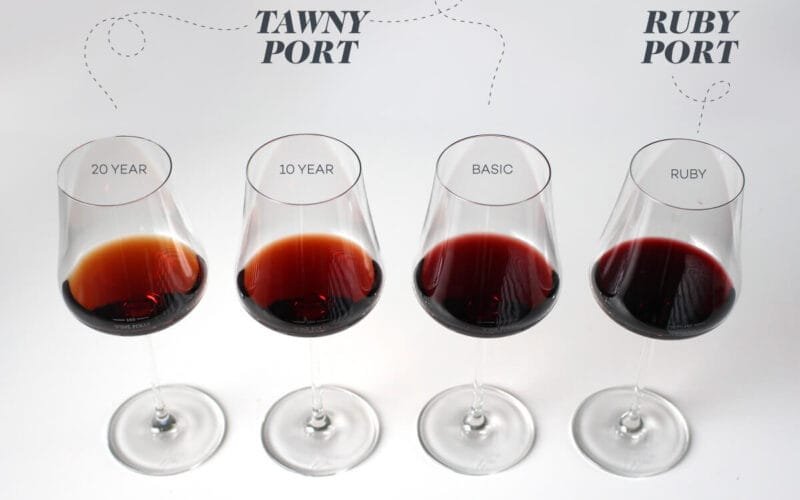
Tawny Port isn’t just a wine—it’s a story written in casks, aged over decades, and bottled with purpose. Unlike Ruby Port, which clings to its youthful fruit, Tawny is a masterclass in oxidation, aging in smaller barrels that coax out complexity. Think of it as the whisky of the Port world: bold, smoky, and layered with time. But here’s the twist: the longer it sits, the more it transforms, from a delicate whisper of dried cherry to a deep, velvety symphony of caramel and leather. The magic lies in the wood. Tawny spends years in small oak barrels, where oxygen…
Read More
Opening a 40-Year-Old Bottle Isn’t Just About Patience—It’s a High-Stakes Gamble

Opening a 40-Year-Old Bottle Isn’t Just About Patience—It’s a High-Stakes Gamble

Opening a 40-year-old bottle isn’t just about patience—it’s a high-stakes gamble. The fragile cork, saturated with wine and time, demands a tool sharper than your average opener. A standard corkscrew? It’s a recipe for disaster. Professionals swear by the Ah-So or Coravin, devices designed to slice through decades of decay without spilling precious liquid. But even with the right gear, the real test begins inside the bottle. Wine doesn’t just age—it evaporates. In dry climates, the cork becomes a sieve, leaching moisture and leaving bottles at “low shoulder” or worse. The worst-case scenario? A bottle filled to the neck (high…
Read More