But

The Libra vs. AGS Grinders: Decoding Flavor Differences

The Libra vs. AGS Grinders: Decoding Flavor Differences

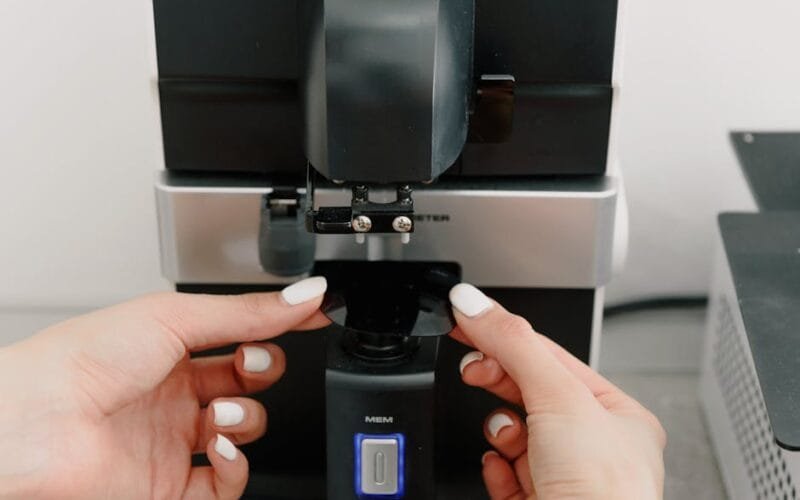
Consider this your morning briefing: When it comes to espresso, the grinder you choose isn’t just about grind size—it’s about how the beans breathe. The Eureka Libra and All Ground Sense (AGS) are two legends in this space, but their philosophies diverge like coffee and tea in a café. The Libra, with its conical burrs, is a traditionalist’s tool, while the AGS, with its flat burrs, leans into precision. But how do these differences translate to flavor? The Libra’s reputation hinges on its ability to coax out depth and richness. Conical burrs create a more uneven grind, which means slower…
Read More
The Mushroom Coffee Revolution: A Brew for Brainpower and Beyond

The Mushroom Coffee Revolution: A Brew for Brainpower and Beyond

If you've ever wondered what coffee tastes like after a trip to the forest floor, you’re not alone. Mushroom coffee—blended with adaptogens like Lion’s Mane, Reishi, and Cordyceps—isn’t just a wellness trend; it’s a caffeine alternative with a growing cult following. For some, it’s about swapping out the jitters for a more balanced energy boost. For others, it’s about unlocking cognitive clarity without the crash. But with so many options, how do you know which ones deliver on the promise? The best mushroom coffees strike a balance between familiar coffee notes and subtle fungal undertones. Brands like Shroomi and Atlas+…
Read More
Beyond the Puer: Exploring Global Fermented Teas

Beyond the Puer: Exploring Global Fermented Teas

If you’ve ever sipped a pu'er or heicha, you’ve tasted the magic of fermented tea. But what if you’re craving something outside China’s fermented tea canon? The answer lies in Japan’s kuzuyu, Korea’s jeotgal, and even India’s rare, wild-fermented blends. These teas aren’t just variations of the same formula—they’re distinct ecosystems of flavor, shaped by climate, culture, and centuries-old techniques. Japanese fermented teas, like kuzuyu (a sweet, umami-rich brew made from fermented rice and tea leaves), offer a stark contrast to the earthy, woody profiles of puers. While puers rely on microbial fermentation over decades, kuzuyu is crafted through a…
Read More
The Puer Tea Newbie’s Burning Questions

The Puer Tea Newbie’s Burning Questions

Time to spill: You’re not alone if you’re sipping puer and wondering how long a session can stretch. That first brew is a revelation—rich, earthy, and oddly soothing—but the second, third, or even fourth? It’s a dance between patience and practicality. The rule of thumb? Stick to a 30-minute window between infusions. Beyond that, the tea loses its clarity, and the flavor becomes muddled. But here’s the catch: if you’re sipping over an hour or two, you’re already in the sweet spot. Just don’t let the clock dictate your pace. If you’re working, split the session into chunks—maybe a few…
Read More
The Red Wine Iceberg: A US Market Deep Dive

The Red Wine Iceberg: A US Market Deep Dive

Get ready to sip on this: the red wine iceberg is here, and it’s not as simple as it looks. Last time, we broke down white wine into layers of accessibility and intrigue—now we’re diving into the darker, more complex world of reds. This isn’t just a gimmick; it’s a framework to cut through the noise of the US market, where mainstream labels dominate but hidden gems lurk beneath. The iceberg’s upper layers are your everyday bottles—Cabernet Sauvignon, Merlot, Pinot Noir—all widely available and easy to find. But the real story lies below, where wines like Nebbiolo, Syrah, and Tempranillo…
Read More
Gene Cafe 101 vs. Fresh Roast SR500: Is the Upgrade Worth It?

Gene Cafe 101 vs. Fresh Roast SR500: Is the Upgrade Worth It?

When a trusted roaster reaches its limit, the decision to replace it becomes a balancing act between nostalgia and progress. Your SR500 has served reliably for a decade, but its end-of-first-crack focus and occasional haze issues signal it’s time to rethink. The Gene Cafe 101 feels like a logical next step—cheaper, more flexible, and built for indoor use with ducting. But can it match the SR500’s roast consistency for light to medium profiles? The SR500’s appeal lies in its simplicity and predictable performance, though its smoke haze can be a hassle. The Gene Cafe 101, meanwhile, offers modular design and…
Read More
The Matcha Powder Brands That Deliver (And Those That Don’t)

The Matcha Powder Brands That Deliver (And Those That Don’t)

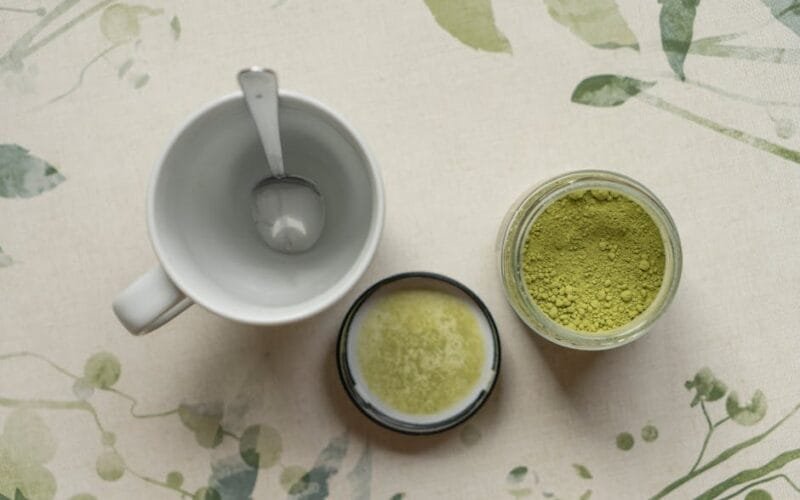
If you’ve ever wondered why matcha feels like a revelation compared to coffee, it’s not just the caffeine—it’s the complexity. This powdered green tea, steeped in centuries of Japanese tradition, has surged in popularity as a smoother, more balanced alternative to espresso. But not all matcha powders are created equal. After tasting six store-bought options, here’s what we learned: quality matters, preparation matters, and some brands are better suited for specific uses than others. The worst matcha we tried was MatchAiA USDA-Certified Organic Matcha. It tasted watery, sharp, and overly bitter, with no umami depth to soften its edges. Even…
Read More
The Enigma of Pu’erh: Why It’s More Than Just Tea

The Enigma of Pu’erh: Why It’s More Than Just Tea

Real talk: Sometimes the best moments are the ones that make you rethink your entire tea routine. Last afternoon, I cracked open a 2004 raw Pu'erh from Bu Sang, a brick dense with microbial whispers and aged complexity. It’s the kind of tea that demands patience—both in its cultivation and in its enjoyment. But here’s the catch: after six weeks of quick coffee sips (thanks to a spine injury that’s turned quiet moments into a battleground), this Pu'erh felt like a revelation. Yet, not everyone shares my obsession. The genre’s reputation for bitterness and earthy grit often overshadows its potential.…
Read More
The Honeyed Delight of Oriental Beauty Oolong

The Honeyed Delight of Oriental Beauty Oolong

Pour yourself a cup for this one: Oriental Beauty oolong isn’t just a tea—it’s a symphony of flavors that turns honey into art. This rare oolong, known as Dongfang Meiren, delivers a sweetness so refined it feels like a whisper of ripe stone fruit, with a hint of spiced cinnamon lingering like a secret. Brew it at 90°C for 2 minutes, and you’ll unlock a complexity that’s equal parts delicate and bold. But here’s the kicker: its flavor isn’t accidental. The leaves are kissed by a specific insect, Jacobiasca formosana, during processing—a biological quirk that transforms the tea into a…
Read More
The Budget Espresso Machine Dilemma: Chinese Made or Not?

The Budget Espresso Machine Dilemma: Chinese Made or Not?

Coffee lovers, wine enthusiasts, tea devotees—here’s the burning question: Is a budget Chinese espresso machine worth the gamble? For those craving a real espresso experience without breaking the bank, these machines offer a tempting shortcut. But can they deliver the precision, consistency, and durability you expect from a premium machine? The answer isn’t black and white, but the data is clear: some models excel, while others fall short of the mark. The allure of Chinese espresso machines lies in their affordability. Prices often hover around $100–$200, a fraction of what Western brands charge. Yet, this low price tag comes with…
Read More