Agroforestry

When Natural Coffee Feels Like Washed: A Roaster’s Dilemma

When Natural Coffee Feels Like Washed: A Roaster’s Dilemma

Here’s something to stir your curiosity: You’ve just received a 30kg bag labeled as natural, but it tastes like a washed bean. The producer claims it was sun-dried with thick layers on raised beds, yet the aroma and flavor scream citrus, honey, and floral notes—nothing like the “classic” chocolate or caramel you’d expect. This isn’t just a mismatch; it’s a puzzle. The confusion stems from the blurred lines between natural and washed processing. Natural beans, fermented on the skin, often carry earthy, jammy, or tart characteristics. Washed beans, stripped of mucilage, tend to be cleaner, brighter, and more acidic. But…
Read More
Matcha’s Quiet Power: How This Green Tea Could Transform Your Health

Matcha’s Quiet Power: How This Green Tea Could Transform Your Health

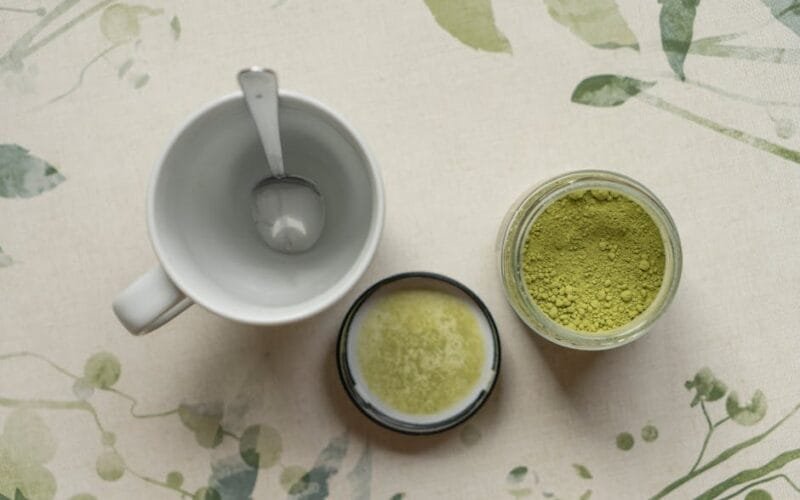
There's something brewing in the world of wellness that’s quietly reshaping how we think about nutrition. Matcha, the powdered form of green tea, isn’t just a trendy latte ingredient—it’s a powerhouse of antioxidants, brain-boosting compounds, and metabolic perks that could redefine your health routine. From cognitive protection to heart health, its benefits are backed by science, yet most people still overlook its potential. Here’s what you need to know. Matcha’s antioxidant profile is unmatched. Studies show its polyphenols, particularly EGCG, may shield cells from oxidative stress, reduce inflammation, and even slow aging. One 2022 review linked regular green tea consumption…
Read More
The Creamy Tea Hunt

The Creamy Tea Hunt

This is worth savoring: A Milk Oolong that defied expectations. The tea swap encounter left me with a ziploc bag of mystery, a faint floral whisper, and a lingering question—where are the creamy notes? If you’ve ever wondered why some teas taste like silk drizzled with caramel, you’re not alone. The pursuit of a naturally milky flavor in Camellia sinensis is a niche obsession, but one that reveals fascinating truths about tea chemistry and terroir. Creamy textures in tea often stem from specific processing techniques or regional microclimates. For example, certain white teas, like Silver Needle from Fujian, develop a…
Read More
How to Calculate Shelf Life for Cold Brew Without Pasteurization

How to Calculate Shelf Life for Cold Brew Without Pasteurization

Here’s what you need to know: Cold brew’s shelf life isn’t just about time—it’s a science of safety and sensory clarity. For small-batch cold brew, refrigeration is your best ally, but without pasteurization, you’re balancing risk and reward. The goal? To nail a “best by” date that keeps your product safe, flavorful, and compliant until you scale up. Start by understanding the variables: temperature, ingredients, and packaging all play roles. Refrigeration slows microbial growth, but it doesn’t stop it entirely. Cold brew’s low acidity and high caffeine content create a unique environment—some bacteria and molds thrive in those conditions. To…
Read More
The Fruit-Forward Roast Dilemma: Unpacking the Aillio Bullet’s Secret Sauce

The Fruit-Forward Roast Dilemma: Unpacking the Aillio Bullet’s Secret Sauce

Time to spill: The Aillio Bullet’s fruit-forward potential is slipping through your fingers—here’s how to catch it. You’re chasing that mango-ferment brightness, but the coffee’s sweetness is drowning the acidity, and the IBTS RoR spike is throwing your profile off. This isn’t a fluke—it’s a clue. The Ugandan mango co-ferment you’re roasting is a delicate beast, and its behavior is screaming for precision. The coffee’s current profile—maple syrup sweetness, a hint of acidity, and a clean finish—hints at a roast that’s too early to unlock its complexity. Light roasts often flirt with brightness, but they’re also prone to underdeveloped notes.…
Read More
Why the Best Espresso Machines Are Getting Smaller (And What That Means for You)

Why the Best Espresso Machines Are Getting Smaller (And What That Means for You)

If you’ve ever wondered why the espresso world is shrinking—literally—this is the conversation you’ve been waiting for. The shift from bulky, industrial-grade machines to compact, precision-focused gear isn’t just a trend; it’s a redefinition of what matters in a café. For operators prioritizing control, consistency, and cost, downsizing isn’t a compromise—it’s a strategic move. The 2014 La Marzocco 4 group AV, while powerful, is overkill for many setups. Now, the focus is on machines that balance exacting temperature control, manageable output, and budget-friendly maintenance. Temperature precision is the holy grail for espresso quality. The ideal extraction window is razor-thin, and…
Read More
The Hidden Power of Paper Filters in Coffee

The Hidden Power of Paper Filters in Coffee

Pour yourself a cup for this one: The paper filter in your coffee setup is more than just a barrier—it’s a silent architect of flavor. Once a simple sieve between grounds and water, these filters now dictate extraction speed, clarity, and the balance of sweetness, acidity, and body. “Advanced paper filters have become one of the most influential physical variables in manual brewing,” says Lakis Psomas, a Swedish Barista & Brewers Cup Champion. “They shape how oils, sugars, and acids pass into the final cup, directly affecting mouthfeel and flavor balance.” The evolution of filters has unlocked a new era…
Read More
Time Capsule Brew: Passenger Coffee Unveils 10-Year-Old Roast

Time Capsule Brew: Passenger Coffee Unveils 10-Year-Old Roast

Here’s something to stir your curiosity: Passenger Coffee is unearthing a 10-year-old harvest, defying time and tradition in the specialty coffee world. The Pennsylvania roaster is releasing a Kenya Kiriani Peaberry from 2016, frozen green coffee since harvest, as a bold experiment in preservation. This isn’t just about nostalgia—it’s a statement on how roasters are redefining freshness, quality, and the economics of coffee. The 2016 harvest, now a decade old, was frozen immediately after processing, locking in its peak condition. Passenger’s approach mirrors wine vintages, but with coffee’s unique challenges. Freezing green coffee—a practice pioneered by brands like George Howell…
Read More
Honest Tea Spots in Chengdu and Yunnan: A Beginner’s Guide to Avoiding Scams

Honest Tea Spots in Chengdu and Yunnan: A Beginner’s Guide to Avoiding Scams

For the tea novice flying to China, the first lesson is this: don’t trust the first shop that offers you a cup of “ancient pu-erh” for 350¥. You’ve already dodged one scam in Beijing, but the real test is finding places where knowledge meets honesty. Chengdu and Yunnan are treasure troves for tea lovers, but navigating their labyrinth of vendors requires sharp eyes and a willingness to ask questions. Here’s how to avoid the hype and find genuine experiences. Chengdu’s Jinli Street is a starting point, but don’t settle for the tourist traps lining its narrow alleys. The Tea House…
Read More
The Gaiwan vs. Yixing Debate: Why Some Are Swapping Teapots for Teacups

The Gaiwan vs. Yixing Debate: Why Some Are Swapping Teapots for Teacups

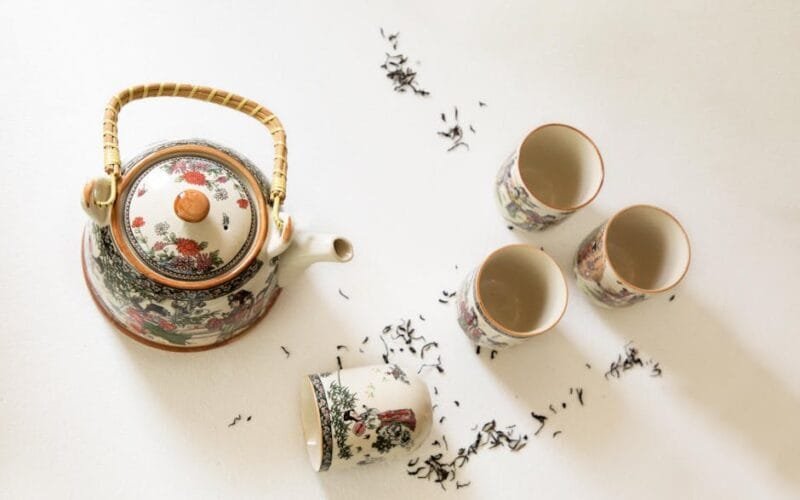
Pour yourself a cup for this one: The age-old battle between gaiwan and yixing teapots isn’t just about aesthetics—it’s a clash of philosophy, practicality, and obsession with the perfect brew. For Puer enthusiasts, the yixing’s reputation as a heat-retaining powerhouse has long been gospel. But as prices climb and low-quality imitations flood the market, a growing number of tea lovers are trading their clay pots for the simplicity of a gaiwan. The question isn’t whether one is better—it’s whether the trade-offs justify the ritual. Yixing teapots are lauded for their ability to “bloom” Puer over time, with porous clay allegedly…
Read More