⏱ 2 min read
The Short Version
Taqueria Ramirez’s heavy-meat specialists have pivoted to the coast, trading roasted meats for high-stakes seafood and global natural wines. From squid-ink salsas to Sinaloa shrimp, El Camarón Peludo delivers a visceral West Village experience where precision prep meets coastal flair.
In This Article
Tania Apolinar and Giovanni Cervantes, the duo behind Taqueria Ramirez’s roasted meats, have pivoted toward the coast. Partnering with chef Carlos Barrera, they opened El Camarón Peludo in the West Village, a space where Mexican seafood meets an international selection of natural wines. The transition from heavy meats to delicate proteins requires a rigorous daily rhythm, beginning with the arrival of fresh shrimp sourced from Sinaloa and Ecuador.
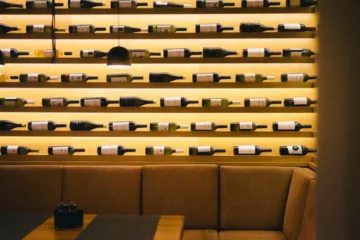
Cervantes explains that his original idea to pair the innovative seafood plates with bubbly wine turned into a natural wine bar.
Precision in the raw bar
The kitchen’s workflow is defined by high-stakes consistency. Giovanni Cervantes manages the salsa production, taste-testing every batch against previous weeks to ensure the profile remains unchanged. This attention to detail extends to the complex sauces that anchor their signature dishes. For the camarones zarandeados—a shrimp variation of a Pacific coast classic traditionally grilled in a wire basket—the team mixes a bright red salsa with mayo to create its essential coating.
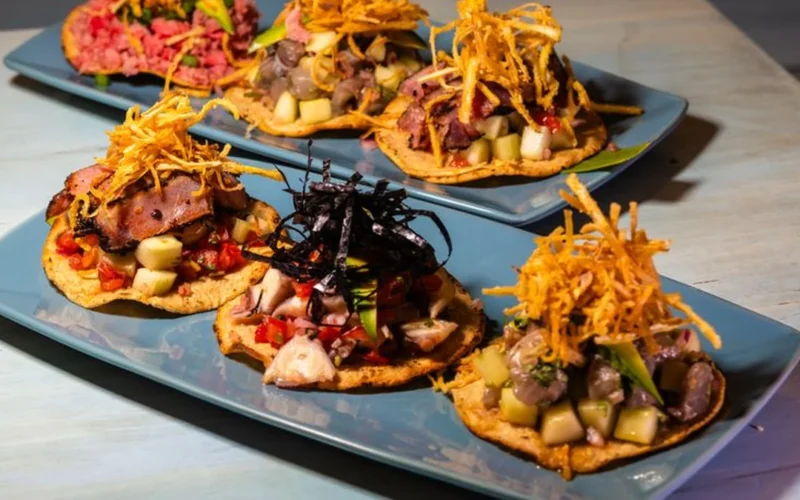
The menu moves between traditional structures and modern compositions. Chef Barrera breaks down Spanish tuna for a creative tostada layered with spicy mayo, fish eggs, habanero-lime oil, avocado, and crispy leeks. Cervantes explains that his original idea to pair the innovative seafood plates with bubbly wine turned into a natural wine bar. This evolution allows the program to source bottles from all over the world to complement the heat and acidity of the food.
Textures of the Mexican coast
Prep work at El Camarón Peludo covers a wide spectrum of textures, from the crunch of a deep-fried pescadilla to the softness of shrimp tacos topped with queso fresco, refried beans, and roasted poblano peppers. The raw bar relies on two distinct house-made salsas: a parsley-based salsa verde and a striking salsa negro made with habaneros, piquin chile, and squid ink. These components provide the necessary brightness to cut through the richness of the seafood.
Upstairs, Apolinar manages the front-of-house transition, chilling wine bottles and displaying fresh seafood on ice in the window. While the service is polished, the experience remains visceral; Apolinar suggests sitting at the long, winding bar to watch the bartenders and chefs work in real time. It is an environment built on culinary transparency, where the labor behind every aguachile is visible to the guest.
Do you prefer pairing spicy seafood with sparkling or still wines?
Questions & Answers
What kind of seafood is served at El Camarón Peludo?
El Camarón Peludo serves a variety of Mexican seafood including fresh shrimp, Spanish tuna, and deep-fried pescadillas. The restaurant sources high-quality shrimp specifically from Sinaloa and Ecuador to maintain freshness for their raw bar and signature dishes. Guests can enjoy complex preparations such as camarones zarandeados, which are shrimp variations of a Pacific coast classic, or creative tuna tostadas layered with spicy mayo, fish eggs, and habanero-lime oil.
How does the restaurant maintain consistency in its salsa production?
The restaurant maintains consistency through a rigorous daily process managed by Giovanni Cervantes, who taste-tests every batch of salsa against previous weeks. This ensures that the flavor profiles remain unchanged over time. This meticulous attention to detail is applied to all complex sauces, including the bright red salsa mixed with mayo used for camarones zarandeados and the house-made parsley-based salsa verde used to provide brightness to the seafood.
Why does El Camarón Peludo offer a natural wine selection?
El Camarón Peludo offers a natural wine selection to complement the specific heat and acidity found in their innovative seafood plates. The idea for the wine program evolved from a concept to pair seafood with bubbly wine into a full natural wine bar. This evolution allows the restaurant to source a diverse range of international bottles that work harmoniously with the spicy and bright flavors of the Mexican coastal cuisine.
What are the different types of house-made salsas available at the raw bar?
The raw bar features two distinct house-made salsas designed to provide necessary brightness to the seafood dishes. One option is a parsley-based salsa verde, while the other is a striking salsa negro. The salsa negro is crafted using a combination of habaneros, piquin chile, and squid ink to create a unique flavor profile. These sauces are essential for cutting through the richness of the various seafood proteins served at the restaurant.
Originally reported by Eater.