⏱ 1 min read
The Short Version
Forget rigid manuals and old-world formalities; the modern wine industry is increasingly driven by organic, lived experiences rather than traditional roadmaps. Alison Smith Story’s unconventional journey proves that personal connections and local networks are now the true architects of the American wine story.
The modern wine industry is defined less by rigid tradition and more by the unexpected ways people find their way into the cellar. For Alison Smith Story, entering the business wasn’t about following a manual; it was an organic process rooted in family and community.
The stories of how people come to wine are just as exciting as they were in the past — just different.
A shift in industry storytelling
In a recent episode of “Wine 101,” host Keith Beavers sat down with Alison Smith Story to discuss her transition into the business. The conversation highlights how contemporary winemaking is moving away from old-world formalities toward a model driven by personal connection. Rather than following a prescribed career path, Smith Story’s experience reflects a growing trend of professionals joining the sector through lived experiences.
The stories of how people come to wine are just as exciting as they were in the past — just different. This shift suggests that today’s wine culture thrives on human stories and the strength of local networks.
Navigating the casual landscape
Smith Story’s discussion explores the reality of falling into the wine trade without a traditional roadmap. Her journey prioritizes building industry relationships over adhering to legacy structures, proving that these individual trajectories are now essential pieces of the American wine story.
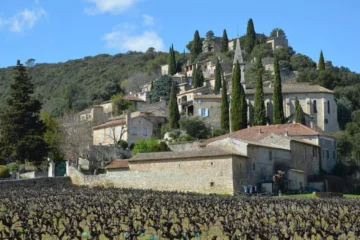
For those looking to explore diverse profiles alongside these evolving narratives, regions like Alsace offer a masterclass in character. Tucked between the Vosges Mountains and the Rhine River, Alsace is defined by its remarkable diversity of soils and some of France’s most certifiably organic vineyards. From aromatic Riesling and Pinot Gris to acclaimed Crémant d’Alsace sparkling wine and lively Pinot Noir, the region produces wines as expressive as the land itself.
Do you think unconventional career paths bring more or less credibility to a winemaker?
Questions & Answers
How did Alison Smith Story enter the winemaking industry?
Alison Smith Story entered the winemaking business through an organic process rooted in family and community rather than following a traditional manual. Her journey reflects a growing trend where professionals join the sector through lived experiences instead of prescribed career paths. By prioritizing personal connections and building industry relationships over adhering to rigid legacy structures, she demonstrates how unconventional trajectories are becoming essential components of the modern American wine story.
What defines the modern shift in wine industry storytelling?
The modern wine industry is shifting away from old-world formalities toward a model driven by personal connection and human stories. Contemporary winemaking culture now thrives on the strength of local networks and the unique ways individuals find their way into the cellar. This evolution suggests that the narratives behind how people enter the trade are becoming just as important as the wines themselves, moving the focus from rigid tradition to authentic lived experiences.
Why is the Alsace region known for its diverse wine production?
The Alsace region is known for its remarkable diversity of soils and its many certifiably organic vineyards located between the Vosges Mountains and the Rhine River. This unique geography allows the region to produce a wide variety of expressive wines that reflect the character of the land. Notable examples of the region's output include aromatic Riesling, Pinot Gris, lively Pinot Noir, and the acclaimed Crémant d’Alsace sparkling wine.
How does contemporary winemaking differ from traditional old-world models?
Contemporary winemaking differs from traditional models by prioritizing personal connections and individual trajectories over rigid, old-world formalities. Instead of following a strict roadmap or legacy structures, modern professionals often enter the industry through organic processes and local community networks. This shift allows for more diverse profiles in the cellar, where the human stories and lived experiences of the makers become a central part of the evolving wine culture.
Originally reported by VinePair.