⏱ 1 min read
The Short Version
Forget simple steeping; tea culture is entering an era of radical transformation, from forcing mint through anaerobic GABA-style processing to debating the soul of handmade ceramics. It’s a high-stakes tug-of-war between industrial automation and the beautiful eccentricity of artisanal craft.
This is worth savoring: the tension between industrial efficiency and the beautiful eccentricity of artisanal craft. The latest community discussions reveal a landscape where traditional boundaries are being aggressively pushed. From experimental fermentation methods to the quiet elegance of handmade ceramics, the conversation is moving far beyond simple steeping toward a deeper obsession with transformation.
I refused to let mint become a tisane and forced it into anaerobic GABA-style processing.
Breaking the Mold of Tradition
The most striking developments involve practitioners refusing to accept standard definitions for their ingredients. One standout contribution involved an experimenter who refused to let mint remain a mere tisane, instead forcing it through anaerobic GABA-style processing. It is this refusal to follow the script that keeps tea culture evolving. Similarly, the rise of Jin Jun Mei marks a sophisticated evolution in Lapsang Souchong black teas, proving that even established categories can find new life through meticulous technique. I refused to let mint become a tisane and forced it into anaerobic GABA-style processing. Such bold moves challenge our understanding of how flavor profiles are actually built.
The Intersection of Gear and Origin
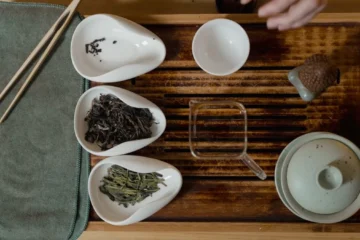
While some focus on the liquid, others are finding soul in the vessels and the tools used to extract flavor. We see a heavy emphasis on the tactile experience, from highly praised reviews of Mei Leaf’s Pear Cloud to the appreciation of custom Yixing persimmon teapots. However, there is also a growing concern regarding the “machine” effect—the fear that modern production might be making all Chinese green teas look suspiciously similar. This creates a vital pushback among enthusiasts to seek out hand-processed leaves and specific terroir, such as high-altitude teas or single-estate Assam, to ensure character isn’t lost to automation. Whether you are hunting for a rare Whittard of Chelsea mug or debating the merits of western-style Darjeeling steeps, the current mood is one of intense curiosity. It is an era where the provenance of the leaf matters just as much as the physics of the pour. What is your stance on using experimental fermentation methods like anaerobic processing for non-traditional tea ingredients?
Questions & Answers
What is anaerobic GABA-style processing in tea?
Anaerobic GABA-style processing is an experimental method used to transform ingredients by forcing them through a fermentation process without oxygen. This radical approach allows practitioners to move beyond traditional definitions, such as treating mint as something more than a simple tisane. By utilizing these non-traditional techniques, makers can aggressively push the boundaries of flavor profiles and challenge standard expectations within tea culture to create entirely new sensory experiences.
How does modern production affect the variety of Chinese green teas?
Modern production creates a machine effect that threatens to make many Chinese green teas taste suspiciously similar. This automation leads to concerns among enthusiasts that unique character and individual nuances are being lost to industrial efficiency. To combat this trend, there is a growing movement toward seeking out hand-processed leaves and specific terroir, such as high-altitude teas or single-estate Assam, to ensure the distinct soul of the tea remains intact.
Why is Jin Jun Mei considered an evolution in black tea?
Jin Jun Mei represents a sophisticated evolution in the category of Lapsang Souchong black teas through the use of meticulous technique. It demonstrates how established tea categories can find new life when practitioners refuse to follow standard scripts and instead apply high levels of craftsmanship. This process shows that even well-known tea types can undergo significant transformation when innovative processing methods are applied to traditional ingredients.
What tools are being used to enhance the tactile tea experience?
Enthusiasts are using a variety of specialized vessels and tools, such as custom Yixing persimmon teapots, to enhance the sensory experience of tea drinking. The focus has shifted toward the intersection of gear and origin, where the physical sensation of the vessel is just as important as the liquid itself. Other highly praised items include Mei Leaf’s Pear Cloud and rare Whittard of Chelsea mugs, which emphasize the importance of craftsmanship.
Originally reported by Reddit Tea.