⏱ 1 min read
The Short Version
Opus One replaced its lawns with drought-tolerant plants, slashing irrigation by nearly half as part of a bold move to address water scarcity. The redesign signals a shift in luxury real estate toward sustainability and resource-conscious design.
In This Article
The verdict is in: Opus One’s redesign isn’t just about aesthetics—it’s a calculated move to conserve water. The Napa estate has swapped its iconic lawns for a biodiverse rooftop of drought-tolerant plants, a shift that signals a broader reckoning with resource scarcity in luxury real estate. This isn’t a trend; it’s a necessity.
This redesign serves a multitude of needs, most importantly fulfilling part of our 2030 mission to be globally responsible and will conserve up to 40% of the water previously used for irrigation.
A Lawn Reimagined
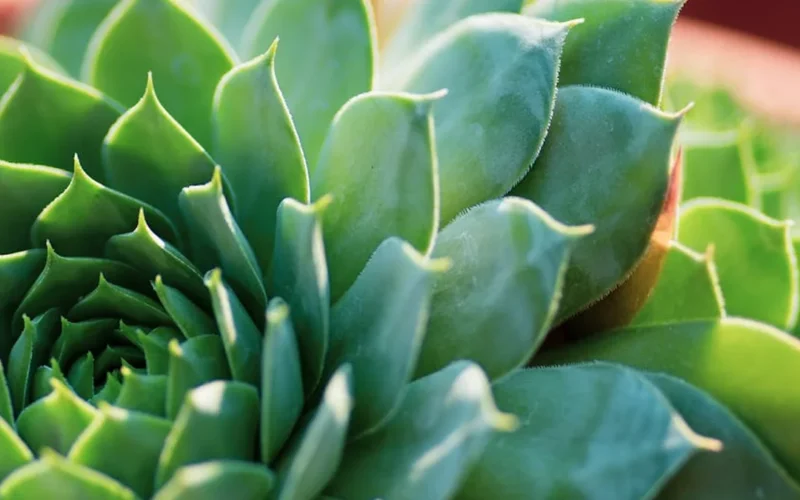
Opus One’s decision to retire its manicured grasses isn’t merely about curb appeal. The winery estimates it’s slashing irrigation by nearly half, a feat achieved by replacing lawns with native flora like Ceanothus thyrsiflorus and Westringia fruticosa. These plants, which thrive in dry conditions, mirror the rugged Vaca Mountains, creating a seamless bridge between the property and its surroundings. “With water usage becoming a critical topic, we were obliged to reconsider ‘lawns’ as an architectural element,” CEO Chris Lynch told db. The move aligns with Opus One’s 2030 mission to be globally responsible, framing sustainability as both a moral imperative and a practical response to climate realities.
Beyond the Roof
The redesign extends beyond the rooftop. Meandering limestone pathways and sculpted earth forms in the central courtyard create a tranquil setting for tastings, while the winery’s new water-conscious environment reflects a broader shift in luxury design. Partnering with Reed Hilderbrand, the project echoes the estate’s legacy of innovation, from its 1991 construction to its current commitment to “living architecture.” This approach isn’t isolated—Opus One recently earned the Butterfly Mark, a certification for luxury brands prioritizing sustainability. The cost? Annual fees that can reach £50,000 for companies with £100 million in turnover. For a winery that once symbolized excess, this is a pivot toward accountability. This redesign serves a multitude of needs, most importantly fulfilling part of our 2030 mission to be globally responsible and will conserve up to 40% of the water previously used for irrigation. How do you balance luxury with sustainability in your own space?
Questions & Answers
How did Opus One reduce water usage with its rooftop redesign?
Opus One replaced its lawns with drought-tolerant plants like *Ceanothus thyrsiflorus* and *Westringia fruticosa*, slashing irrigation by nearly half. This shift aligns with the winery’s 2030 mission to be globally responsible, framing sustainability as both a moral and practical response to climate challenges.
What is the significance of Opus One’s rooftop redesign?
The redesign signifies a broader shift in luxury real estate toward sustainability. By integrating native flora, Opus One creates a seamless connection to the Vaca Mountains and reduces water consumption, reflecting a commitment to environmental responsibility and innovative design.
Why did Opus One choose native plants for its rooftop?
Opus One selected native plants to thrive in dry conditions, reducing the need for irrigation. These plants also mirror the rugged Vaca Mountains, creating a natural bridge between the property and its surroundings while supporting biodiversity and water conservation.
How does Opus One’s redesign reflect its sustainability goals?
Opus One’s redesign aligns with its 2030 mission by prioritizing water conservation and sustainable design. The use of drought-tolerant plants and partnerships with eco-conscious firms like Reed Hilderbrand demonstrate a commitment to reducing environmental impact and embracing living architecture.
Originally reported by The Drinks Business.