⏱ 1 min read
The Short Version
Skip the boiler and use high pressure to pull espresso shots with nothing but cold tap water. By tightening your grind and ratio, you can bypass thermal energy to unlock a velvety, concentrated sweetness that resists typical dilution.
In This Article
Forget everything you know about thermal stability. While we usually obsess over temperature precision, there is a compelling case to be made for skipping the heat entirely. Using a manual lever device like the Leverpresso, it is possible to bypass the boiler and pull a shot using nothing but cold tap water and high pressure.
This method relies on *agitation* during the initial saturation phase to ensure the water penetrates the grounds effectively before the final descent.
The mechanics of cold extraction
The process requires a shift in how we perceive espresso density. By utilizing a piston-driven device, you can force cold water through a finely ground puck, mimicking the pressure profile of a standard machine without the steam wand or heating element. This method relies on agitation during the initial saturation phase to ensure the water penetrates the grounds effectively before the final descent. To compensate for the lack of thermal energy, you must tighten your variables: aim for a finer grind than your usual espresso setting and a slightly higher coffee-to-water ratio—roughly 1:1.5—to drive extraction in the absence of heat.
Texture and flavor profiles
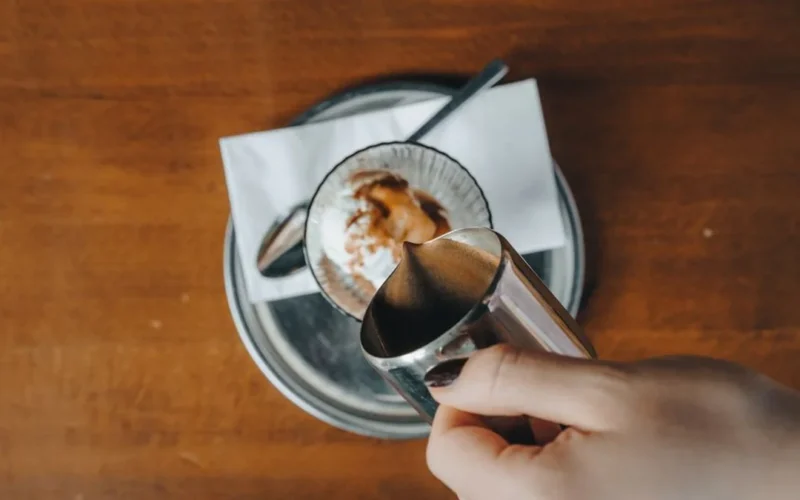
The resulting liquid behaves differently than a standard hot extraction. Without the volatile aromatics released by heat, the profile leans toward a cleaner, more concentrated sweetness that resists the dilution often found in flash-chilled coffee. When this cold shot is stirred with sugar and poured over large ice cubes with milk, it creates an exceptionally velvety iced latte. The absence of crema is a fair trade-off for a drink that remains stable and flavorful as the ice melts.
Instead of chasing perfect temperature curves, try leaning into mechanical pressure to unlock a new category of chilled beverages. The physics of a lever might be just as vital as the heat of the water when crafting the perfect iced milk drink.
Have you ever experimented with non-traditional extraction temperatures to change your coffee’s profile?
Questions & Answers
How do you perform a cold espresso extraction?
You perform a cold extraction by using a manual lever device to force cold tap water through finely ground coffee under high pressure. This method bypasses the boiler and heating elements entirely by relying on mechanical piston pressure rather than thermal energy. To ensure success, you should use a finer grind than usual and aim for a higher coffee-to-water ratio of approximately 1:1.5. This adjustment helps drive effective extraction when working without heat.
What are the flavor characteristics of cold pulled espresso?
Cold pulled espresso produces a profile characterized by a cleaner, more concentrated sweetness compared to traditional hot extractions. Because the process lacks the volatile aromatics typically released by high temperatures, the resulting liquid behaves differently and maintains its flavor integrity. This unique profile is particularly effective for iced drinks because it resists the dilution that often occurs when ice melts. The result is an exceptionally velvety texture when combined with milk and sugar.
Why does cold pulled espresso work without a heating element?
Cold pulling works by substituting thermal energy with intense mechanical pressure and specific agitation techniques. Using a piston-driven device like the Leverpresso allows you to mimic standard espresso pressure profiles using only cold water. During the initial saturation phase, agitation is used to ensure that the water effectively penetrates the coffee grounds before the final descent. This reliance on physics and pressure compensates for the absence of heat to achieve a successful extraction.
What changes should be made to grind size when making cold espresso?
You should use a finer grind setting than your standard espresso preparation when performing a cold extraction. Since you are not using heat to drive the extraction process, tightening your variables is necessary to compensate for the lack of thermal energy. Using a finer grind combined with a slightly higher coffee-to-water ratio helps ensure that the water can penetrate the puck and extract flavor effectively through mechanical pressure alone.
Originally reported by Reddit Espresso.