⏱ 2 min read
The Short Version
A $250 budget grinder can work with a PID machine like the ECM Classika if it delivers uniform, fine grounds—coarse grinds lead to bitter, wasted espresso. The real issue isn’t the machine’s limits but whether your grinder meets its exacting standards.
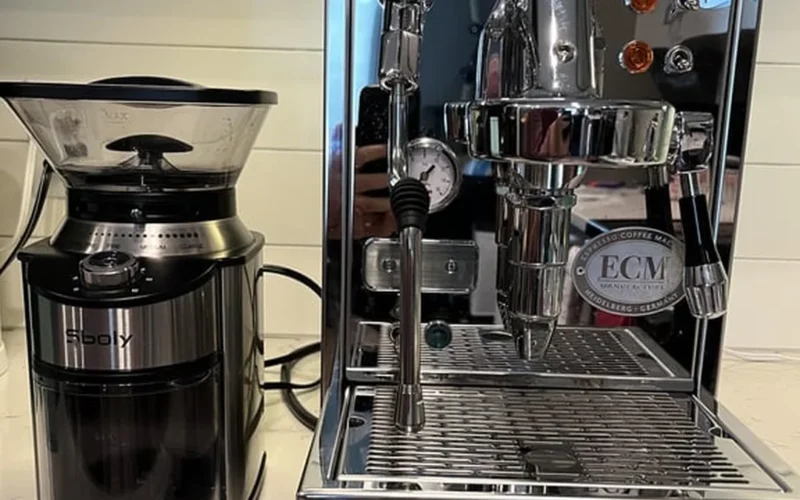
The verdict is clear: a PID machine like the ECM Classika is a precision tool, but its performance hinges on a grinder that can deliver uniform, fine grounds. If your grinder can’t keep up, the machine’s capabilities are irrelevant. The Amazon model you’re using for drip is underperforming. This isn’t about the machine’s limits—it’s about whether your grinder can meet the ECM’s exacting standards. A coarse grind leads to under-extraction, bitterness, and wasted effort. The real question isn’t whether you can afford a $300 grinder; it’s whether a $250 model can deliver the precision required.
A $250 grinder can work—if it’s built to handle the ECM’s precision demands. But don’t assume it will.
Grinders Are the Bottleneck, Not the Machine
A PID’s temperature control is only as effective as the grind it’s working with. If your grinder can’t produce a uniform, fine mesh, the machine’s precision is wasted. The Amazon model lacks the motor power and burr quality to handle the ECM’s demands. This isn’t about the machine’s capabilities—it’s about whether your grinder can meet the threshold for espresso extraction. A coarse grind will lead to under-extraction, bitterness, and wasted effort. The real question isn’t whether you can afford a $300 grinder; it’s whether a $250 option can bridge the gap.
Budget Grinders Can Work—But They Must Meet Specific Criteria
You’re not out of options. The Baratza Encore, for instance, is a budget-friendly grinder that can produce a fine, consistent grind when dialed in correctly. It’s not flawless, but it’s reliable enough for the ECM Classika. The Eureka MicroMill is another contender, though it’s slightly pricier. Both require adjustment—testing grind settings, adjusting the burr gap, and ensuring even distribution. The key is to avoid the trap of assuming a “good enough” grinder will work. A $250 model might still fall short if it lacks the precision to handle the ECM’s demands. A $250 grinder can work—if it’s built to handle the ECM’s precision demands. But don’t assume it will. Espresso quality also depends on bean preparation and freshness. Even the best grinder and PID machine can’t compensate for stale, improperly stored coffee. Prioritize fresh, whole beans and proper storage to complement your gear. So, what’s your take? Can a budget grinder truly match a PID machine, or is it time to invest in a higher-end model?
Questions & Answers
How do I choose a grinder that works with a PID machine like the ECM Classika?
Choose a grinder that can produce a uniform, fine grind. The Baratza Encore is a budget-friendly option that can work with the ECM Classika when dialed in correctly. It requires adjustment of grind settings and burr gap for consistent results.
What are the key factors to consider when pairing a PID machine with a grinder?
Key factors include the grinder's ability to produce a fine, consistent mesh and its motor power. The Amazon model lacks the necessary motor strength and burr quality to meet the ECM’s demands, making it unsuitable for optimal extraction.
Can a $250 grinder work with the ECM Classika?
A $250 grinder can work with the ECM Classika if it is built to handle the machine’s precision demands. The Baratza Encore is an example of a budget-friendly option that can deliver consistent results with proper setup and adjustment.
Why is the grinder more important than the PID machine for espresso quality?
The grinder is more important because it determines the grind size and consistency, which directly affect extraction. A PID machine’s temperature control is only effective if the grinder can produce uniform, fine grounds. A poor grind leads to under-extraction and bitterness, regardless of the machine’s precision.
Originally reported by Reddit Espresso.