⏱ 1 min read
The Short Version
Forget the heavy camouflage of aged Puerh; high-end green teas like Longjing offer a raw, honest transparency that reveals quality instantly. Brewed simply in a mug, premium leaves trade complexity for a sophisticated evolution of chestnut, cocoa butter, and unparalleled sensory clarity.
In This Article
High-end Yancha and boutique Puerh often dominate conversations about complexity, but there is a specific honesty found in high-quality green teas. Unlike heavily roasted or aged varieties, greens lack the structural camouflage provided by oxidation or time. They cannot hide behind heavy profiles; they simply present what they are.
If the tea isn't of good quality it will be overly bitter at the end.
The transparency of quality
Longjing was initially dismissed as overrated and overhyped until direct experience with premium leaves changed that perception. When brewed in a simple mug, the quality becomes immediately apparent through the evolution of the steep. The process begins with a distinct chestnut aroma as the leaves hit the water, transitioning into middle notes of fatty cocoa butter and soft vegetal undertones.
If the tea isn’t of good quality it will be overly bitter at the end. This makes the selection process critical. A superior Longjing offers a thick mouthfeel and a unique sense of warmth that distinguishes it from other green varieties. It is a study in how subtlety can provide more satisfaction than sheer boldness.
Sensory clarity in glass
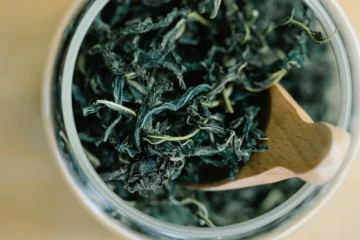
While many enthusiasts gravitate toward formal setups, using glass vessels allows for a different kind of appreciation. Glass highlights the visual unfurling of the leaves while ensuring the delicate aromatics pass through unimpeded to the nose. This method works equally well for Zhu Ye Qing, which presents an entirely different profile characterized by fresh snap peas and a powerful orchid fragrance.
The experience of Zhu Ye Qing relies on a specific structural arc: a brisk bitterness that quickly transforms into sweetness upon swallowing, eventually settling into a finish reminiscent of a mountain spring. Whether it is the nutty depth of Longjing or the floral brightness of Zhu Ye Qing, these teas reward those who move past heavy profiles toward transparency. Embracing these lighter, more honest flavors marks a significant shift in a tea drinker’s maturity.
What are some teas you’ve found yourself enjoying more and more later into your tea journey?
Questions & Answers
What are the sensory characteristics of high-quality Longjing tea?
High-quality Longjing tea is characterized by a distinct chestnut aroma and evolving middle notes of fatty cocoa butter paired with soft vegetal undertones. A superior variety will also offer a thick mouthfeel and a unique sense of warmth that distinguishes it from other green teas. If the tea is of poor quality, the experience will differ significantly, resulting in an overly bitter taste at the end of the steep.
How does brewing tea in a glass vessel affect the experience?
Brewing tea in glass vessels allows for a better appreciation of the visual unfurling of the leaves while ensuring delicate aromatics reach the nose unimpeded. This method provides sensory clarity that formal setups might lack by highlighting the tea's physical transformation in the water. For instance, using glass is an effective way to appreciate the visual and aromatic nuances of teas like Zhu Ye Qing.
Why is Longjing considered a transparent tea compared to other varieties?
Longjing is considered a transparent tea because it lacks the structural camouflage provided by the heavy oxidation or aging found in Yancha and Puerh. Because green teas do not hide behind heavy profiles, the quality of the leaves becomes immediately apparent through the evolution of the steep. This honesty means the tea cannot mask flaws, making the selection of premium leaves essential for a good experience.
What flavor profile can be expected from Zhu Ye Qing tea?
Zhu Ye Qing presents a unique profile characterized by the scent of powerful orchids and the taste of fresh snap peas. The drinking experience follows a specific structural arc that begins with a brisk bitterness. This bitterness quickly transforms into a lingering sweetness upon swallowing, eventually settling into a clean finish that is reminiscent of a fresh mountain spring.
Originally reported by Reddit Tea.