
⏱ 1 min read
The Short Version
Forget the standard long steeps; brewing Tian Mu Yun Wu for too long risks drowning its delicate edamame notes in astringency. To capture its bright, Anji Bai Cha-style vegetal clarity, aim for a precise, shorter infusion at 80°C.
In This Article
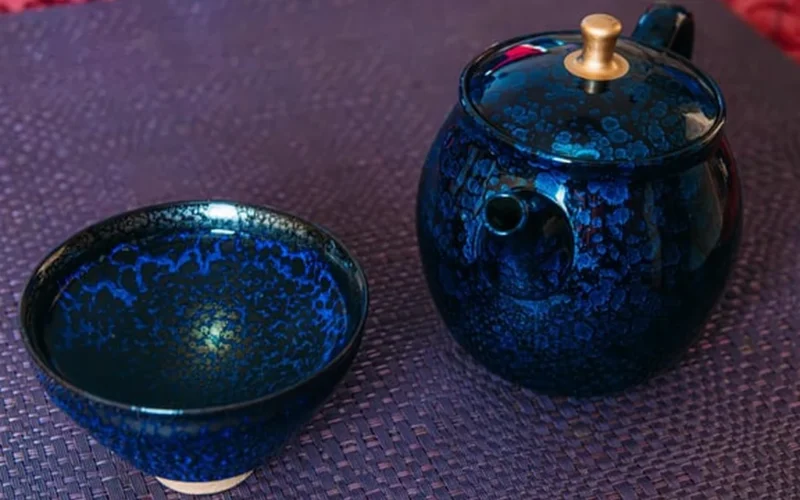
Tian Mu Yun Wu offers a sensory experience defined by bright, vegetal clarity and subtle floral undertones. During a recent tasting prepared in Tenmoku vessels—a style of Japanese pottery historically linked to the monks of Tianmu, though likely originating from Jian Zhan—the tea revealed a character reminiscent of high-end green teas. It presents distinct notes of edamame and fresh greenery, carrying a sweetness that evokes Anji Bai Cha without reaching its intense sugar levels.
The second infusion, steeped for four minutes, proved too astringent and concentrated for my palate.
Precision in the steep
Achieving the right balance with this tea requires careful management of temperature and time. While official instructions suggest a lengthy five-to-eight-minute steep, such a duration risks overwhelming the delicate nuances of the leaf. A more controlled approach using 5 grams of tea at 80°C for a two-minute initial infusion yields a much cleaner result.
The second infusion, steeped for four minutes, proved too astringent and concentrated for my palate. This suggests that while the tea possesses significant substance, it demands a light touch to prevent the tannins from masking its natural brightness. The interplay between the edamame notes and the lingering floral finish is most effective when the brew remains supple rather than heavy.
Comparing green tea profiles
The comparison to Anji Bai Cha is inevitable given the shared vegetal DNA, yet they remain distinct entities. Where Anji Bai Cha leans into an almost syrupy sweetness, Tian Mu Yun Wu maintains a leaner, more savory edge. For those who prioritize extreme sweetness in their greens, this variety might feel slightly more restrained.
Ultimately, the experience highlights how much vessel choice and timing dictate the final profile of a high-quality green tea. Even within the same leaf, moving away from standard brewing instructions can reveal whether a tea is truly balanced or merely prone to bitterness under pressure. It is a study in finding the line between a lush, vegetal body and unwanted astringency.
Do you prefer following strict steeping instructions, or do you experiment with shorter times to preserve delicacy?
Questions & Answers
What are the primary flavor notes of Tian Mu Yun Wu tea?
Tian Mu Yun Wu is characterized by bright, vegetal clarity and subtle floral undertones. The tea presents distinct notes of edamame and fresh greenery throughout the tasting experience. While it possesses a natural sweetness, it maintains a leaner and more savory profile compared to other varieties. This specific flavor profile creates a sensory experience that is reminiscent of high-end green teas, balancing lush vegetal body with a lingering floral finish.
How should Tian Mu Yun Wu be brewed to avoid bitterness?
To avoid overwhelming the delicate nuances of the leaf, use 5 grams of tea at 80°C for a two-minute initial infusion. While official instructions may suggest longer steeping times of five to eight minutes, such durations risk making the tea too astringent. A more controlled, shorter approach yields a much cleaner result and prevents tannins from masking the tea's natural brightness. Maintaining a light touch ensures the brew remains supple rather than heavy or concentrated.
How does Tian Mu Yun Wu compare to Anji Bai Cha?
Tian Mu Yun Wu shares a similar vegetal DNA with Anji Bai Cha but differs significantly in its sweetness levels. While Anji Bai Cha leans into an almost syrupy, intense sweetness, Tian Mu Yun Wu maintains a more restrained and savory edge. This makes Tian Mu Yun Wu feel slightly more lean for drinkers who prioritize extreme sugar levels in their green teas. The primary distinction lies in the balance between their shared vegetal qualities and their differing sugar profiles.
Why does vessel choice matter when tasting Tian Mu Yun Wu?
Vessel choice is critical because it can dictate the final flavor profile and sensory experience of the tea. Using Tenmoku vessels, which are historically linked to the monks of Tianmu, allows for a specific interplay of flavors during the tasting process. The way a tea interacts with its container can influence how the edamame notes and floral finishes are perceived. Ultimately, the combination of the specific vessel and precise timing determines if the tea achieves its full balance.
Originally reported by Reddit Tea.