⏱ 2 min read
The Short Version
Forget the grassy punch of matcha for the toasted, cereal-driven warmth of Kyushu’s roasted profiles. KyuTeaCo’s powdered genmaicha and hojicha offer a sophisticated, whiskable alternative that delivers nutty, chocolatey notes while directly supporting Japan’s generational family farms.
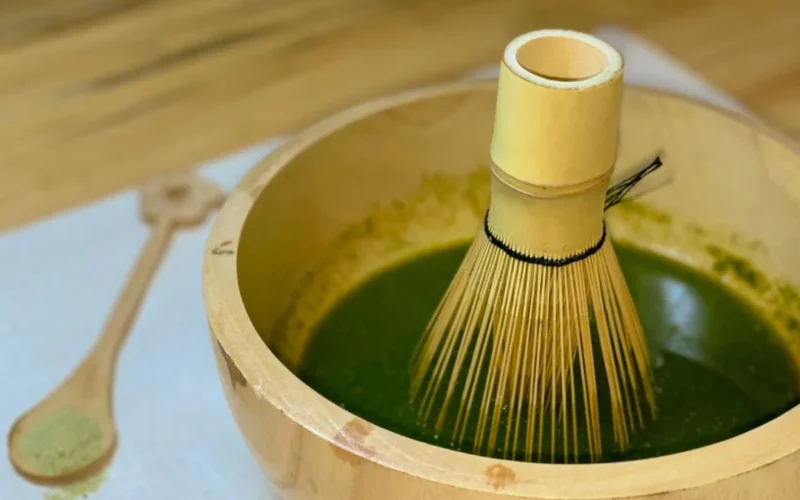
Matcha often dominates the conversation around Japanese powdered teas, but it isn’t the only way to experience finely milled leaves. KyuTeaCo is expanding the category by offering powdered genmaicha and hojicha, bringing the toasted, savory nuances of Kyushu to a convenient, whiskable format. These aren’t just alternatives for those avoiding the grassy notes of tencha; they are distinct flavor profiles that change how we approach daily tea rituals.
It tasted almost exactly like the milk does after finishing a bowl of Cheerios cereal.
Toasted Profiles and Versatile Preparations
The Powdered Genmaicha combines sencha green tea from Kyushu with toasted brown rice from Saga. Unlike the intense vegetal punch typical of matcha, this powder delivers a mild, cereal-driven profile. During testing, using 3g of tea in 12oz of 175℉ water revealed a sweet, nutty aroma without any bitterness or astringency. The tea proves remarkably forgiving; reducing the ratio to 2g of tea in 3oz of water creates a frothier, more concentrated cup that maintains its balance. It tasted almost exactly like the milk does after finishing a bowl of Cheerios cereal. This makes it an ideal candidate for smoothies or lattes, especially when paired with a touch of vanilla syrup.
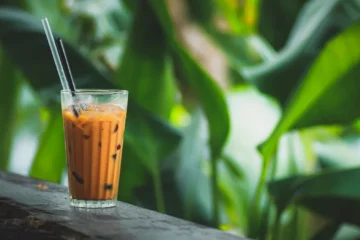
The Powdered Hojicha offers a different sensory direction entirely, featuring a milk chocolate brown color and a roasty, comforting character. Because it starts as roasted green tea before being ground, it possesses a bolder, deeper identity than the genmaicha. When prepared as a latte with 2% milk, the hojicha stands out sharply against the dairy, leaning into notes that can even mimic a chocolatey drink like Yoo-hoo. Since hojicha is naturally lower in caffeine, it serves as a sophisticated late-day option for those seeking warmth without the jitters.
Sourcing from Kyushu’s Generational Farms
KyuTeaCo’s focus on Kyushu is intentional, tapping into a region that holds over half of Japan’s 118 recognized tea cultivars. Founder James emphasizes that the brand prioritizes small-batch, family-owned farms where history often spans five generations. These producers frequently operate on thin margins and struggle to compete with the massive scale of industrial matcha production. By partnering directly with these farmers, KyuTeaCo supports local communities through its 11% for Good program, which reinvests net profits into farm support, organizational partnerships, and cultural preservation. This approach ensures that the nuanced flavors of regions like Kagoshima and Yame are preserved through sustainable, ethical sourcing.
When you experiment with powdered teas, do you prefer the bright, vegetal notes of matcha or the toasted depth of roasted varieties?
Questions & Answers
What is the difference between powdered genmaicha and powdered hojicha?
Powdered genmaicha features a mild, cereal-driven profile, while powdered hojicha offers a bolder, roasty, and comforting character. The genmaicha combines Kyushu sencha with toasted brown rice from Saga to create a nutty flavor reminiscent of cereal milk. In contrast, the hojicha is made from roasted green tea, resulting in a deep milk chocolate brown color. While genmaicha focuses on toasted grain notes, hojicha provides a more intense, chocolatey experience that works well in lattes.
How does KyuTeaCo support small-scale tea farmers in Kyushu?
KyuTeaCo supports small-scale farmers through its 11% for Good program, which reinvests net profits into farm support and cultural preservation. The brand prioritizes direct partnerships with family-owned farms that often have histories spanning five generations. These small producers frequently struggle to compete with the massive scale of industrial matcha production. By sourcing directly from these generational farms, the company helps sustain local communities and ensures that the unique flavors of regions like Kagoshima and Yame are preserved.
What are the best ways to prepare powdered genmaicha tea?
Powdered genmaicha can be prepared as a light tea or a concentrated, frothy drink. For a standard cup, mixing 3g of tea with 12oz of 175℉ water creates a sweet, nutty aroma without bitterness. Alternatively, using 2g of tea in 3oz of water produces a more concentrated version that maintains its balance. Because of its cereal-like flavor profile, this powder is also an ideal ingredient for smoothies or lattes, especially when paired with vanilla syrup.
Why is powdered hojicha a good option for late-day consumption?
Powdered hojicha is a suitable late-day option because it is naturally lower in caffeine than other varieties. This allows drinkers to enjoy a warm, comforting beverage without the jitters often associated with higher-caffeine teas like matcha. The tea provides a sophisticated sensory experience with a roasty profile that can even mimic chocolatey drinks like Yoo-hoo. When prepared as a latte with milk, its deep, toasted character stands out sharply, making it a satisfying treat for the evening.
Originally reported by Tea for Me Please.