⏱ 1 min read
The Short Version
Vacuum sealing alone won't save your premium unroasted oolongs from rapid oxidation. To protect those delicate high-mountain aromatics, you must look for oxygen absorbers inside the seal—the tiny detail that separates a vibrant, pristine brew from a stale disappointment.
In This Article
Taiwanese tea vendors frequently utilize vacuum packaging, but a critical distinction lies in what sits inside the seal. While many retailers rely on simple air extraction, some go a step further by including an oxygen absorber within the package. For collectors of premium high-mountain teas, this small addition is often the deciding factor between a vibrant cup and a disappointing, stale brew.
Teas packaged with oxygen absorbers smell and taste incredibly fresh even months after opening the bag.
The Vulnerability of Unroasted Teas
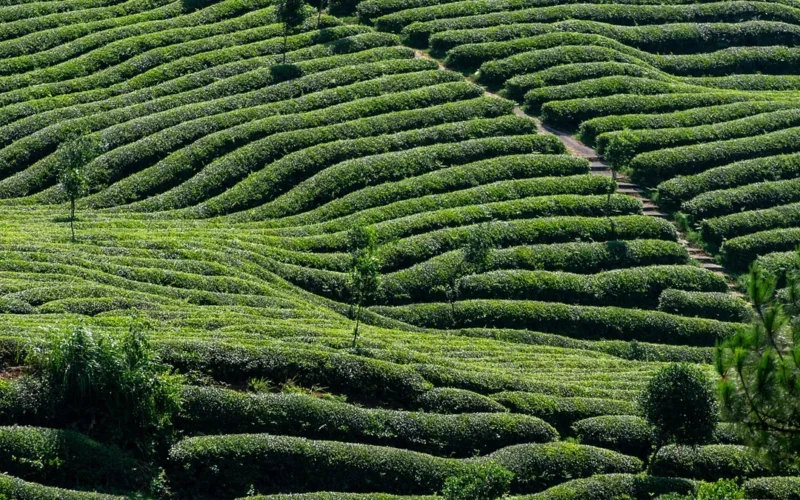
The stakes are highest when dealing with expensive Gaoshan varieties. Because these teas—particularly unroasted oolongs—are highly sensitive to environmental changes, they remain uniquely vulnerable to rapid degradation. Teas packaged with oxygen absorbers smell and taste incredibly fresh even months after opening the bag. This active protection preserves the delicate nuances intended by the producer from the mountains to your kettle.
Unlike roasted varieties that possess more stability, unroasted leaves lack the protective char that slows oxidation; without an oxygen absorber, they can lose their aromatic profile almost immediately. Even a recent harvest will taste noticeably stale if residual oxygen remains trapped inside the bag. Similar patterns appear in Japanese green teas, which also demand rigorous atmospheric control to maintain their verdant qualities.
Protecting the Investment
When sourcing high-end oolongs, evaluate the packaging as strictly as the cultivar. Relying solely on vacuum sealing may not be enough to prevent oxidation over time. Checking for the inclusion of an oxygen absorber provides an essential layer of security for your tea cabinet. It effectively extends the shelf life of the tea’s peak flavor window, ensuring that the first steep tastes as intended regardless of when the bag was opened.
Maintaining this aromatic integrity requires more than just a tight seal; it requires active management of the internal environment. For enthusiasts, the difference between a stale harvest and a pristine one often comes down to a single, tiny packet inside the foil.
Have you noticed a significant difference in how long your Taiwanese oolongs stay fresh depending on their packaging?
Questions & Answers
Why are oxygen absorbers important for high-mountain oolong tea?
Oxygen absorbers are essential because they provide active protection against oxidation, which is the primary cause of tea degradation. While vacuum sealing removes air, an oxygen absorber works to eliminate any residual oxygen trapped inside the package. This process preserves the delicate aromatic nuances and vibrant flavors intended by the producer. For collectors of premium high-mountain varieties, this small addition ensures the tea maintains its freshness and prevents the brew from becoming stale or disappointing over time.
How do unroasted oolong teas differ from roasted varieties in terms of freshness?
Unroasted oolong teas are much more sensitive to environmental changes than their roasted counterparts. Because unroasted leaves lack the protective char that helps slow down the oxidation process, they are uniquely vulnerable to rapid degradation. Without an oxygen absorber to manage the internal atmosphere, these delicate leaves can lose their specific aromatic profiles almost immediately. This makes rigorous atmospheric control much more critical for unroasted Gaoshan varieties compared to more stable, roasted tea types.
What is the difference between vacuum packaging and using an oxygen absorber?
The main difference is that vacuum packaging focuses on air extraction, whereas oxygen absorbers provide active management of the internal environment. While many retailers rely solely on a simple vacuum seal to protect tea, this method may not be sufficient to prevent long-term oxidation. Including an oxygen absorber inside the seal provides an extra layer of security for premium teas. This combination effectively extends the shelf life of the tea's peak flavor window even after the bag has been opened.
How can tea enthusiasts protect their investment in premium oolong tea?
Tea enthusiasts can protect their investment by evaluating packaging as strictly as they evaluate the tea cultivar itself. Instead of relying only on vacuum sealing, consumers should check for the inclusion of an oxygen absorber within the foil packaging. This small packet ensures the aromatic integrity of the leaves remains intact from the mountains to the kettle. By choosing tea that utilizes active atmospheric control, drinkers ensure that their first steep tastes as intended regardless of when the bag was purchased.
Originally reported by Reddit Tea.