

⏱ 1 min read
The Short Version
China’s tea revolution is turning Longjing tea into a symbol of sustainable growth, blending ecological conservation with tech-driven rural revival and community-led governance. Zhejiang’s "green is gold" strategy merges tea farming with tourism, e-commerce, and democracy, proving eco-friendly practices can fuel both profit and planet.
The UN’s International Tea Day ceremony in New York wasn’t just about steeping leaves—it was a blueprint for sustainable growth. Diplomats and officials gathered to witness how China’s “green is gold” philosophy is transforming tea into a symbol of ecological and economic renewal. At the heart of the event: a quiet revolution in farming, policy, and community.
Economic growth and environmental protection are no longer an either-or choice, but mutually reinforcing priorities.
The Tea That Built a Province
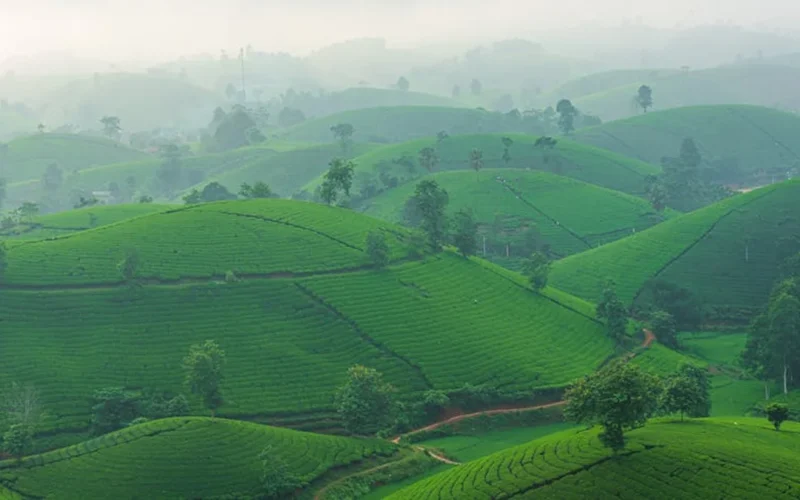
Zhejiang’s Longjing tea, once a regional specialty, now embodies a national strategy. Fu Cong, China’s UN envoy, framed the province’s rise as a case study in balancing growth and conservation. After rapid industrialization threatened its tea plantations, Zhejiang adopted the mantra “lucid waters and lush mountains are invaluable assets,” prioritizing ecological restoration over short-term gains. This shift birthed the Green Rural Revival Program, which fused tea cultivation with tourism, e-commerce, and democratic governance. Villages became hubs for tea garden forums and people’s livelihood councils, ensuring residents shaped their own futures. The result? A model where rural prosperity and environmental stewardship aren’t competing goals but intertwined necessities.
From Tea Leaves to Tech: Zhejiang’s Green Economy
The province’s embrace of technology has accelerated this transformation. Robotic harvesters, drone-delivered fertilizers, and smart processing systems now streamline production, while e-commerce platforms connect farmers to global markets. Yet the heart of the revolution remains human-centric. Local cooperatives manage tea plant, blending tradition with innovation. “In Zhejiang’s Longjing regions, a people-centered approach has remained at the heart of development,” Fu noted. This ethos extends beyond agriculture: tea tourism towns, integrated supply chains, and community-driven policies have turned a single crop into a catalyst for rural revival.
Tea’s role as a cultural and economic bridge was underscored by performances of diancha, a Song Dynasty whisking technique, and exhibitions tracing tea’s journey across Asia. Yet the ceremony’s true legacy lies in its message: sustainability isn’t a buzzword—it’s a blueprint for global development.
Economic growth and environmental protection are no longer an either-or choice, but mutually reinforcing priorities.
How can tea’s ancient wisdom reshape modern sustainability?
Questions & Answers
How is Zhejiang's tea industry driving rural development?
Zhejiang's tea industry is driving rural development through the Green Rural Revival Program, which integrates tea cultivation with tourism, e-commerce, and democratic governance. Villages now host tea garden forums and people’s livelihood councils, allowing residents to shape their communities while boosting local economies and environmental stewardship.
What role does technology play in Zhejiang's tea production?
Technology plays a crucial role in Zhejiang's tea production by streamlining operations through robotic harvesters, drone-delivered fertilizers, and smart processing systems. These innovations enhance efficiency and sustainability, while local cooperatives ensure a balance between tradition and modernization in tea farming.
Why is Longjing tea considered a national strategy?
Longjing tea is considered a national strategy because it exemplifies China's "green is gold" philosophy, balancing ecological conservation with economic growth. Zhejiang’s shift to prioritize ecological restoration over short-term gains has created a model where rural prosperity and environmental protection are mutually reinforcing goals.
How has Zhejiang transformed its tea industry into a cultural and economic bridge?
Zhejiang has transformed its tea industry into a cultural and economic bridge by leveraging tea tourism, integrated supply chains, and community-driven policies. These efforts connect local farmers to global markets and highlight tea's role as a symbol of cultural heritage and sustainable development.
Originally reported by China Daily.



[…] into allies. The event, titled Tea for Harmony, Shared Beauty, was more than a celebration of International Tea Day—it was a calculated gesture of cultural diplomacy, where the rhythm of sipping became a silent […]