⏱ 2 min read
The Short Version
Harrison Ford and Elizabeth Gabay redefined wine’s global stage, blending Hollywood glamour with terroir storytelling as climate change reshapes the future of fermented beverages.
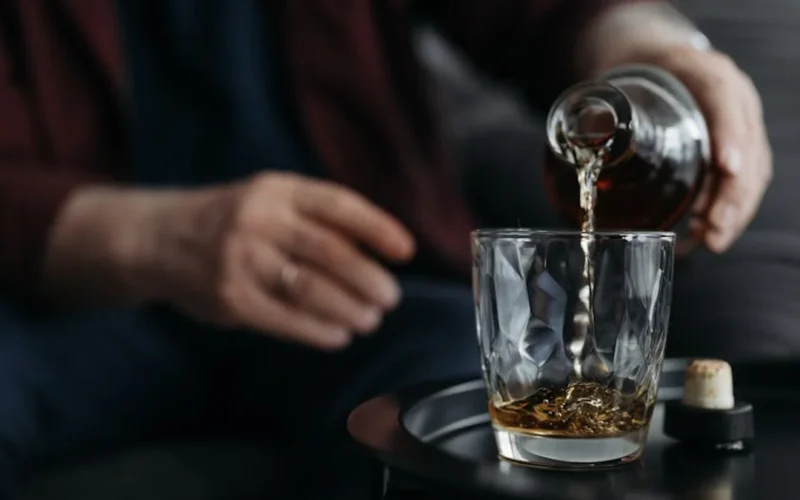
A week of liquid storytelling unfolded across continents, where whisky and wine didn’t just taste different—they felt different. Harrison Ford, draped in a kilt, poured Glenmorangie’s latest limited edition for guests at Sunset Tower, his dram a bridge between Hollywood and Highland tradition. Meanwhile, Elizabeth Gabay MW revisited Provence’s vineyards, her 40-year journey with the region’s wines culminating in a dinner that tasted like a time capsule. These moments weren’t isolated; they were part of a broader shift in how we engage with fermented beverages—rooted in place, yet fiercely global.
Altitude, old vines and cooler mountain conditions are shaping wines with freshness, structure and ageing potential.
The Global Wine Scene Is Reimagining Its Map
From London’s organic rosé tastings to Trafalgar Square’s Canada House Producers, the week underscored a quiet revolution. Château Léoube’s new vintage, presented in a space that felt more like a living room than a trade event, highlighted the power of terroir in shaping flavor. But it wasn’t just about the wine. The Tejo masterclass revealed how a newly defined sub-region, Serras, is rewriting the playbook for Malbec, using altitude and old vines to craft wines that balance freshness with aging potential. These aren’t just bottles—they’re narratives, each with a geography and a history. Climate change is rewriting the rules of terroir, pushing winemakers to adapt as rising temperatures and shifting rainfall patterns alter flavor profiles and harvest windows.
Craft Is No Longer a Local Obsession
The Coravin Paulée in Manchester and the BAFTA partnership with Taittinger proved that craft isn’t confined to a single country or culture. When Eight Lands unveiled its new packaging, inspired by the Highland landscape, it wasn’t just a branding move—it was a declaration that identity and place are inseparable from the drink itself. Even the most technical sessions, like the Luján de Cuyo DOC masterclass, emphasized that innovation thrives where tradition meets curiosity. These events weren’t about selling wine or whisky; they were about redefining how we experience them.
Altitude, old vines and cooler mountain conditions are shaping wines with freshness, structure and ageing potential.
What happens when a whisky dram becomes a conversation starter, and a wine glass holds a story from another continent?
Questions & Answers
How did Harrison Ford contribute to the global wine and whisky scene?
Harrison Ford poured Glenmorangie’s latest limited edition at Sunset Tower, bridging Hollywood and Highland tradition. His dram became a symbol of how whisky and wine are now seen as stories rooted in place yet connected globally.
What role did climate change play in reshaping the wine industry?
Climate change is altering terroir by shifting temperatures and rainfall, which affects flavor profiles and harvest windows. Winemakers are adapting to these changes, redefining how wine is produced and experienced.
How are new regions influencing wine production?
The Tejo masterclass highlighted Serras, a newly defined sub-region, crafting Malbec with altitude and old vines. This shows how new regions are rewriting wine rules, balancing freshness with aging potential.
Why is craft now considered a global phenomenon?
Craft is no longer local; events like the Coravin Paulée and BAFTA-Taittinger partnership show innovation thrives where tradition meets curiosity. Identity and place are now inseparable from the drink itself.
Originally reported by The Drinks Business.