

⏱ 2 min read
The Short Version
In Paso Robles, high-quality wine is no longer the differentiator—it’s merely the baseline. To survive, Truss Wines trades transactional counters for architectural intimacy, swapping rigid service for a customized "vibe check" that prioritizes human connection over the pour.
In This Article
In Paso Robles, excellence is now the baseline, not the differentiator. For Kyle Jury, owner of Truss Wines, high-quality liquid in a glass is merely the secondary objective. In a market saturated with premium labels, survival depends on the depth of the human connection forged within the tasting room walls.
The goal is for this to feel like a less transactional experience, not a server or bartender behind a bar just telling you our story.
Architecture of an Experience
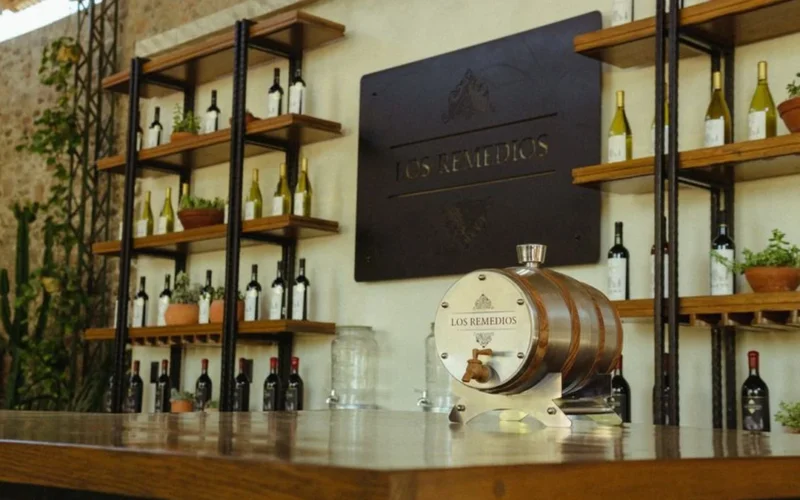
Jury’s approach to his Willow Creek District estate is rooted in his background in architecture, a discipline that informs both the brand name and the physical space. By renovating the former T.H. Estates property, he stripped away the rustic barn aesthetic to create something modern, light, and intentionally domestic. The design avoids the industrial coldness of many contemporary tasting rooms; instead of long, transactional counters that act as barriers between staff and guests, Jury utilized low-profile seating and open sightlines to dissolve the sense of “service.” The goal is for this to feel like a less transactional experience, not a server or bartender behind a bar just telling you our story.
This hospitality extends to a customized service model that begins with a simple vibe check. Jury and his team tailor their presence to the guest, offering deep-dive storytelling for the enthusiasts while providing quiet solitude for the veteran drinkers who simply want to relax. This ability to pivot between intense engagement and respectful distance is what differentiates a mere tasting from a true estate experience.
Intentionality in Every Bottle
The wine program at Truss reflects this same refusal to play mind games. While the estate focuses heavily on Rhône varieties like Syrah and Grenache, Jury maintains small batches of Chardonnay and Pinot Noir out of personal respect for his roots. To ensure guests choose based on palate rather than price point, he has standardized the pricing for several key varietals at $75 per bottle. He wants drinkers to engage with the fruit directly, without being swayed by a premium label or a higher cost.
While many producers are retreating into predictable, high-margin branding, Jury is betting on the volatility of human connection—investing heavily in the labor-intensive nuances of service rather than just the cellar. By focusing on the structural support of hospitality—much like the architectural truss that gives the brand its name—Jury is building a following based on how people feel, not just what they drink.
Does your ideal tasting experience prioritize technical education or quiet contemplation?
Questions & Answers
What makes the tasting room experience at Truss Wines different?
Truss Wines differentiates its tasting room by prioritizing human connection and hospitality over a traditional transactional service model. Instead of using long, industrial counters that create barriers between staff and guests, owner Kyle Jury utilizes low-profile seating and open sightlines to dissolve the sense of formal service. This architectural approach is designed to make visitors feel as though they are in an intentional domestic space rather than a standard commercial tasting room or bar.
How does Truss Wines tailor its service to different types of guests?
Truss Wines uses a customized service model that begins with a vibe check to determine how much engagement a guest desires. The staff is trained to pivot their approach based on the individual, offering deep-dive storytelling for wine enthusiasts who want to learn more. Conversely, they provide quiet solitude for veteran drinkers who prefer to relax without interruption. This flexibility ensures that every visitor receives an estate experience tailored specifically to their personal preferences and comfort levels.
Why did Kyle Jury standardize certain wine prices at Truss Wines?
Kyle Jury standardized the pricing for several key varietals at $75 per bottle to ensure guests choose wines based on their palate rather than the price point. By removing the influence of cost from the decision-making process, he encourages drinkers to engage directly with the fruit and the quality of the wine itself. This intentional pricing strategy prevents customers from being swayed by expensive labels and keeps the focus on the actual tasting experience.
What types of grape varieties are produced at the Truss Wines estate?
The Truss Wines estate focuses primarily on producing high-quality Rhône varieties, such as Syrah and Grenache. While these grapes represent the core of the wine program, Kyle Jury also maintains small batches of Chardonnay and Pinot Noir out of personal respect for his viticultural roots. This diverse selection allows the estate to showcase its specialization in Rhône styles while still offering classic varietals that honor the owner's background and personal preferences.
Originally reported by AOL.com.


[…] scale of a winemaker’s impact. While Collective Z—now operating as Marie Adler—manages a limited footprint near Bad Dürkheim, their 2020 Sylvaner Kalkoven proves that precision beats volume every time. […]