⏱ 1 min read
The Short Version
Gen Z is transforming matcha from a traditional tea into a trendy symbol of wellness and identity, blending health claims with a rebellious aesthetic. Its rise reflects a shift from ritual to routine, driven by both science and cultural defiance.
In This Article
Gen Z isn’t just drinking matcha—they’re redefining its cultural role. Once a niche curiosity, the powdered green tea has evolved into a symbol of wellness, mindfulness, and a subtle act of defiance. Its ascent is less about health and more about how it’s embedded in modern life, from morning routines to digital identity.
Matcha’s rise isn’t just about health—it’s about how it’s woven into daily life.
From Ritual to Routine
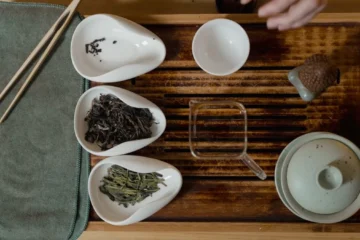
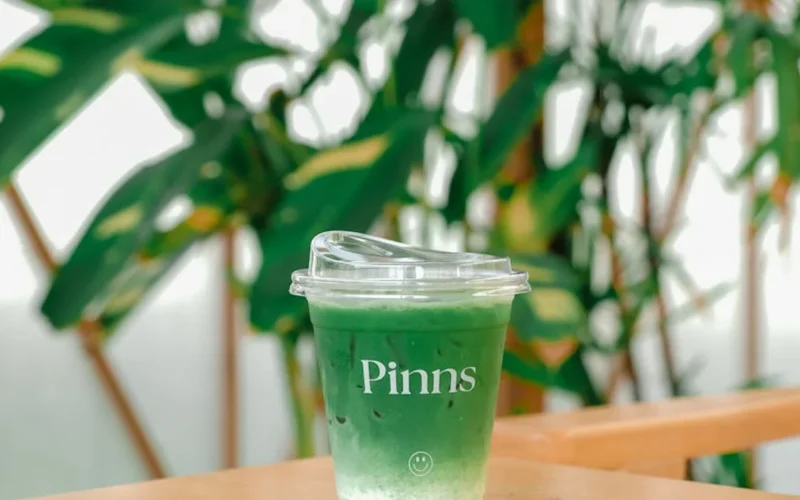
Matcha’s origins lie in Japan’s centuries-old tea ceremonies, where it was a symbol of discipline and precision. Today, it’s stripped of its ceremonial weight and repurposed as a quick, Instagrammable indulgence. Brands like Jade Leaf Matcha have commercialized the trend, turning matcha into a commodity. Yet the shift from tradition to trend isn’t just about convenience—it’s about Gen Z’s desire for authenticity in aesthetics, reflected in the green hue that signals both sophistication and a rejection of mainstream norms.
The Science Behind the Green Glow
Matcha’s appeal is bolstered by its chemical profile. Packed with EGCG, the antioxidant linked to heart health and metabolic boosts, it’s marketed as a performance enhancer. But its real power lies in how it’s framed: not just a drink, but a lifestyle choice. Yet the science remains incomplete. While lab studies hint at anti-tumor benefits, human trials are scarce. Still, the caffeine content and potential nutrient interactions—like reduced absorption when paired with dairy—mean moderation is key. Matcha’s rise isn’t just about health—it’s about how it’s woven into daily life. Why does Gen Z keep coming back to matcha, even as trends shift? Is it the ritual, the color, or the promise of something more? What’s your take?
Questions & Answers
How is matcha becoming a cultural symbol for Gen Z?
Matcha has become a cultural symbol for Gen Z by representing wellness, mindfulness, and a subtle act of defiance. It’s embedded in modern life, from morning routines to digital identity, and its green hue signals sophistication and a rejection of mainstream norms. Brands like Jade Leaf Matcha have commercialized this trend, turning it into a commodity.
What role does the green color of matcha play in its popularity?
The green color of matcha signals both sophistication and a rejection of mainstream norms. It reflects Gen Z’s desire for authenticity in aesthetics and is a key part of its Instagrammable appeal. This hue has become a visual marker of a lifestyle choice, blending wellness with cultural expression.
Why is matcha marketed as more than just a drink?
Matcha is marketed as more than just a drink because it’s framed as a lifestyle choice. It’s associated with wellness, performance enhancement, and mindfulness, aligning with Gen Z’s values. This branding transforms it from a traditional tea into a symbol of modern self-care and identity.
What are the health benefits and limitations of matcha?
Matcha offers health benefits like EGCG, an antioxidant linked to heart health and metabolic boosts. However, human trials on its anti-tumor potential are limited. Its caffeine content and potential nutrient interactions, such as reduced absorption with dairy, mean moderation is important for optimal benefits.
Originally reported by Geo News.