


⏱ 1 min read
The Short Version
Deandra Gauci is transforming Malta’s coffee culture from soda-drinking habits into a rigorous scientific discipline. By treating beans with the academic precision of viticulture, she’s scaling specialty education through high-level sensory training and a curated global multiroaster program.
In This Article
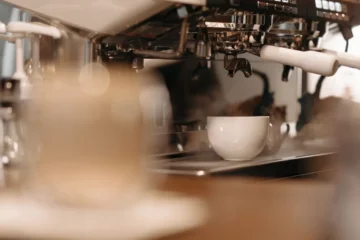
The verdict is in: specialty coffee thrives only when curiosity outpaces habit. When Deandra Gauci opened her first espresso bar in Sliema in 2022, she wasn’t just serving drinks; she was navigating a landscape where customers often preferred Coca-Cola over a nuanced espresso. What began as a family-run operation has evolved into a sophisticated educational ecosystem that bridges the gap between casual drinkers and sensory experts.
The sensory part of it — the cupping, the tasting — that’s the most exciting part.
From barista to educator
Gauci’s trajectory from an Amsterdam training trip to becoming an SCA Authorized Trainer and Q Grader highlights a shift from service to science. Her business, Coffee&strangers, has expanded far beyond the cafe counter to include The Coffee Institute & Lab in Attard. This new venture treats coffee with the same academic rigor applied to viticulture, offering specialized courses on water composition and espresso science. The sensory part of it — the cupping, the tasting — that’s the most exciting part. By applying wine-inspired sensory experiences to the bean, Gauci is elevating the local standard for how coffee is perceived and understood.
A curated multiroaster approach
At the Sliema espresso bar, the menu functions as a global tasting room. Rather than sticking to a single source, Gauci utilizes a multiroaster program featuring heavyweights like Square Mile, Onyx Coffee Lab, and Five Elephant. This selection allows her to showcase the specific fingerprints left by different roasting philosophies. She notes that every roaster possesses a distinctive touch that remains identifiable in the cup.
Despite this technical progress, Gauci remains critical of the industry’s current direction. She argues that many new specialty houses suffer from a lack of true passion and a tendency toward repetitive, uninspired models. For Gauci, the goal isn’t just to open another shop, but to drive innovation through deep business acumen and relentless educational standards. She views the complexity of aroma and flavor not just as a product, but as an endless study.
Do you think specialty coffee shops focus too much on aesthetics and not enough on actual education?
Questions & Answers
What is the purpose of The Coffee Institute & Lab in Attard?
The Coffee Institute & Lab serves as a specialized educational ecosystem designed to teach the scientific principles of coffee. This venture applies academic rigor similar to viticulture by offering advanced courses on technical topics like espresso science and water composition. By focusing on these complex elements, the institute helps bridge the gap between casual drinkers and sensory experts. It moves beyond standard service to provide deep training that elevates how specialty coffee is understood and perceived within the local community.
How does Deandra Gauci select the coffee beans for her espresso bar?
Deandra Gauci utilizes a curated multiroaster approach to showcase various roasting philosophies at her Sliema espresso bar. Instead of relying on a single source, she features renowned international roasters such as Square Mile, Onyx Coffee Lab, and Five Elephant. This method allows the menu to function like a global tasting room where customers can experience different distinctive touches. By selecting diverse heavyweights, she ensures that every cup reveals the specific fingerprints left by different roasting techniques and origins.
Why does Deandra Gauci emphasize sensory education in specialty coffee?
Sensory education is vital because it transforms coffee from a simple product into an endless study of aroma and flavor. Gauci applies wine-inspired sensory experiences to the coffee bean to help people understand nuances like cupping and tasting. This method elevates local standards by encouraging curiosity over habit, teaching drinkers to recognize complex profiles. By treating the sensory part of coffee with academic seriousness, she helps customers move past basic consumption toward a more sophisticated appreciation of specialty beans.
What challenges does Deandra Gauci identify within the current specialty coffee industry?
The specialty coffee industry faces a trend where many new houses prioritize repetitive models over genuine passion and innovation. Gauci observes that some establishments focus too heavily on uninspired patterns rather than driving true progress through deep business acumen. She believes that successful growth requires relentless educational standards rather than just opening another shop. For her, the goal is to avoid superficiality by focusing on the technical complexities of coffee science and maintaining high levels of professional training.
Originally reported by Daily Coffee News.


[…] behind the management desk. True success requires moving beyond the bar to master the nuances of human connection and operational […]