⏱ 1 min read
The Short Version
After surviving spring frosts and sunburned grapes, Bollinger’s 2021 Blanc de Noirs turns a traumatic harvest into a triumph. By blending lean fruit with nearly half reserve wines from legendary vintages, they’ve traded easy perfection for sophisticated, hard-won complexity.
This is worth savoring: resilience often tastes better than ease. While many Champagne houses struggle to find their footing after weather volatility, Bollinger has just released PNAYC21, the seventh iteration of its Pinot Noir series. This release follows the sun-drenched perfection of the 2018 vintage, but where that year was defined by record warmth, 2021 was an exercise in survival.
We didn’t make a vintage but although it was challenging, we made the best expression of the vintage possible
A battle against the elements
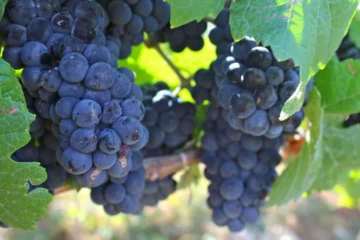
The growing season for the 2021 base was anything but smooth. Following a brutal winter, the house faced spring frosts, oidium, mildew, and even sunburned grapes. The technical toll was heavy; cellar teams saw significant volume lost to frost in April and further reductions due to botrytis during the actual harvest. We didn’t make a vintage but although it was challenging, we made the best expression of the vintage possible explains Cyril Delarue, Bollinger’s global sales director. To manage these risks, the team opted to pick early at 10 degrees of potential alcohol rather than chasing ripeness and risking rot.
Complexity through strategic blending
Because the 2021 fruit was shaped by such intense pressure, Bollinger relied on its massive library of reserve magnums to provide structure. The blend is composed of 51% base wine—primarily from the rich, full-bodied Aÿ cru alongside Tauxières and Mutigny—and 49% reserve wines drawn from the 2012, 2013, and 2014 harvests. This approach creates a necessary counterweight to the leaner characteristics of a difficult year. Unlike the 2018 edition, which leaned into an Extra Brut profile with minimal dosage, the ’21 carries a slightly higher 8g/l to ensure balance. The result is a Blanc de Noirs that maintains a bright, grapefruit citrus edge while benefiting from the deep complexity provided by years of aging in wood. As Bollinger expands its barrel room capacity to house more reserves, the temptation to blend for perfection will remain, but this release proves they can turn a “traumatic” season into something truly sophisticated. Do you prefer your Champagne to reflect the raw character of a single vintage or the polished consistency of a masterfully blended reserve?
Questions & Answers
What challenges did Bollinger face during the 2021 Champagne harvest?
The 2021 growing season was defined by extreme weather volatility and several agricultural threats. After a brutal winter, the vineyard teams had to battle spring frosts, oidium, mildew, and even sunburned grapes. These elements caused significant volume loss in April due to frost and further reductions during the actual harvest because of botrytis. To manage these risks effectively, the team chose to pick their grapes early at 10 degrees of potential alcohol rather than risking rot by chasing more ripeness.
How does Bollinger create structure in its PNAYC21 Blanc de Noirs?
Bollinger creates structure in this release by blending a large portion of reserve wines with the base wine. The final blend consists of 51% base wine, sourced primarily from the full-bodied Aÿ cru along with Tauxières and Mutigny, and 49% reserve wines. These reserves are drawn from the 2012, 2013, and 2014 harvests. This strategic use of their massive library of reserve magnums provides a necessary counterweight to the leaner characteristics typically found in such a difficult growing year.
What is the difference in dosage between the 2018 and 2021 Bollinger Pinot Noir series?
The 2021 edition carries a slightly higher dosage of 8g/l compared to the previous 2018 release. While the 2018 vintage leaned into an Extra Brut profile with minimal dosage, the higher level in the 2021 version is used to ensure proper balance. This adjustment helps harmonize the wine's bright grapefruit citrus edge with the deep complexity provided by years of aging in wood, ultimately turning a challenging season into a sophisticated and well-rounded Blanc de Noirs.
Why did the winemaking team decide to pick the 2021 grapes early?
The team opted to pick the grapes early at 10 degrees of potential alcohol to mitigate the risks associated with a traumatic harvest. Because the season was plagued by issues like mildew, oidium, and botrytis, waiting for full ripeness would have increased the likelihood of grape rot. By prioritizing an earlier harvest, Bollinger was able to manage these environmental pressures and create the best possible expression of the vintage despite the significant technical toll taken on the vineyards.
Originally reported by The Drinks Business.