⏱ 2 min read
The Short Version
Because you consume the entire leaf rather than just the infusion, matcha delivers a potent antioxidant punch that far outpaces steeped tea. Just watch the additives; excessive sugar and dairy can quickly sabotage its metabolic benefits and antioxidant activity.
In This Article
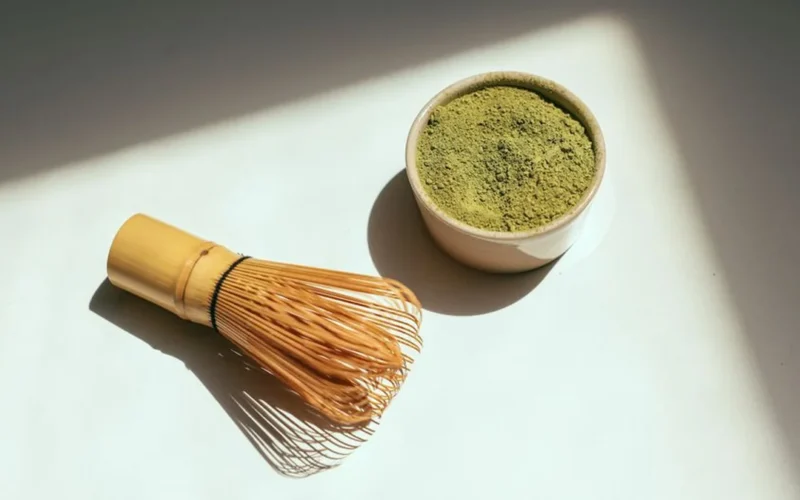
Matcha has transitioned from a niche ceremonial staple to a social media sensation, coloring everything from lattes to ice cream with its vibrant hue. But this finely ground powder derived from Camellia sinensis leaves offers far more than just aesthetic appeal. Unlike traditional steeped teas where the leaves are discarded after infusion, matcha requires consuming the entire leaf in powdered form.
matcha uses the entire leaf, which means you get a higher concentration of many of the nutrients naturally found in the plant.
Concentrated Nutrition
This method provides a significantly higher concentration of plant nutrients compared to standard tea. Registered dietitian Julia Zumpano notes that matcha uses the entire leaf, which means you get a higher concentration of many of the nutrients naturally found in the plant. Chief among these are polyphenols, a type of antioxidant linked to improved metabolism, healthier blood vessels, and reduced inflammation. By protecting cells from damage caused by free radicals, these compounds serve as a functional tool for long-term cardiovascular health.
The beverage also features a unique chemical synergy between caffeine and the amino acid L-theanine. This combination may promote calmness and focus, potentially increasing alertness without the erratic jitters often associated with coffee or energy drinks. Emerging research even suggests these specific plant compounds may support brain health and memory, though scientists continue to study the exact extent of these benefits.
The Hidden Pitfalls
Despite its advantages, matcha is not a magic bullet, and preparation can quickly undermine its profile. A significant concern lies in the sugar content of modern cafe offerings; some prepared matcha lattes contain between 20 and 50 grams of sugar. To put that in perspective, the American Heart Association recommends no more than 25 grams of sugar per day for women, or 36 grams for men. Additionally, adding dairy to your drink may actually lower the activity of certain antioxidants. For those seeking maximum nutritional impact, Zumpano suggests opting for water or plant-based milk.
Moderation remains critical because of the caffeine density. Depending on how it is prepared, a serving of matcha can contain roughly as much caffeine as an espresso shot. Because L-theanine tends to soften the stimulating effects, drinkers might inadvertently consume more caffeine than they realize. To reap the rewards, treat matcha as one component of a balanced diet rather than a standalone cure-all.
How do you balance the ritual of traditional matcha with the convenience of modern latte variations?
Questions & Answers
Why is matcha more nutritious than traditional steeped tea?
Matcha provides a much higher concentration of plant nutrients because you consume the entire tea leaf in powdered form. In traditional tea preparation, the leaves are steeped and then discarded, leaving much of the nutritional value behind. By consuming the whole leaf, you ingest a significant amount of polyphenols, which are powerful antioxidants. These compounds are essential for supporting metabolism, maintaining healthy blood vessels, and reducing inflammation throughout the body.
How does the combination of caffeine and L-theanine affect the body?
The unique chemical synergy between caffeine and the amino acid L-theanine promotes a state of calm focus and alertness. Unlike the erratic jitters often experienced with coffee or energy drinks, this combination helps provide a more stable energy boost. While scientists are still investigating the full extent of these benefits, emerging research suggests that these specific plant compounds may also support long-term brain health and memory functions.
What factors can reduce the nutritional benefits of a matcha latte?
High sugar content and the addition of dairy are the primary factors that can undermine the nutritional profile of matcha. Many cafe-prepared lattes contain between 20 and 50 grams of sugar, which significantly exceeds daily recommended limits for most adults. Furthermore, adding dairy milk to your drink may actually lower the activity of certain beneficial antioxidants. To maximize nutritional impact, it is better to prepare matcha with water or plant-based milk.
What should you consider regarding the caffeine content in matcha?
You should be mindful of the high caffeine density in matcha because a single serving can contain roughly as much caffeine as an espresso shot. While the amino acid L-theanine tends to soften the stimulating effects, drinkers may inadvertently consume more caffeine than they realize. Because of this potency, it is important to treat matcha as a single component of a balanced diet rather than a standalone health cure-all.
Originally reported by health.clevelandclinic.org.