Avatar of ADMIN@CoffeeWineTea.com

ADMIN@CoffeeWineTea.com

1390 Posts
Omaha’s Tea Smith Unearths Rare Blends from Asia’s Tea Capitals

Omaha’s Tea Smith Unearths Rare Blends from Asia’s Tea Capitals

Time to spill: Tea isn’t just a drink—it’s a gateway to cultures, flavors, and a slower way to live. For Tim Smith, owner of The Tea Smith in Omaha, that revelation came during a birthday gift hunt. What began as a casual purchase of loose-leaf tea for his wife turned into a lifelong obsession. “I brought it home, she made me taste it, and I was hooked,” he recalls. That moment sparked a journey that would take him across continents, into the heart of tea’s most revered traditions. Tea’s allure lies in its complexity, not its simplicity. Smith’s shop, nestled…
Read More
Portland’s Tao of Tea and Astoria’s Sleeper Coffee Brew a Perfect Match

Portland’s Tao of Tea and Astoria’s Sleeper Coffee Brew a Perfect Match

Pour yourself a cup for this one: In a world where coffee dominates morning rituals, a quiet revolution is brewing in Portland’s tea scene. Tao of Tea, a 30-year-old institution, is redefining how Americans engage with matcha—while Astoria’s Sleeper Coffee is proving that the green powder is more than a trend. The two are locked in a symbiotic dance, blending tradition with modern demand in a way that feels both intimate and urgent. Tao of Tea’s founder, Veerinder Chawla, started with a Himalayan trip in 1997 and a single teahouse in Portland. Today, the brand spans retail, online sales, and…
Read More
Matcha’s Caffeine: Why It Feels So Different From Coffee

Matcha’s Caffeine: Why It Feels So Different From Coffee

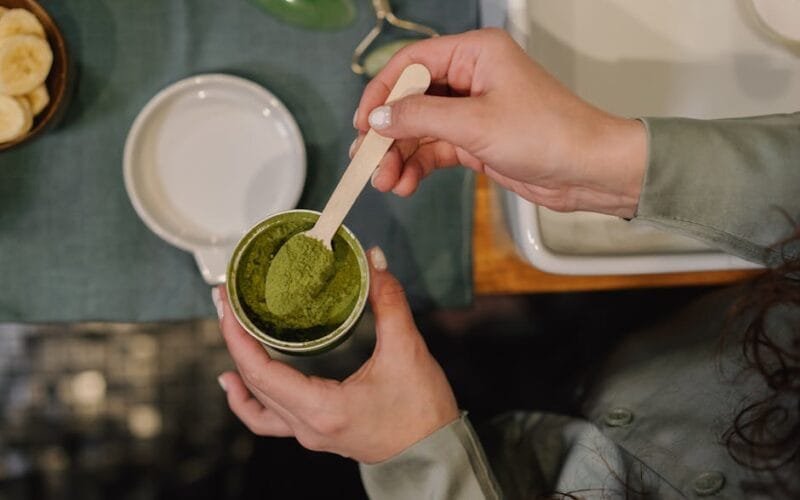
Real talk: Matcha’s caffeine isn’t just a buzzword—it’s a science-backed alternative to coffee’s crash. The idea that matcha delivers “calm alertness” without jitters has sparked debates, but research suggests there’s more to this green powder than meets the eye. Unlike coffee, which delivers a quick jolt of caffeine, matcha’s compound is absorbed more slowly, thanks to its unique preparation and composition. This gradual release might explain why some swear by its steadier energy. The magic starts with the plant. Matcha is made from shade-grown tea leaves, a practice that boosts chlorophyll and amino acids like L-theanine. These compounds work in…
Read More
Camellias, Faith, and the Tea Ceremony: A Cultural Deep Dive

Camellias, Faith, and the Tea Ceremony: A Cultural Deep Dive

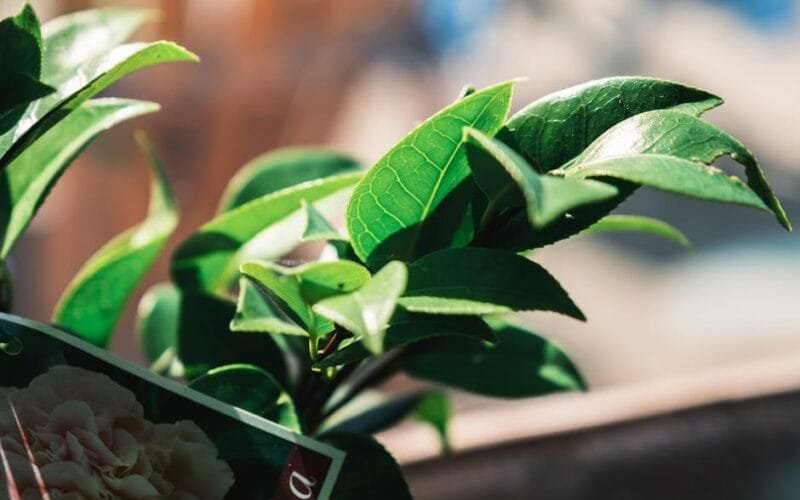
If you’ve ever marveled at the quiet resilience of camellias, you might not know they’re more than ornamental. In Japan, these flowers are steeped in history, spirituality, and a complex symbolism that bridges seasons and stories. For centuries, camellias have been woven into the fabric of Japanese culture, from ancient poetry to sacred shrines, their dual role as harbingers of spring and omens of misfortune revealing a layered narrative of reverence and caution. Camellias first appeared in Japan’s oldest texts, the Kojiki and Manyōshū, and later became central to the wagashi tradition, where their petals encased sweet rice cakes. Today,…
Read More
The Red Sun Brick: A Legacy of Menghai Ancient Tree Tea

The Red Sun Brick: A Legacy of Menghai Ancient Tree Tea

Time to spill: This brick isn’t just tea—it’s a time capsule. Crafted in 2000 by Haiwan’s founder, Mr. Zhou Bingliang, it’s a relic of a bygone era when tea was raw, unblended, and fiercely rooted in tradition. The first rinse unleashes a scent so rich it feels like stepping into a rain-soaked forest. The liquid that follows is slick, almost oily, with a flavor that lingers like a whispered secret. After two small cups, the energy hits—bold, unapologetic, and utterly addictive. This tea’s story is etched into its texture. Made entirely from Menghai Ancient Tree leaves, it’s a rarity even…
Read More
The Sweetest Battle of the Gu Shu: Round 1 of the 2026 Puer Tournament

The Sweetest Battle of the Gu Shu: Round 1 of the 2026 Puer Tournament

Real talk: The 2026 Raw Puer Tournament’s first round wasn’t just a clash of flavors—it was a masterclass in nuance. Four Gu Shu teas stepped into the ring, each bringing a distinct flavor profile that tested the palate’s ability to parse complexity. The stakes? A spot in the next round, and the bragging rights of being crowned the season’s standout. The Yunnan Sourcing Da Qing Gu Shu stole the show with its immediate sweetness, a bright, almost effervescent quality that coated the gums and palate like a whisper of berries and florals. It’s the kind of tea that lingers in…
Read More
The Lingering Question: Why Does Mandarin Shou Taste Like Black Pepper?

The Lingering Question: Why Does Mandarin Shou Taste Like Black Pepper?

The verdict is in: Mandarin Shou Puerh isn’t supposed to taste like black pepper. At least, not in the way this tea lover is experiencing it. A recent brew delivered a punch of black pepper so intense it felt like a spice rack had exploded in the cup, accompanied by antiseptic undertones and a medicinal edge. The tea’s supposed citrusy notes were drowned out, leaving the drinker questioning whether they’d accidentally purchased a bottle of indomie or a misunderstood vintage. Mandarin Shou’s reputation hinges on its earthy, mellow profile—think aged wood, damp soil, and a subtle sweetness. But this tea’s…
Read More
The Aged Puer That Brews Like Espresso

The Aged Puer That Brews Like Espresso

Here’s a revelation that’ll make you rethink your coffee routine: a 2020 batch of Yunnan Sourcing Menghai “Gong Ting” Tippy Grade puer has aged into something startlingly close to espresso. Six years of patience transformed this loose-leaf ripe puer from a clean, woodsy sip into a velvety brew with coffee-like depth. The shift isn’t subtle—it’s a full-blown evolution, blending earthy complexity with a creamy texture that mirrors the crema of a well-pulled shot. Brewed in a jianshui clay pot at 200°F, the tea’s journey unfolded in layers. The first steep revealed a mellow base, but by the fifth infusion, the…
Read More
Crimson Lotus Tea’s Banpen Big Tree Raw Puer: A Bright, Youthful Masterclass

Crimson Lotus Tea’s Banpen Big Tree Raw Puer: A Bright, Youthful Masterclass

Time to spill: This 3-year-old raw puer is brighter than most of its peers, and it’s not holding back. The tea unfolds with a crisp, almost playful energy—think citrus, leather, and a whisper of green pepper—that feels refreshingly unburdened by the weight of age. It’s the kind of raw puer that doesn’t just sip; it engages, offering layers that shift with each steep. The first steep delivers a light, almost deceptive sweetness, with notes of lemon oil and faint fruitiness that hint at deeper complexity. But don’t let the initial sip fool you—the tea’s true character emerges in the middle…
Read More
The Raw Puer Tournament: A Clash of Mountains in Round 1

The Raw Puer Tournament: A Clash of Mountains in Round 1

In the first round of the Raw Puer Tournament, the clash of mountain-grown teas reveals a world where subtlety reigns supreme. These raw puerh entries—crafted from high-altitude leaves—offer a delicate dance of earthiness, spice, and fleeting sweetness, each one a testament to the terroir of its origin. While none deliver a bold, aggressive punch, they excel in nuance, balancing bitterness and sweetness with precision. The Mansa Bitterleaf, for instance, opens with hay and straw, its menthol coolness lingering like a whisper, while the You Le Shan smolders with sandalwood and tobacco, its smokiness dominating without overwhelming. The Mansa Bitterleaf is…
Read More