Avatar of ADMIN@CoffeeWineTea.com

ADMIN@CoffeeWineTea.com

1914 Posts
Southern Oregon Vineyard Adds Disclaimer to Orange Wine Amid Confusion

Southern Oregon Vineyard Adds Disclaimer to Orange Wine Amid Confusion

⏱ 1 min read The Short Version A Southern Oregon vineyard now adds a disclaimer to its orange wine, clarifying it’s made from grapes, not oranges, amid consumer confusion and evolving beverage terminology. The term “orange wine” sparks debate as it blurs traditional definitions. In This Article Fermentation’s Unlikely DetourLavender, Wine, and the Art of Sipping Federal regulators compelled a Southern Oregon vineyard to include a disclaimer on its orange wine following concerns that consumers might confuse it with a fruit-based beverage. Dos Mariposas Vineyards, renowned for its lavender fields, now labels its sparkling Mariposa Naranja with a detailed clarification:…
Read More
Long Jing Zhejiang: A Green Tea That Defies Expectations

Long Jing Zhejiang: A Green Tea That Defies Expectations

⏱ 1 min read The Short Version Long Jing Zhejiang defies green tea norms with its crisp, vegetal bitterness and caffeine punch, blending tradition and modernity in a drink that’s both culturally rich and surprisingly accessible. In This Article Sensory ContradictionsCultural Resonance China’s green tea scene is evolving, and Long Jing Zhejiang is leading the charge. This unassuming leaf defies the usual playbook—no rubbery aftertaste, no obsession with 200°F water. Its flavor profile is nuanced: a gentle sweetness upfront, followed by a crisp, vegetal bitterness that lingers like a whispered secret. Brewed for 4 minutes as instructed, it delivers a…
Read More
Tokyo’s Tea Fields Bet on Matcha’s Global Appeal

Tokyo’s Tea Fields Bet on Matcha’s Global Appeal

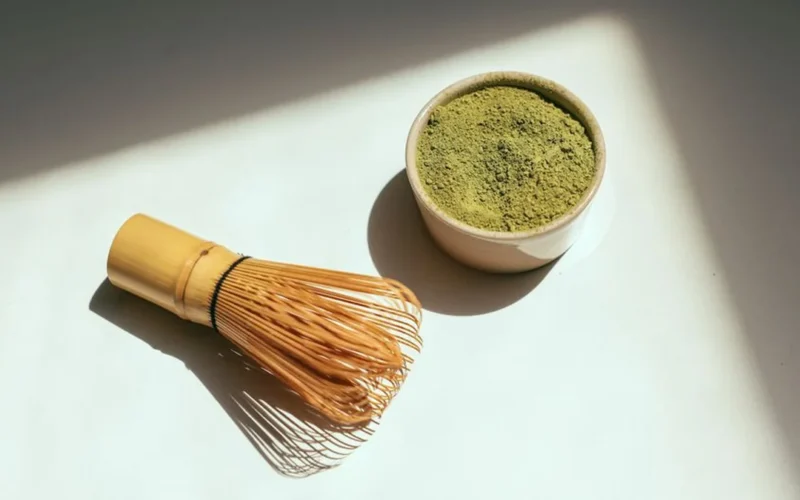
⏱ 1 min read The Short Version Tokyo’s tea fields are pivoting from sencha to matcha to meet global demand, betting on the powdered tea’s rising popularity to revitalize a struggling industry. In This Article Sencha’s Decline, Matchs’s RiseA Production Shift with Far-Reaching Impacts Get ready to sip on this: Tokyo’s tea fields are shifting from sencha to matcha, driven by a surge in international demand for the powdered tea. As urban development threatens traditional tea farms, the capital’s government is betting that matcha’s global appeal can revitalize the industry. The move is more than a survival tactic—it’s a strategic…
Read More
Hermitage La Chapelle: A Vintage That Defied Expectations

Hermitage La Chapelle: A Vintage That Defied Expectations

⏱ 1 min read The Short Version A 1978 Hermitage La Chapelle defied expectations, revealing layers of complexity and depth over time, offering a quiet, contemplative experience unlike its more celebrated counterparts. In This Article A Blind Spot in Wine LoreThe Unfolding of a Forgotten Masterpiece This bottle didn’t just open—it transformed my perspective on Hermitage. The 1978 vintage, long overlooked in the annals of wine history, proved to be a revelation. While I had long admired the 1990 and 1961 vintages, the 1978 had been buried beneath their legacy. But when it finally revealed itself, it was unlike anything…
Read More
Degassing Coffee: Why Waiting Matters

Degassing Coffee: Why Waiting Matters

⏱ 1 min read The Short Version Roasted coffee needs 24–48 hours to release trapped gases, enhancing flavor and aroma, as sealing too soon traps bitterness and dulls acidity. Degassing is key to unlocking a coffee’s true taste. In This Article Letting the Beans BreatheWhen to Cup: The Goldilocks Zone Real talk: Coffee’s first breath after roasting isn’t just a ritual—it’s a science. The notion that roasted beans require 24 hours of air exposure before sealing is rooted in chemistry, not tradition. Degassing is the process by which coffee releases carbon dioxide trapped during roasting, and it directly affects flavor…
Read More
Japanese Roasters Are Soaking Green Beans to Unlock Cleaner Roasts

Japanese Roasters Are Soaking Green Beans to Unlock Cleaner Roasts

⏱ 1 min read The Short Version Japanese roasters are soaking green beans to remove impurities, resulting in cleaner, more consistent roasts by eliminating fermentation residue and dust. The method challenges tradition, prioritizing control over convention with measurable flavor improvements. In This Article The Science of Surface ImpuritiesA Shift in Roasting Philosophy Real talk: A Japanese roaster is washing green beans before roasting, and it’s sparking debate. The method? Soak for 20 minutes, then dehydrate at 35°C to restore original moisture levels. The goal? To remove surface impurities that linger from fermentation residue and dry mill dust. It’s a bold…
Read More
KS Soumei no Mukashi: A Matcha That Defies Expectations

KS Soumei no Mukashi: A Matcha That Defies Expectations

⏱ 1 min read The Short Version Kanbayashi Shunsho’s Soumei no Mukashi matcha defies expectations with its umami-rich, bitterness-free profile, offering a smooth, creamy balance that feels indulgent yet refined. In This Article Umami and Vegetal Notes Take Center StageSmooth, Creamy, and Balanced Matcha lovers, this one’s a revelation. Kanbayashi Shunsho’s Soumei no Mukashi isn’t just another green powder—it’s a masterclass in restraint, where umami and mellow vegetal notes dominate without a trace of bitterness. Brewed as usucha, it leans into earthy depth, while the latte version balances sweetness and creaminess in a way that feels almost indulgent. The ratio—4g…
Read More
Development Time Isn’t the Only Variable in Roasting Consistency

Development Time Isn’t the Only Variable in Roasting Consistency

⏱ 1 min read The Short Version Roast consistency hinges on temperature control and bean-specific adjustments, not just development time. Grind uniformity depends on how heat interacts with each bean’s unique composition. In This Article Development Time and Temperature ControlProfile Consistency vs. Bean Specificity This might just shift your focus: Relying solely on development time to resolve grind inconsistency is missing the bigger picture. The real issue lies in how temperature, bean origin, and profile adjustments collectively influence the final grind. The grind consistency you seek isn’t about time—it’s about how heat interacts with each bean’s distinct composition. Development Time…
Read More
Green Coffee’s Weighty Secret: Why Roasting Reduces Your Yield

Green Coffee’s Weighty Secret: Why Roasting Reduces Your Yield

⏱ 1 min read The Short Version Roasting a pound of green coffee yields less than 12 ounces, revealing a 20% weight loss that impacts cost, quantity, and sustainability. This hidden cost reshapes how coffee is priced and valued. In This Article The Weight Gap: Green vs. Roasted CoffeeEconomic Implications of Roasting Loss This could redefine how you think about coffee: Roasting a pound of green coffee results in less than 12 ounces of roasted beans. The transformation isn’t just about flavor—it’s a measurable shift in weight, with moisture and structure lost in the process. A five-pound bag of green…
Read More
Bordeaux Tasting for Non-Wine Pros: Lessons from a Decant-Heavy Night

Bordeaux Tasting for Non-Wine Pros: Lessons from a Decant-Heavy Night

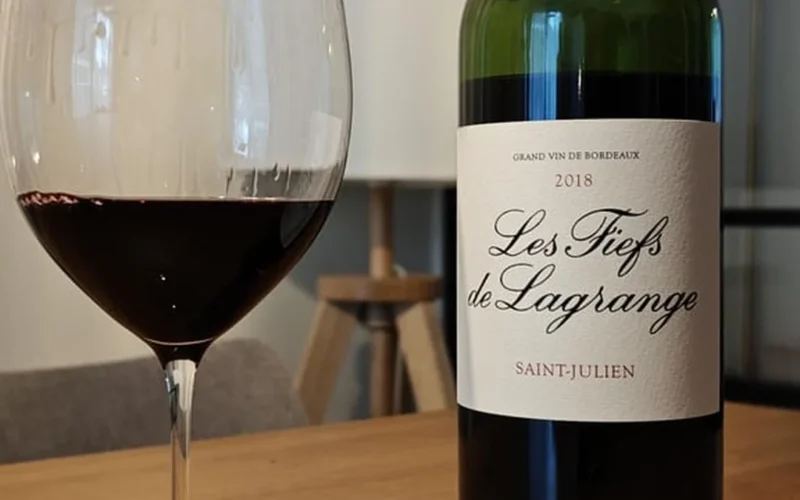
⏱ 1 min read The Short Version A decant-heavy Bordeaux tasting revealed how time and technique unlock a wine's true character, transforming skeptics into connoisseurs through the alchemy of terroir and patience. In This Article Decanting as a Silent ArtThe Alchemy of Time and Terroir This is worth savoring: A Bordeaux tasting for non-wine pros became a lesson in patience, revealing how time and technique can unlock a wine’s true voice. The setup was straightforward—three flights of two wines each, semi-blind with appellations and notes—but the results were transformative. Attendees engaged with the mystery, speculating on vintages and learning to…
Read More