⏱ 1 min read
The Short Version
A 10-year-old recreated a barista’s coffee ritual through weeks of observation, mastering technique without instruction. His precise, imperfect cup proves coffee skills are learnable—even by kids.
In This Article
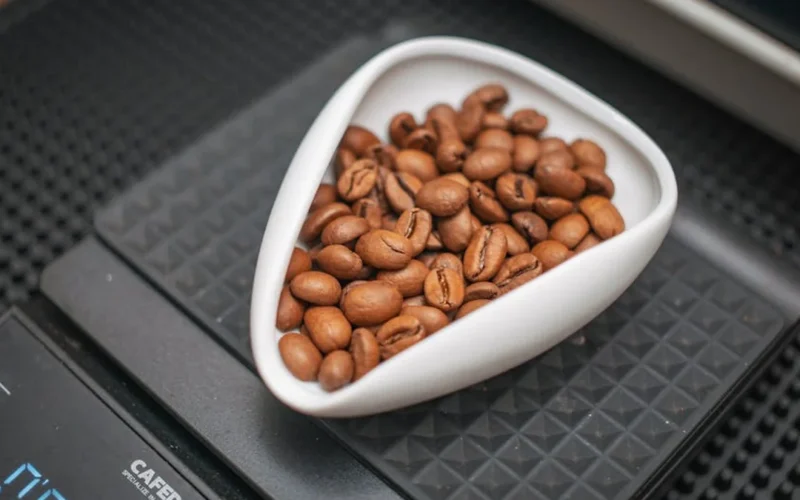
A 10-year-old’s coffee ritual is rewriting the rules of barista training. Last night, my son—not a professional barista—crafted a cup using my GCP, taring scales, grinding beans, and tamping with a normcore tamper. He didn’t just mimic; he recreated the process, down to the timing and water flow. The result? A drinkable cup, imperfect but impressive, made by a child who’d spent weeks watching me work.
He measured the grounds, distributed them evenly, and tamped with both hands, though his strength wasn’t enough to fully compress the dose.
The Art of Watching
Children absorb routines like sponges. My son didn’t ask for instructions—he observed, then acted. He measured 18g of coffee, adjusted the grind, and tamped with both hands, even if his strength fell short. His precision was uncanny for a kid his age. The GCP, usually a tool for pros, became his canvas. He spilled a gram, cleaned it up, and moved on. This isn’t just mimicry; it’s the first step toward mastery.
The Unspoken Curriculum
Coffee-making isn’t just about beans and water. It’s about timing, pressure, and the quiet discipline of repetition. My son learned these lessons by watching, then applying them. He didn’t need a manual—just a few hours of observation. The real skill lies in the ability to internalize technique without explicit guidance. His cup wasn’t perfect, but it was proof that coffee’s rituals are learnable, even for kids.
He measured the grounds, distributed them evenly, and tamped with both hands, though his strength wasn’t enough to fully compress the dose.
This kind of observational learning can foster a lifelong appreciation for craftsmanship and attention to detail in children. It’s not just about replicating a process—it’s about understanding the intent behind it.
What if your kid could make a better cup than you? Would you let them?
Questions & Answers
How does observational learning help kids master coffee-making?
Observational learning allows kids to absorb techniques by watching, not being told. The 10-year-old recreated the coffee process, from measuring to tamping, by observing his parent. His precision and persistence showed how watching can lead to skill development, even without direct instruction.
Why is the child’s coffee ritual significant for barista training?
The child’s ritual highlights how observation can replace formal training. By mimicking the process, he demonstrated an understanding of timing, pressure, and technique. This shows that coffee-making skills are learnable through repetition and attention to detail, even for young learners.
Can children really replicate barista techniques without guidance?
Yes, children can replicate barista techniques through observation and practice. The 10-year-old used taring scales, measured grounds, and tamped with both hands, showing he internalized the process. His efforts prove that kids can develop coffee-making skills without explicit instruction.
What does the child’s coffee ritual reveal about learning?
The child’s ritual reveals that learning can happen through immersion and mimicry. He absorbed the coffee-making process by watching, then applied it with care. His actions show that attention to detail and repetition can lead to mastery, even in complex tasks like barista work.
Originally reported by Reddit Espresso.