⏱ 2 min read
The Short Version
When every bottle carries a minimum $500 price tag, structure triumphs over raw power. While high-octane Napa cult wines offer undeniable intensity, legendary Bordeaux estates remain the superior investment for those seeking timeless elegance and decades of aging potential.
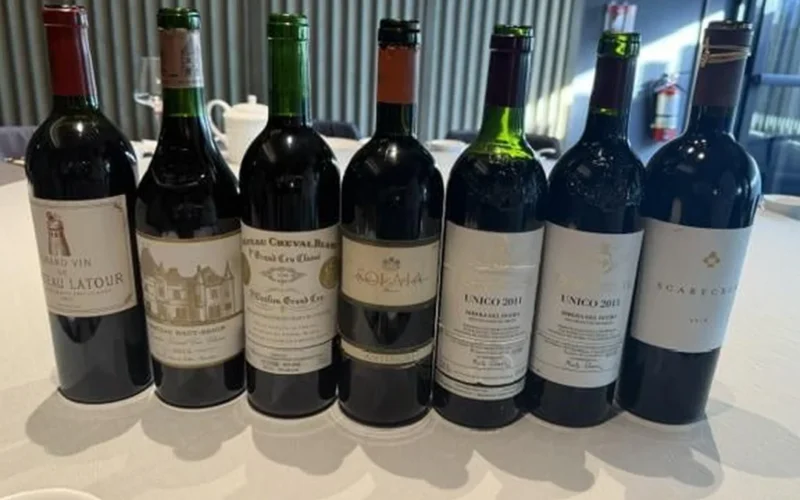
Consider this your briefing on what happens when a wine group removes the ceiling. There was no specific theme at our latest monthly dinner, only one rule: every bottle must carry a minimum $500 price tag. The resulting flight offered a rare glimpse into how prestige evolves across decades and terroirs, spanning everything from legendary Bordeaux estates to muscular Spanish icons.
It delivered a supple, elegant taste defined by jammy black fruits, leather, and truffles.
The longevity of old vines
The aging potential of these bottles remains the primary driver of their value. We opened a 1986 Solaia that defied its age, presenting layers of cherry, forest floor, and leather with tannins so integrated they felt effortless. It still tastes remarkably fresh for a forty-year-old vintage, suggesting another decade of life is well within reach. In contrast, the 2001 Latour provided a masterclass in elegance, offering a deep ruby hue and an expansive nose of blackcurrant, vanilla, and smoky oak. It delivered a supple, elegant taste defined by jammy black fruits, leather, and truffles. Even the younger 2019 Haut Brion showed immense promise, balancing ripe tannins with enough acidity to signal it will be a legend in twenty years.
Regional tension and stylistic shifts
Comparing vintages often reveals more about a producer’s evolution than a single bottle ever could. This was most evident when we pitted two different eras of Vega Sicilia Unico against one another. While the 2011 arrived as a muscular force characterized by plum and sandalwood, the 2015 offered a silkier, more expressive profile of cherry and cedar. The group was split down the middle on which era reigned supreme, yet both were expected to age gracefully for decades. We also explored the high-octane intensity of the 2018 Scarecrow from Napa. Though its red fruit aromatics and massive finish were undeniable, the sheer intensity of the alcohol made the classic Bordeaux selections feel like a more reliable investment at this price point. It is a reminder that even in the stratosphere of luxury wine, structure often triumphs over raw power. Which do you value more in an aged vintage: the polished elegance of a mature Bordeaux or the concentrated power of a modern Napa cult wine?
Questions & Answers
What factors determine the value and longevity of prestige wines?
The aging potential of a bottle is the primary driver of its market value. High-end wines are valued for their ability to evolve over decades through complex shifts in flavor and texture. For example, a 1986 Solaia can maintain remarkable freshness even after forty years by offering integrated tannins and layers of cherry and leather. This capacity for long-term development ensures that prestigious bottles remain relevant and desirable for collectors as they age gracefully over time.
How do different vintages of Vega Sicilia Unico compare in style?
Different vintages of Vega Sicilia Unico demonstrate how a producer's style can evolve from muscularity to silkiness. The 2011 vintage is characterized as a powerful, muscular wine featuring prominent notes of plum and sandalwood. In contrast, the 2015 vintage offers a much more expressive and silky profile defined by cherry and cedar. These stylistic shifts show that while both eras are expected to age well, they provide very different sensory experiences for the drinker.
Why might Bordeaux wines be considered safer investments than Napa cult wines?
Bordeaux wines often offer more reliable investment potential because their structural elegance tends to triumph over the raw power found in modern Napa selections. While high-octane Napa wines like the 2018 Scarecrow provide massive finishes and intense red fruit aromatics, the sheer intensity of alcohol can be overwhelming. Classic Bordeaux selections typically prioritize a balanced structure that provides more long-term stability for collectors looking to preserve value in the luxury wine stratosphere.
What flavor profiles are typical of an aged Latour vintage?
An aged Latour is defined by an expansive nose and a profile of deep, complex flavors. A notable example is the 2001 vintage, which presents a deep ruby hue accompanied by scents of blackcurrant, vanilla, and smoky oak. On the palate, this wine delivers a supple and elegant taste characterized by jammy black fruits, leather, and truffles. These characteristics showcase the masterclass in elegance that high-end Bordeaux estates can achieve through careful aging.
Originally reported by Reddit Wine.