⏱ 1 min read
The Short Version
Decades of aging have transformed this 1995 green pu-erh from raw, forest-driven aromatics into a polished masterclass of zero astringency and silkiness. It evolves seamlessly from damp, mineral notes into an unexpectedly intense stone fruit sweetness that persists through even the seventh steep.
In This Article
Forget the pretension; true depth often hides in the simplest vintages. This 1995 green pu-erh is a masterclass in transformation, proving how decades of aging can refine raw, forest-driven aromatics into something remarkably polished. It bypasses the bitterness of youth, delivering a profile that feels simultaneously ancient and revitalizing.
A Forest After Rain
The initial aroma evokes a dense woodland floor immediately following a heavy downpour. Notes of wet wood and damp stone ground the experience without any hint of decay. [The profile delivers a crisp, camphor-like sensation that cleanses the palate upon swallowing.] This isn’t a medicinal sting, but rather a subtle brightness that sharpens the senses.
Texture and Evolution
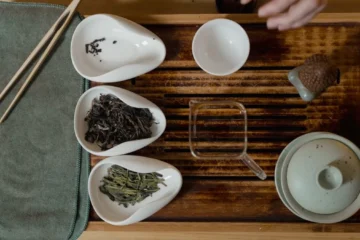
To unlock this vintage’s full potential, use 95°C water in a high-fired Yixing clay teapot to maintain steady thermal mass. The liquor maintains a thick mouthfeel from the first wash through the sixth steep, never thinning out or losing its character. While early rounds focus on damp, mineral notes, the tea shifts as the session progresses. By the seventh infusion, the sweetness becomes unexpectedly intense.
As you move deeper, heavy forest notes yield to delicate stone fruit and lingering woody undertones. There is zero astringency to speak of, allowing the transition from earthy to sweet to feel seamless rather than jarring. It achieves a rare balance of structural density and silkiness.
Do you prefer your aged pu-erh to lean into heavy earthiness or more fruit-forward sweetness?
Questions & Answers
What does a 1995 green pu-erh taste like?
A 1995 green pu-erh offers an earthy and sophisticated profile characterized by notes of wet wood, damp stone, and forest aromatics. As the tea undergoes multiple infusions, the flavor evolves from these initial mineral notes into delicate stone fruit and lingering woody undertones. This specific vintage is notable for its lack of bitterness or astringency, providing a seamless transition from deep, forest-driven flavors to an unexpected and intense sweetness by the seventh steep.
How should you brew aged green pu-erh for the best results?
To unlock the full potential of this vintage, you should use water heated to 95°C and brew it in a high-fired Yixing clay teapot. Using these specific tools helps maintain the steady thermal mass required for an optimal steeping process. Following this method ensures that the liquor maintains a thick mouthfeel from the very first wash through at least the sixth infusion, preventing the tea from thinning out or losing its complex character too early.
Why does the flavor of aged pu-erh change during a tea session?
The flavor changes because the tea undergoes a natural evolution through successive infusions, shifting from heavy earthy notes to sweeter profiles. While the initial rounds focus on damp, mineral qualities and forest aromas, the character transitions as the session progresses deeper into the leaves. By the time you reach the seventh infusion, the profile shifts significantly, moving away from woodland scents toward an intense sweetness and delicate stone fruit notes that provide a balanced experience.
What sensory experience does the aroma of this tea provide?
The aroma provides a sensation similar to a dense woodland floor immediately following a heavy rainstorm. It features prominent notes of wet wood and damp stone that ground the drinking experience without any unpleasant scents of decay. Additionally, the profile delivers a crisp, camphor-like sensation that serves to cleanse the palate upon swallowing. This subtle brightness helps to sharpen the senses rather than providing a harsh or medicinal sting.
Originally reported by Reddit Tea.