⏱ 2 min read
The Short Version
By prioritizing Burgundian clones over sheer volume, Gusbourne Estate trades fruity breadth for a lean, mineral-driven architecture. This high-stakes strategy leverages Kent’s volatile climate to produce sparkling wines defined by structural rigor and electric tension.
In This Article
The center of gravity for premium sparkling wine is shifting away from the traditional hubs and toward the Kent countryside. Just a short trip from London, Gusbourne Estate has evolved far beyond its 2004 origins to become a formidable force in traditional method production. While many producers struggle with the volatility of a marginal climate, this estate leans into the tension.
Precision through Burgundian clones
The estate’s viticultural strategy is deliberate and high-stakes. By selecting Burgundian clones for more than half of their plantings, the team prioritizes concentration over sheer volume. This choice creates a profile that differentiates Gusbourne from its peers; where some English competitors lean into broader, fruitier profiles, or Champagne delivers its signature creamy weight, Gusbourne’s reliance on these specific clones produces a leaner, more mineral-driven structure. [This structural rigor provides the backbone for a wine that feels both architectural and alive.] This tension results in a distinct electricity that softer climates often struggle to replicate.
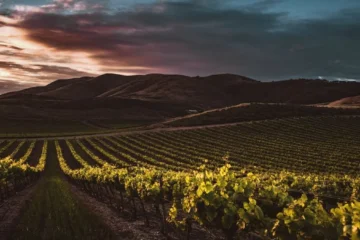
The landscape itself tells a story of reclaimed land, once part of the coastline but now sitting ten kilometers from the sea. The operation balances rigorous science with seasonal intuition across its 60 hectares. From the technical management of frost-mitigation fans to the meticulous blending process, the estate operates with a singular focus on long-term viticultural excellence.
The evolution of house style
Recent releases confirm that Gusbourne is finding its stride. The 2020 Blanc de Blancs showcases a relentless drive, while the 2020 Rosé manages to marry finesse with significant depth. Even the base wines from the upcoming 2025 vintage suggest that the estate’s traditional method approach is yielding consistent excellence. This isn’t just about making bubbles; it is about expressing a specific sense of place through highly disciplined winemaking.
The experience concludes at The Nest, where the architecture integrates seamlessly with the vineyard views. Here, the focus shifts to how these wines interact with food, emphasizing freshness and acidity. At Gusbourne, the excitement lives exactly at the climatic margin, proving that English sparkling wine has officially arrived on the global stage.
Do you think the marginal climate of England is its greatest weakness or its most defining strength?
Questions & Answers
What makes the wine profile of Gusbourne Estate unique?
Gusbourne Estate produces a leaner and more mineral-driven structure compared to many of its English competitors. This distinct style is achieved by selecting Burgundian clones for more than half of their vineyard plantings to prioritize concentration over volume. While other producers may lean into broader fruitier profiles, this specific viticultural choice creates an architectural tension and a sense of electricity in the wine that is difficult to replicate in softer climates.
How does Gusbourne Estate manage its viticulture in the Kent countryside?
The estate manages its 60 hectares by balancing rigorous scientific methods with seasonal intuition to navigate a volatile climate. To protect their crops, the team utilizes technical management tools such as frost-mitigation fans across their reclaimed coastal land. This disciplined approach to both technical management and meticulous blending allows the estate to maintain long-term viticultural excellence despite being situated in a marginal growing environment just ten kilometers from the sea.
Why does Gusbourne Estate use Burgundian clones in its vineyards?
Gusbourne Estate utilizes Burgundian clones to prioritize concentration and structural rigor over high production volumes. By incorporating these specific clones into more than half of their plantings, the estate creates a wine profile characterized by mineral-driven structure rather than simple fruitiness. This strategic selection provides the necessary backbone for their traditional method sparkling wines, allowing them to express a specific sense of place through highly disciplined and precise winemaking techniques.
What are some examples of recent Gusbourne Estate releases?
Recent releases from the estate include the 2020 Blanc de Blancs and the 2020 Rosé. The 2020 Blanc de Blancs is noted for its relentless drive, while the 2020 Rosé successfully marries finesse with significant depth. Additionally, the base wines from the upcoming 2025 vintage indicate that the estate's traditional method approach continues to yield consistent excellence and demonstrates their ability to express a specific sense of place through their evolving house style.
Originally reported by The Buyer.