⏱ 1 min read
The Short Version
During Lunar New Year, southern Chinese homes transform tea into a ritual of connection, where gong fu brewing becomes a silent yet profound exchange of tradition, status, and hospitality.
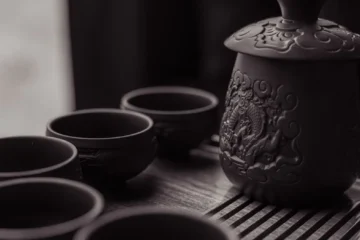
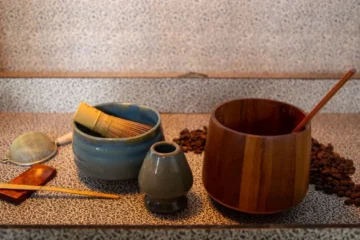
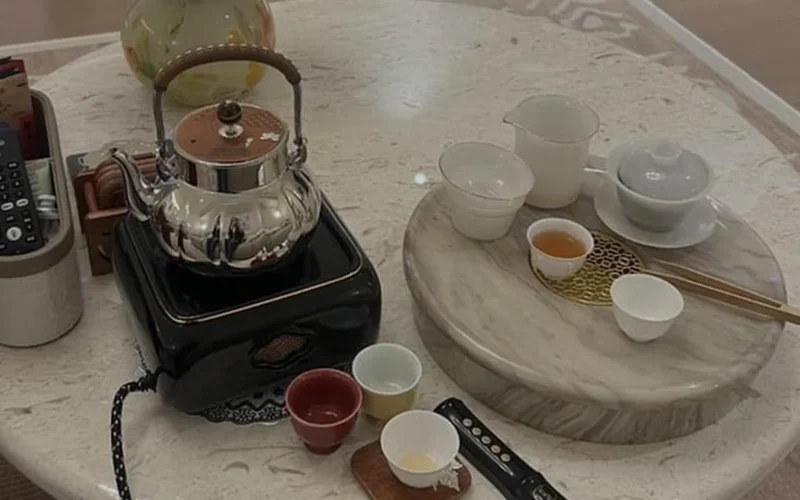
There’s a ritual in southern China that transforms tea into a shared rhythm. Every home I visited during the Lunar New Year featured a gong fu set—clay pots, small cups, and a process that turned tea into a communal event. It wasn’t about drinking; it was about the precision of pouring, the way steam rose steadily, and how each guest became an active participant.
The tea culture and quality in China are unparalleled.
The Setup: A Tea Ritual in Every Home
The setup was intentional: a low table, a pot of dark roast, and cups passed like symbols of trust. Guests took them back again and again, each pour revealing layers of caramel, smoke, and earth. It wasn’t about quantity—it was about the interplay of time and heat. The tea’s depth unfolded gradually, a subtle contrast to the simplicity of a single steep.
Beyond the Cup: Tea as Cultural Currency
This wasn’t just a drink; it was a form of communication. The way tea was prepared, shared, and consumed conveyed unspoken messages about tradition and hospitality. In southern households, the ritual was a silent exchange between host and guest, a way to mark time and connection. The quality of the tea—often aged or hand-picked—revealed the family’s pride, a quiet marker of status without ostentation.
The tea culture and quality in China are unparalleled. What does it mean when a nation’s traditions are steeped in such quiet precision? How does the Lunar New Year ritual reflect shifting social hierarchies or generational attitudes toward tradition and modernity?
Questions & Answers
How is gong fu tea prepared during Lunar New Year in southern China?
Gong fu tea is prepared using a clay pot and small cups, emphasizing precision in pouring. The process involves multiple rounds of steeping, with each pour revealing layers of flavor. The ritual transforms tea into a shared experience, highlighting the interplay of time and heat to unlock the tea’s depth.
What role does tea play in southern Chinese Lunar New Year traditions?
Tea serves as a form of cultural currency during Lunar New Year, conveying messages about tradition and hospitality. It fosters connection between host and guest through silent exchange. The quality of the tea often reflects family pride, marking status subtly without extravagance.
Why is the gong fu tea ritual significant beyond just drinking tea?
The ritual is significant because it transforms tea into a communal event, emphasizing participation and shared experience. It conveys unspoken messages about tradition and hospitality, creating a meaningful link between generations. The process highlights the artistry and patience behind tea preparation.
How does the Lunar New Year tea ritual reflect cultural values?
The Lunar New Year tea ritual reflects cultural values through its emphasis on precision, tradition, and connection. It symbolizes trust and hospitality as cups are passed among guests. The ritual also subtly communicates status through tea quality, showcasing pride without overt display.
Originally reported by Reddit Tea.