

⏱ 1 min read
The Short Version
Forget the concentrated punch of espresso; filter coffee is rewriting the specialty script by offering unparalleled flavor transparency. By trading intensity for granular clarity, new precision brewing technologies allow roasters to showcase delicate terroir and complex processing with absolute consistency.
In This Article
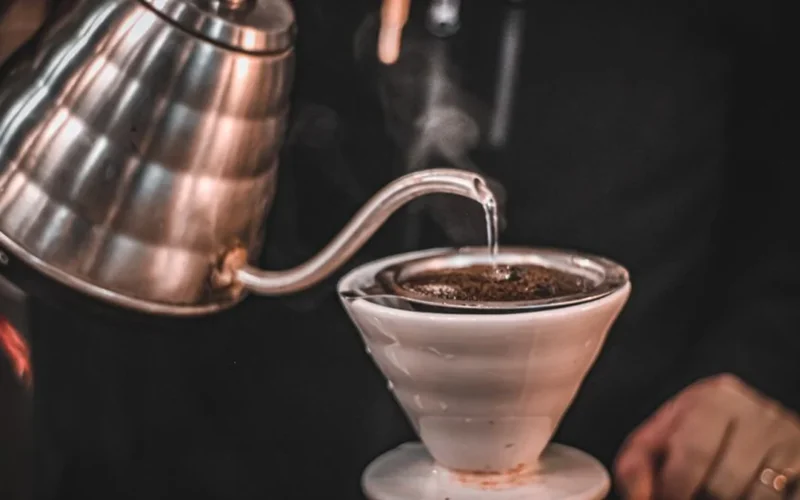
This is worth savoring: while espresso defined the first wave of modern café culture, filter coffee is currently rewriting the specialty script. It has moved far beyond its reputation as a basic household staple to become the primary medium for flavor expression. For roasters looking to showcase the nuances of a specific origin or processing method, the paper filter offers something an espresso machine cannot: absolute transparency.
Because the concentration is lower, it becomes easier to recognise the coffee’s acidity, florality, sweetness, and processing characteristics individually.
The Architecture of Flavor
The fundamental difference lies in how we perceive chemical complexity. Espresso provides intensity, body, and a concentrated punch, but that very density can often compress delicate notes into a single, overwhelming sensation. In contrast, the lower concentration found in filter brewing allows for a more granular sensory experience. Because the concentration is lower, it becomes easier to recognise the coffee’s acidity, florality, sweetness, and processing characteristics individually. This makes it the ideal tool for highlighting terroir, allowing a light-roasted Ethiopian washed coffee to sing with clarity rather than being buried under heavy oils.
Precision at Scale
Historically, the challenge with filter coffee was consistency—manual pour overs are notoriously susceptible to human error in pouring height, agitation, and timing. However, new technology is bridging the gap between artisanal quality and high-volume service. Systems like 3TEMP allow operators to treat brewing as a precise language rather than just a technique, utilizing multi-step temperature curves to manage everything from pre-brew to final extraction. This level of control means a café can now offer complex, heavily fermented anaerobic coffees with the same reliability they expect from their espresso program. This technical evolution has also unlocked significant menu versatility. Filter methods are no longer restricted to hot morning rituals; they serve as the sophisticated foundation for iced pours, cold brews, and even highly controlled concentrates. By mastering these variables, cafés can move away from a single-style house menu toward a diversified program that adapts to any climate or time of day. Do you prefer your specialty coffee through the intense lens of an espresso shot or the transparent clarity of a pour over?
Questions & Answers
Why is filter coffee preferred for tasting specific coffee origins?
Filter coffee is preferred for tasting specific origins because it offers absolute transparency and clarity of flavor. Unlike espresso, which provides a concentrated and dense sensation that can compress delicate notes, the lower concentration in filter brewing allows for a more granular sensory experience. This makes it much easier for drinkers to recognize individual characteristics such as acidity, florality, and sweetness. This method is particularly effective for highlighting terroir in light-roasted coffees without burying subtle nuances under heavy oils.
How does espresso differ from filter coffee in terms of flavor perception?
Espresso differs from filter coffee by prioritizing intensity and body over delicate flavor transparency. While espresso delivers a concentrated punch, its high density can often overwhelm the subtle nuances of a coffee bean. In contrast, filter coffee uses a lower concentration to provide a more detailed sensory profile. This allows the drinker to distinguish specific processing characteristics and complex chemical components that might otherwise be lost in the heavy, intense profile of a traditional espresso shot.
What technology helps maintain consistency in professional filter coffee brewing?
New brewing systems like 3TEMP help maintain consistency by treating the brewing process as a precise language rather than just a manual technique. These systems allow café operators to use multi-step temperature curves to manage everything from the initial pre-brew stage to the final extraction. By utilizing this level of technical control, cafes can overcome the traditional challenges of human error associated with manual pour overs. This ensures that even complex, heavily fermented coffees are served with the same reliability as espresso.
How can cafés use filter coffee to diversify their beverage menus?
Cafés can diversify their menus by using filter coffee methods as a sophisticated foundation for various drink styles beyond hot pours. Filter brewing provides the technical versatility needed to create high-quality iced pours, cold brews, and highly controlled concentrates. By mastering these different variables, a coffee program can move away from a single-style house menu. This allows the establishment to adapt its offerings to different climates, times of day, and consumer preferences through a more varied beverage selection.
Originally reported by Perfect Daily Grind.


[…] day, the statistical advantage began to taper off. It appears there is a biological window where coffee provides maximum utility, after which the incremental benefits diminish. This pattern extends to tea as well, though high […]
[…] of high-end tools; it is a precision-engineered system where every component must communicate. As specialty coffee knowledge trickles down from competition stages to domestic kitchens, consumers are no longer satisfied with […]