

⏱ 1 min read
The Short Version
Forget formal dining rituals; rising global temperatures are driving consumers to trade heavy reds for refreshing, effervescent spritzes. From elderflower twists to red wine and cola, this shift toward casual, standalone refreshment is reshaping how even traditional still wine producers play the game.
In This Article
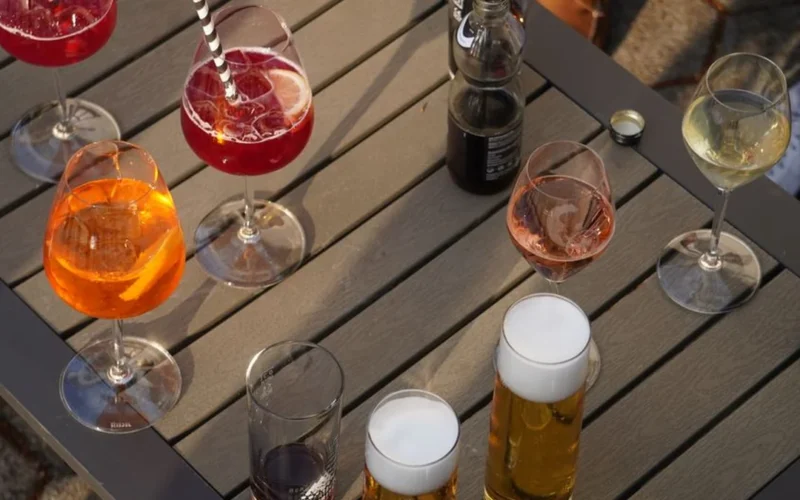
Let’s talk about why every terrace and patio feels like an Aperol-soaked fever dream lately. The surge in spritz popularity isn’t just a fleeting trend; it is a response to shifting climates and changing social habits. As summer temperatures climb toward extremes, consumers are trading heavy Napa Cab for something tall, cold, and highly effervescent. The spritz boom has done no harm to sparkling wine producers, even as it competes for glass space.
The spritz boom has done no harm to sparkling wine producers, even as it competes for glass space.
Shifting Drinking Rituals
We are witnessing a fundamental move away from wine as a formal meal accompaniment. As dining traditions evolve, wine is increasingly treated as a standalone refreshment rather than a structured course. This shift favors drinks that prioritize hydration and ease of service. In the UK, this evolution is already visible as the elderflower-based Hugo Spritz begins to eclipse the classic Aperol version in sales. Even the service model is changing; companies are now experimenting with draft spritzes dispensed from canisters, bringing the cocktail into stadiums and high-traffic casual venues.
Integrating Still Wines
While the orange hue of Aperol dominates social media, still wine producers are finding ways to join the party through regional variations. From Porto’s refreshing White Port Spritz to the Spanish Tinto de Verano, which pairs red wine with lemonade, these concoctions offer a way to maintain relevance in a heatwave. Even more unconventional options like the Basque Kalimotxo—a mix of red wine and cola—demonstrate that summer drinking doesn’t require preciousness. Instead of fighting the trend, savvy brands are leaning into the “European Summer” aesthetic to drive growth in segments like inexpensive sparkling wines, which have seen significant volume increases. Do you prefer the traditional bitter notes of an Aperol Spritz or the floral lightness of an elderflower alternative?
Questions & Answers
Why is the popularity of spritzes increasing globally?
The global surge in spritz popularity is driven by shifting climates and changing social drinking habits. As summer temperatures reach extreme levels, consumers are moving away from heavy red wines in favor of tall, cold, and effervescent drinks. Additionally, modern drinking rituals are evolving from formal meal accompaniments to standalone refreshments that prioritize ease of service and hydration. This shift allows spritzes to become a preferred choice for social settings, particularly during heatwaves when lighter beverages are more appealing.
How are still wine producers adapting to the spritz trend?
Still wine producers are integrating into the spritz movement by creating regional variations that use their products as base ingredients. For example, producers in Porto offer refreshing White Port Spritzes, while others utilize traditional combinations like the Spanish Tinto de Verano, which mixes red wine with lemonade. Even more unconventional options like the Basque Kalimotxo, a blend of red wine and cola, show how still wines can remain relevant. These methods allow brands to lean into the popular European summer aesthetic.
What are some popular alternatives to the classic Aperol Spritz?
Popular alternatives to the classic Aperol Spritz include floral options like the elderflower-based Hugo Spritz and regional wine blends. In the United Kingdom, the Hugo Spritz has seen significant growth, even beginning to eclipse the sales of the traditional Aperol version. Other regional variations include the Spanish Tinto de Verano, which pairs red wine with lemonade, and the Kalimotxo from the Basque region, which mixes red wine with cola. These options offer different flavor profiles ranging from floral lightness to refreshing fruitiness.
How is the service of spritzes changing in high-traffic venues?
The service model for spritzes is evolving through the use of innovative dispensing technology like draft canisters. Companies are experimenting with these systems to bring cocktails into high-traffic casual venues and large-scale environments such as stadiums. This approach caters to the demand for ease of service and reflects the broader trend of treating spritzes as quick, refreshing beverages rather than formal drinks. By utilizing draft systems, venues can more efficiently meet the growing consumer desire for light, effervescent refreshments.
Originally reported by The Wine Economist.



[…] pinnacle of what high-elevation, schist-driven Grüner can achieve. It functions as an excellent summer wine for those who crave substance over simple acidity, proving that even as the season wanes, these […]