Real talk: I’m stuck in a loop of bad roasts. Every batch of self-roasted Arara coffee from Brazil’s 880m altitude ends up tasting like someone poured rusted nails into my cup. The metallic, dirty, and vaguely metallic note hits at minute 6, smothering the rest of the profile. It’s not the beans—it’s the same coffee, same roast, same setup, and sometimes it’s great. Other times? A nightmare.
The problem is laser-focused: a metallic tang that lingers like a bad memory. It appears consistently around 6 minutes into the roast, regardless of weight loss (11-13%), and refuses to let the coffee breathe. I’ve tried everything—faster roasts, slower ones, adjusting airflow and power—but the taste stays. Even when I hit first crack at 6:15 and ended at 7 minutes, the issue persisted. It’s like the coffee is being cooked in a rusted pan.
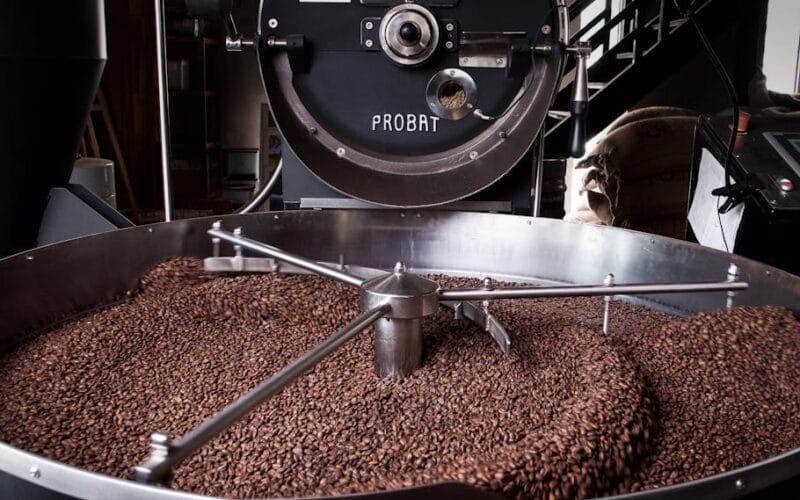
Here’s the kicker: my roaster is a 100g fluid bed with no temperature feedback, only power and airflow control. That’s a double-edged sword. Without real-time temp data, I’m guessing at the roast curve, which explains the inconsistency. The metallic note might be a sign of uneven heat distribution or over-oxidation. Maybe the roast is burning the beans’ natural oils, creating that metallic residue. Or perhaps the airflow isn’t cutting it at the right moment, letting the coffee overheat.
The key is timing. The metallic taste appears at a specific point in the roast, suggesting a chemical reaction triggered by heat and time. It’s not about the beans—it’s about how the roast is executed. If the same coffee can taste great sometimes, there’s a window where the roast is perfect. But without precise control, it’s a crapshoot.
– Your roaster’s lack of temperature feedback means you’re guessing at the roast curve, leading to inconsistency.
KEY POINTS: – The metallic taste appears at minute 6, suggesting a specific chemical reaction tied to heat and time. – Your roaster’s lack of temperature feedback means you’re guessing at the roast curve, leading to inconsistency. – Focus on timing and airflow adjustments to avoid over-oxidation or burning.
Close: Have you ever faced a roast that tasted like it was cooked in a rusted pan? What did you do to fix it? Let’s troubleshoot together.
Questions & Answers
What causes a metallic taste in self-roasted coffee?
Metallic taste often stems from overheating or burning during roasting, especially around 6 minutes. It can also come from impurities in beans or inconsistent roasting conditions.
How to fix metallic notes in coffee roasts?
Adjust roast timing, ensure even heat distribution, and check bean quality. Avoid over-roasting and monitor airflow to prevent burning and metallic flavors.
Information sourced from industry reports and news outlets.