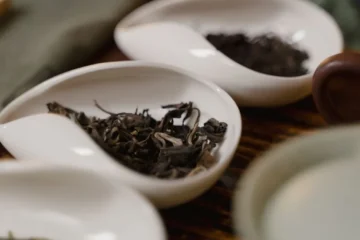
There’s something brewing in the world of aged sheng pu’er—specifically, a debate over whether lowering water temps can coax out hidden layers of flavor. A recent experiment with a 2005 Yiwu cake revealed that dropping below boiling point could transform the tea’s profile, turning earthy notes into something closer to honeyed fruit. The question isn’t just about technique—it’s about rethinking how we approach aging, extraction, and the delicate balance between sweetness and storage taste.
Aged sheng, especially beyond a decade, often carries a distinct “storage taste”—that muddy, musty character from years in clay jars. But this isn’t a flaw; it’s a signature. The trick lies in how you extract it. Full boiling water, while effective for younger sheng, can overwhelm older cakes, extracting bitterness and leaving sweetness buried. Lower temps, however, act like a gentle hand, coaxing out floral and sweet notes without over-extracting. The first few steeps of the 2005 cake, brewed at 195–200°F, revealed a surprising brightness, almost like a vintage wine opening up in the glass.
This isn’t a one-size-fits-all approach. Shou pu’er, with its fermented depth, thrives at higher temps, where boldness and richness emerge. Aged sheng, though, demands nuance. The key is understanding how age alters the tea’s structure—older cakes require slower, cooler extraction to avoid bitterness. It’s a reminder that time doesn’t just age tea; it changes how it interacts with water.
So what’s the takeaway? Adjust your water temp based on the cake’s age. For anything over a decade, consider lowering it to 195–200°F to highlight sweetness and reduce storage taste. For shou, stick with boiling. And don’t underestimate the role of time in shaping flavor—some of the most rewarding brews come from patience, not pressure.
Have you noticed changes in flavor as cakes age.
What’s your go-to water temp for aged sheng? Have you noticed changes in flavor as cakes age? Let’s discuss.
Questions & Answers
Should I cool water below boiling for aged sheng?
No, aged sheng should be brewed with water just below boiling. High heat can strip flavor, while lower temps preserve complexity. Aim for 180–190°F for best results.
Does water temp affect aged sheng taste?
Yes, water temp affects extraction. Too hot and it becomes bitter; too cool and it’s weak. Proper temp balances flavor and aroma, enhancing the tea’s characteristics.
Information sourced from industry reports and news outlets.