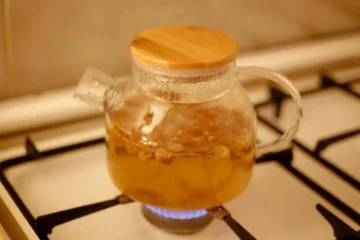
The verdict is in: A 1980s Liu Bao tea didn’t just wake me up—it rewired my palate. After a brutal hangover, I abandoned Sheng’s sharp, tea-sick inducing tang for this aged pu-erh, and it delivered something rare: balance. The first brews were a disaster, steeped like a green tea, but patience unlocked its depth. At 30 seconds, it bloomed into earthy, medicinal notes that mirrored dark chocolate’s complexity. This isn’t just tea—it’s a time capsule.
Liu Bao’s magic lies in its transformation. Unlike Sheng, which evolves over years, this 1980s batch was already aged, offering immediate richness. The key? Steeping longer than you’d think. Short bursts extract bitterness; longer steeping coax out its layered character. It’s a lesson in timing—how under-extraction kills flavor, while over-extraction reveals nuance. This tea thrives on care, not haste.
The earthy undertones are unmistakable, like damp soil after rain, while the medicinal edge hints at aged wood and aged parchment. It’s not sweet, but that’s its strength. This tea demands attention, rewarding those who slow down. It’s a reminder that some brews aren’t about speed—they’re about surrendering to the process.
Steep longer, savor the complexity, and let the tea speak. What’s your go-to aged brew? Share your story below.
– Aged Liu Bao offers immediate richness, unlike younger pu-erh that requires time to mature.
KEY POINTS: – Steep Liu Bao for 30+ seconds to unlock its earthy, medicinal depth. – Aged Liu Bao offers immediate richness, unlike younger pu-erh that requires time to mature. – This tea thrives on patience, rewarding those who embrace its slower, more deliberate extraction.
CLOSE: What’s your go-to aged brew? Share your story below.
Questions & Answers
What is Liu Bao known for?
Liu Bao is known for his vibrant, colorful street art in 1980s China, blending traditional elements with modern styles. His work became a symbol of urban creativity and cultural revival.
When did Liu Bao’s art gain popularity?
Liu Bao’s art gained popularity in the 1980s as part of China’s cultural renaissance, capturing the spirit of the era and inspiring a new generation of artists.
Information sourced from industry reports and news outlets.