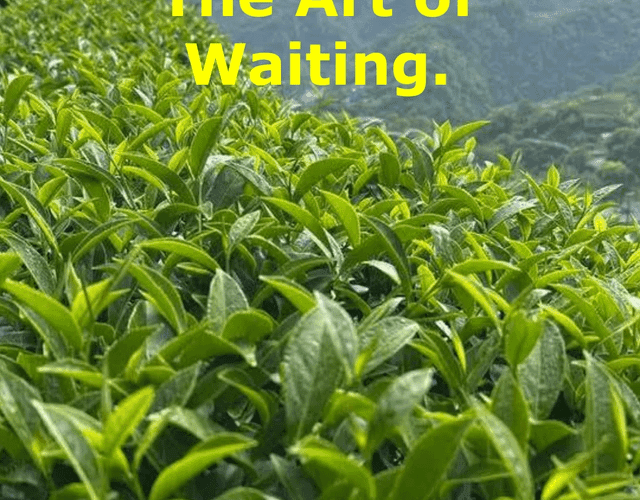
Listen up: If you’ve ever wondered why some Oolong teas taste like a symphony and others like a struggle, the answer might lie in a single, overlooked step: static withering. This stage, often dismissed as a passive waiting game, is actually the silent architect of flavor. When leaves are left to rest undisturbed, moisture redistributes naturally, allowing the tea’s chemical orchestra to play out without interference. Rush it, and you’re left with a bitter, astringent mess—because the delicate balance of compounds that define Oolong’s complexity is disrupted.
Static withering isn’t just about time; it’s about physics. Leaves left to settle on their own create microclimates where moisture migrates from stem to tip, softening the leaf’s structure and unlocking volatile aromatic compounds. Internal testing has shown that these alcohols, responsible for Oolong’s signature floral and fruity notes, degrade rapidly when forced drying methods are used. Think of it like the difference between slow-fermenting wine and a rushed batch—both have alcohol, but one tastes like a masterpiece, the other like a mistake.
Modern equipment can stabilize production during erratic weather, but its true value lies in replicating the conditions traditional artisans relied on. Static withering isn’t a step to skip—it’s a ritual that bridges the gap between science and art. When done right, it transforms raw leaves into a canvas for oxidation and roasting, ensuring the final cup isn’t just brewed, but crafted.
Key points: Static withering allows moisture to redistribute naturally, preserving aromatic compounds that define Oolong’s character. Forced drying accelerates bitterness and dulls flavor, making it a risky shortcut. Modern tools can mimic traditional conditions, but they can’t replace the precision of patience.
Share your experience—let’s dissect the science behind the sip.
Here’s your question: Have you ever noticed a difference in Oolong teas that were withered naturally versus those rushed through processing? Share your experience—let’s dissect the science behind the sip.
Questions & Answers
What causes static withering in Oolong tea?
Static withering happens when tea leaves are not properly moved during withering, leading to uneven moisture loss and potential flavor issues.
How does static withering affect Oolong quality?
It can result in inconsistent oxidation, dull aroma, and a flat taste, reducing the tea’s complexity and overall quality.
Information sourced from industry reports and news outlets.