

⏱ 2 min read
The Short Version
Forget sterile critic scores; the true soul of Rheinhessen Riesling lies in the raw connection between landscape and glass. Whether it’s Dreissigacker’s seamless synergy or Wittmann’s unrefined, earthy energy, these wines offer a sensory map of the terroir itself.
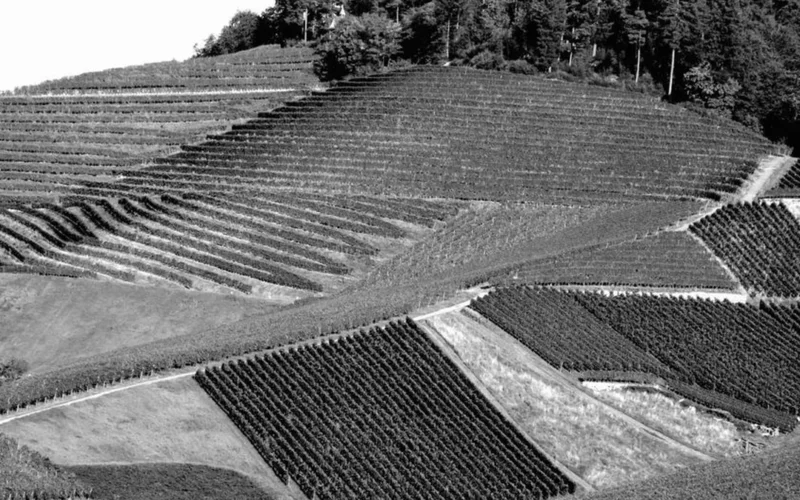
Wine tasting often devolves into a sterile pursuit of high scores and technical perfection. For those born in Rheinhessen, however, the true value of a glass lies in the connection between the liquid, the estate, and the surrounding landscape. A great Riesling should not exist in a vacuum; it must reflect the atmosphere of the place where it was crafted.
The single vineyard wines are amazing and most of the village wines are on the same level as the single vineyard wines of many competitors.
The Experience of Dreissigacker
While critics may focus on acidity levels or mineral profiles, the sensory experience of visiting a winery can redefine how you perceive a vintage. Currently, Dreissigacker stands out as a premier example of this synergy. The winery, located in Bechtheim, offers an environment where the team is exceptionally welcoming and the setting feels integrated with the vines. The single vineyard wines are amazing and most of the village wines are on the same level as the single vineyard wines of many competitors. This creates a portfolio where even the more accessible bottles punch well above their weight class.
For a specific recommendation, look to the Bechtheim Riesling. It serves as a perfect entry point to understanding how the winery’s philosophy translates from the soil to the glass. It is a destination where the winemaking excellence aligns perfectly with the hospitality, creating a holistic sense of place that a mere critic’s score cannot capture.
Earthy Profiles at Wittmann and Heerkretz
Proximity to specific vineyard sites often dictates character, a fact evident when comparing neighbors like Wittmann to Dreissigacker. While they share certain terroir, the expression changes significantly. Wittmann’s landscape feels less polished—more earthy, open, and remote. This ruggedness translates directly into the glass; while their sparkling wines are standout performers, their Riesling possesses a distinct, unrefined energy that suits its surroundings.
For those seeking even deeper personality, Heerkretz produces Rieslings that mirror this raw, natural aesthetic. These are powerful wines characterized by real grit and unmistakable presence. Choosing between these producers isn’t just about picking a label; it is about deciding which version of the Rheinhessen landscape you want to experience.
When you travel for wine, do you prioritize the technical score of the bottle or the atmosphere of the estate?
Questions & Answers
What makes Dreissigacker Riesling wines stand out?
Dreissigacker wines stand out because of the synergy between their exceptional winemaking and the integrated vineyard setting in Bechtheim. The winery produces a portfolio where even the more accessible village wines perform at a level comparable to the single vineyard offerings of many competitors. This high standard ensures that most bottles in their collection punch well above their weight class. For those new to the estate, the Bechtheim Riesling serves as an ideal entry point to experience their unique philosophy.
How do the Riesling profiles of Wittmann and Heerkretz differ?
Wittmann and Heerkretz offer different expressions of the Rheinhessen landscape through their distinct Riesling profiles. Wittmann produces wines with an unrefined energy that reflects a rugged, earthy, and open landscape. In contrast, Heerkretz focuses on a raw and natural aesthetic, creating powerful wines characterized by significant grit and a strong presence. Choosing between these two producers allows a drinker to decide whether they prefer a sense of remote earthiness or a more intense and gritty personality.
Why is the sense of place important when tasting Rheinhessen Riesling?
The sense of place is vital because a great Riesling should reflect the specific atmosphere and landscape where it was crafted. Rather than existing as a sterile product defined only by technical scores or acidity levels, the wine acts as a connection between the liquid and the estate. This holistic approach means the sensory experience of the wine is deeply tied to the surrounding environment. By focusing on terroir, drinkers can experience how the soil and atmosphere translate directly into the glass.
What should a beginner look for when visiting the Dreissigacker winery?
A beginner should look for the Bechtheim Riesling as a starting point for understanding the winery's craftsmanship. This specific wine acts as a perfect introduction to how the estate's philosophy translates from the soil into the final bottle. Beyond the wine itself, visitors can experience a high level of hospitality and a welcoming environment that feels integrated with the vines. This combination of excellent winemaking and a strong sense of place provides a complete experience that goes beyond mere technical perfection.
Originally reported by Reddit Wine.


[…] selection is notably diverse, featuring one of the largest Riesling collections in the U.S., spanning both Germany and California. Despite the lingering stigma surrounding the […]
[…] tasting highly structured white wines, do you prefer them to be aromatically expressive from the start, or do you enjoy the challenge of […]