

⏱ 1 min read
The Short Version
While global hubs chase volume, Australia’s oldest wine region is actually shrinking its vineyard footprint to prioritize quality over scale. This pivot preserves the Hunter Valley's legendary Semillon—a stylistic anomaly that transforms from tart youth into a complex, aged masterpiece.
In This Article
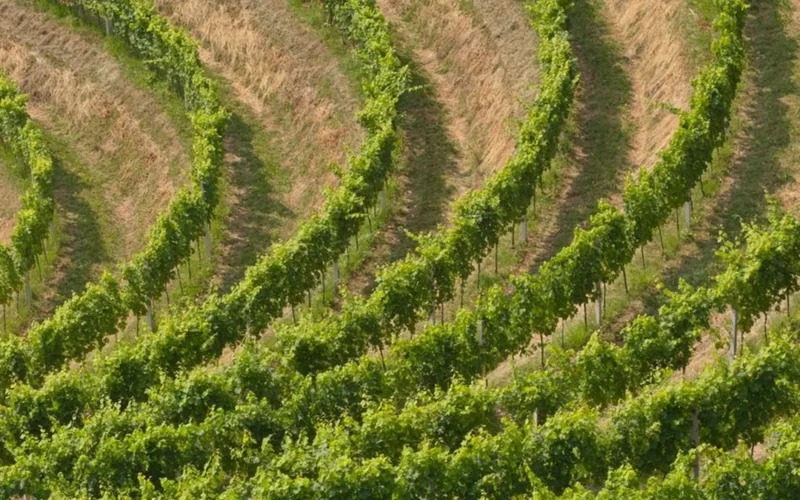
This is worth savoring: the quiet resilience of a wine region that refuses to scale up. While many global viticultural hubs chase volume, Australia’s oldest wine region, the Hunter Valley, has pivoted toward a small, highly distinctive personality. Established in 1828, the area has transitioned from a massive 19th-century producer into a concentrated collection of roughly 150 wineries. Today, the focus isn’t on expansion—in fact, more vines are being removed than planted—but on refining what makes this pocket of the Brokenback Range unique.
Time in bottle transforms this into a complex wine with toast, lanolin, and spice aromas.
The Alchemy of Hunter Semillon
The true icon of the region is undoubtedly its Semillon. It is a stylistic anomaly; you wouldn’t typically expect such success in a hot, humid climate. To achieve it, growers pick early to maintain low potential alcohol, resulting in a bright, tart white fermented in stainless steel. Time in bottle transforms this into a complex wine with toast, lanolin, and spice aromas. This evolution from a lean, neutral youth to an intricate, aged masterpiece is perhaps the most celebrated transformation in Australian wine. The recent shift from cork to screwcaps has further stabilized this aging process, removing much of the historical inconsistency that once plagued collectors.
Legacy Vines and New Frontiers
Beyond Semillon, the Hunter holds deep roots in Chardonnay and Shiraz history. Tyrrell’s HVD vineyard, planted in 1908, houses some of the oldest Chardonnay vines in existence, while legends like Maurice O’Shea paved the way for red table wines during an era obsessed with fortifieds. While these heritage varieties anchor the region, new players are testing the limits of the terroir. Varieties like Albariño and Fiano are showing significant promise, proving that even a two-century-old region can find fresh expression. However, the greatest threat isn’t climate or grape variety, but rising real estate values competing for the land beneath those precious, old-growth vineyards. Do you prefer your Semillon in its bright, youthful state or after years of cellar aging?
Questions & Answers
What makes Hunter Valley Semillon unique compared to other wines?
Hunter Valley Semillon is a stylistic anomaly because it achieves high success despite the region's hot and humid climate. To maintain its distinctive character, growers harvest the grapes early to keep potential alcohol levels low. This results in a bright, tart white wine that undergoes a remarkable transformation during aging. Over time, the initial lean and neutral flavors evolve into a complex masterpiece featuring sophisticated aromas of toast, lanolin, and spice.
How has the production style of the Hunter Valley changed over time?
The Hunter Valley has transitioned from being a massive nineteenth-century producer into a concentrated collection of roughly 150 boutique wineries. Rather than chasing global volume or expansion, the region is currently focusing on refining its unique personality and distinctive character. This shift toward quality over quantity is evidenced by the fact that more vines are actually being removed from the landscape than are being newly planted today.
Why is the Hunter Valley considered a significant region for heritage grape varieties?
The Hunter Valley holds deep historical roots through its legacy vines and pioneering winemakers who shaped Australian viticulture. For example, the Tyrrell’s HVD vineyard contains some of the oldest Chardonnay vines in existence, dating back to 1908. Additionally, legendary figures like Maurice O’Shea helped establish the region's reputation for red table wines during an era when most producers were primarily focused on creating fortified wines.
What are the primary challenges facing modern vineyards in the Hunter Valley?
The greatest threat to the Hunter Valley's viticulture is the rising value of real estate competing for precious vineyard land. As property prices climb, the land beneath old-growth vineyards faces intense pressure from different development interests. While growers are also experimenting with new varieties like Albariño and Fiano to find fresh expressions of the terroir, managing the economic competition for land remains a critical concern for the region's future.
Originally reported by Wine Anorak.



[…] wine enthusiasts, tea devotees—transitioning from the predictable warmth of bourbon to the complex architecture of wine is often a sudden, jarring epiphany. For years, high-quality spirits offer a reliable roadmap of […]