⏱ 2 min read
The Short Version
Defying nearly forty years of aging, Rare Champagne’s 1988 vintage maintains a razor-sharp acidity that scoffs at oxidation. This Chardonnay-dominant masterpiece trades fruit density for structural precision, delivering a sophisticated tension between delicate bubbles and deep, burnt-sugar complexity.
In This Article
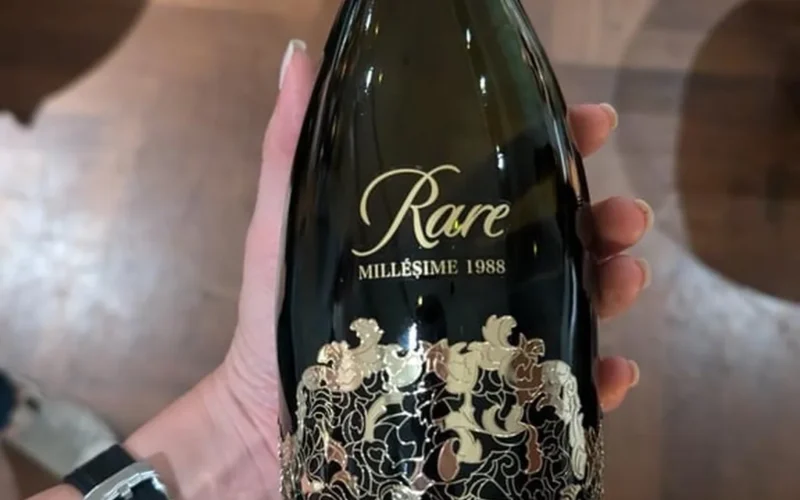
The 1988 vintage from Rare Champagne arrived in the glass just one day after National Champagne Day, though its thirty-eight-year wait for the right moment felt far more significant. This isn’t a house defined by consistent annual releases; instead, Rare operates on a strict principle of scarcity, producing only about 14 vintages over the last forty years. By selecting only standout years, the producer ensures that every bottle carries a specific, unrepeatable historical marker.
The bubbles were limited but the acidity is still razor sharp.
Precision through acidity
The 1988 harvest was characterized by cool temperatures and a late ripening period, resulting in a profile marked by minimal ripeness and high natural acidity. While many older Champagnes can succumb to oxidation or lose their structural integrity, this bottling remains remarkably vibrant. The composition is predominantly Chardonnay, a factor that provides the necessary backbone to maintain freshness even after nearly four decades in the cellar.
The bubbles were limited but the acidity is still razor sharp. This tension between the delicate effervescence and the piercing acid defines the drinking experience. On the palate, the wine opens with bright notes of lemon curd and honeycomb before transitioning into deeper, more complex layers. There is a distinct presence of burnt sugar crust, reminiscent of a well-executed crème brûlée, which adds a sophisticated weight to the fruit.
A study in vintage rarity
What makes Rare exceptional is the intentionality behind its production schedule. Because they refuse to dilute their reputation with mediocre years, the house maintains an aura of exclusivity that few other Champagne producers can claim. The 1988 expression serves as a testament to how Chardonnay-dominant blends can age gracefully when the primary driver is acidity rather than sheer fruit density.
As the wine evolves, it proves that longevity in fine sparkling wine isn’t just about time spent in the bottle, but about the climatic conditions present at the moment of harvest. For those seeking rare expressions of the terroir, the scarcity of these vintages only heightens the impact of each pour.
Do you prefer your aged Champagnes to lean toward rich, oxidative complexity or do you look for that sharp, citrusy acidity?
Questions & Answers
What makes the Rare Champagne 1988 vintage so unique?
The Rare Champagne 1988 vintage is unique because of the producer's strict principle of scarcity and intentional production schedule. Unlike houses that release wine annually, Rare has produced only about 14 vintages over the last forty years by selecting only standout years. This approach ensures every bottle serves as a specific, unrepeatable historical marker. The 1988 expression specifically demonstrates how a Chardonnay-dominant blend can maintain remarkable vibrancy and structural integrity even after nearly four decades of aging in a cellar.
How did the weather conditions during the 1988 harvest affect the wine?
The 1988 harvest was defined by cool temperatures and a late ripening period which shaped the wine's specific profile. These climatic conditions resulted in minimal ripeness and high natural acidity within the grapes. This high acidity is the primary driver that allows the Champagne to age gracefully rather than succumbing to oxidation. Because the acidity provides a strong backbone, the wine maintains a sharp, citrusy tension and freshness despite the significant amount of time spent aging in the bottle.
What flavor profile can be expected from the 1988 Rare Champagne?
The 1988 Rare Champagne features a complex profile that transitions from bright citrus notes to deep, sophisticated layers. Upon tasting, the wine opens with distinct notes of lemon curd and honeycomb. As it evolves on the palate, it develops a presence of burnt sugar crust similar to the flavor of a well-executed crème brûlée. This combination of fruit and caramelized notes provides a sophisticated weight that balances the wine's limited effervescence and razor-sharp acidity.
Why does Rare Champagne produce so few vintages compared to other houses?
Rare Champagne produces a limited number of vintages to maintain an aura of exclusivity and protect its reputation. The producer refuses to dilute its brand by releasing mediocre years, choosing instead to focus only on exceptional harvests. By producing only about 14 vintages over a forty-year period, the house ensures that every release is a standout expression of its terroir. This intentional scarcity makes each bottle a rare commodity that highlights the specific qualities of a single, exceptional growing season.
Originally reported by Reddit Wine.