⏱ 2 min read
The Short Version
Specialty coffee exploded by turning sensory quality into a social ritual, yet tea's growth remains stagnant. To scale, tea must stop gatekeeping complex knowledge and start prioritizing tangible, accessible experiences that turn a niche leaf into a premium daily habit.
When Kevin Thaxton joined Blue Bottle Coffee in 2011, the company operated just six Bay Area cafés. By 2017, Nestlé had secured a majority stake in a brand valued at over $700 million. This explosion was fueled by a shift away from commodity products toward something distinctive—coffee that could be shaped by origin and processing in ways consumers could actually taste. While specialty coffee consumption among US adults rose 84% between 2011 and 2025, specialty tea remains in a different stage of development, with retail sales forecast to grow only 0.5% to $10.6 billion in 2026.
People being able to actually taste that quality, and not just somebody telling you the quality is better, was really important.
Tangible quality and the third place
Specialty coffee succeeded because it made high-end attributes something customers could actually experience, not just hear about. Thaxton notes that while origin and processing matter, customers often prioritize roast level because it is easy to distinguish. People being able to actually taste that quality, and not just somebody telling you the quality is better, was really important. Cafés transformed this sensory experience into a “third place,” where baristas used hand-crafted personalization to build human connection. This physical presence turned a simple caffeine kick into a social ritual, driving specialty drinkers to seek prepared beverages away from home at much higher rates than traditional drinkers.
The view from the floor differs slightly from the boardroom. From behind the bar, Thaxton saw how technical obsession can alienate guests; from his leadership role, he saw an industry that occasionally prioritized its own excitement over the customer’s experience. Darren Marshall, CEO of Steven Smith Teamaker, sees a similar risk: innovators often stray too far from the core consumer by curating experiences that are unique but lack broad relevance. For tea, the opportunity lies in its versatility across Camellia sinensis, herbs, and botanicals—but only if it avoids the trap of becoming too intimidating or stripping away the very hospitality that built coffee’s loyalty.
Prioritizing experience over gatekeeping
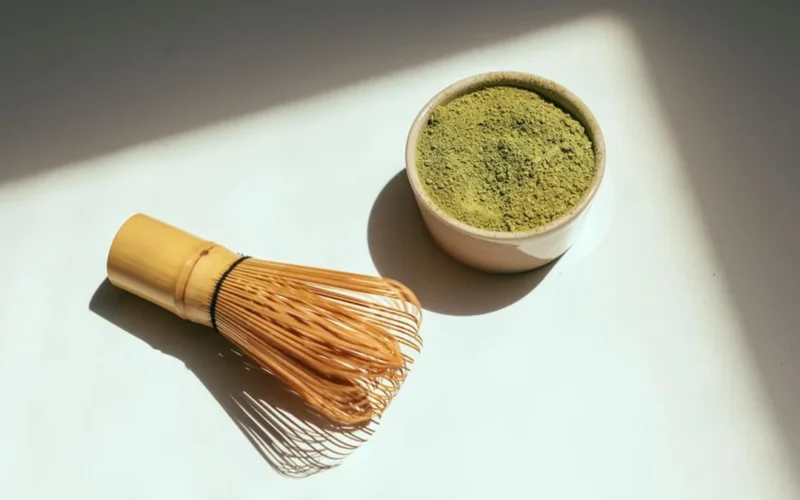
To capture more market share, specialty tea must make quality differences tangible without becoming exclusionary. The success of matcha—with Japanese green tea exports roughly doubling to ¥72.1 billion ($6.3 million) in 2025—proves that functional, highly visible products can drive global demand. For the US market, where 35% of tea drinkers prioritize functional benefits, the opportunity lies in deepening existing habits rather than forcing new ones.
Success requires delivering products that look, taste, and feel good as part of a differentiated experience. Rather than acting as gatekeepers of complex tea knowledge, specialists should offer education only when requested. By investing as much in connection and ritual as in the leaf itself, tea can move from a niche interest to a premium daily staple.
Do you think tea’s complexity makes it harder to sell to casual drinkers compared to coffee?
Questions & Answers
Why did specialty coffee experience such rapid market growth?
Specialty coffee grew rapidly by shifting away from commodity products toward distinctive beans shaped by specific origins and processing methods. This allowed consumers to actually taste the quality rather than just hearing about it through marketing. Additionally, coffee culture created a third place where baristas used hand-crafted personalization to build human connections. This transformation of a simple caffeine kick into a social ritual drove specialty drinkers to seek prepared beverages away from home at much higher rates than traditional drinkers.
How can specialty tea increase its market share in the United States?
Specialty tea can increase its market share by making quality differences tangible without becoming exclusionary or intimidating to the consumer. The industry should focus on deepening existing habits, such as the functional benefits that 35% of US tea drinkers already prioritize. Rather than acting as gatekeepers of complex knowledge, tea specialists should offer education only when requested. Success lies in investing in connection and ritual to move tea from a niche interest to a premium daily staple.
What role does matcha play in the global tea market?
Matcha serves as a highly visible and functional product that drives significant global demand. The success of matcha is evidenced by the fact that Japanese green tea exports are projected to roughly double to 72.1 billion yen by 2025. This growth demonstrates that when tea products are functional and visually distinct, they can capture widespread consumer interest. Matcha provides a template for how tea can move beyond niche categories into more mainstream, high-demand beverage segments.
What are the risks of technical obsession in the specialty beverage industry?
Technical obsession risks alienating guests by prioritizing industry excitement over the actual customer experience. When innovators focus too heavily on complex details, they may curate experiences that are unique but lack broad relevance to the core consumer. In both the coffee and tea industries, experts can accidentally become gatekeepers of knowledge, which creates a barrier to entry. To maintain loyalty, brands must balance their technical passion with hospitality and accessible, tangible quality that customers can easily enjoy.
Originally reported by STiR Coffee and Tea Magazine.