⏱ 1 min read
The Short Version
Wachau’s Riesling reveals terroir as a liquid map, translating soil and slope into flavor, offering honest, place-driven wine without ego. Climate change is reshaping its classic character, blending challenge and opportunity.
In This Article
Riesling’s understated challenge to Burgundy’s dominance is gaining traction. In Wachau and Rheingau, the grape sheds its pretense, revealing a liquid map of its origins—sunlight, soil, slope—etched into every sip. The ripeness, the minerality, the balance between acidity and fruit? It’s not just wine. It’s history in a glass.
A great Ries-ling is a liquid map of its vineyard and region.
Terroir as a Language
These regions don’t just grow Riesling; they translate it. A 2018 Wachau vineyard’s slate soil murmurs through the wine’s stony finish, while Rheingau’s riverstone slopes leave a briny imprint on the palate. It’s not about flavor so much as narrative. The wine doesn’t obscure the land—it amplifies it. You don’t taste the grape. You taste the place.
Value in Obscurity
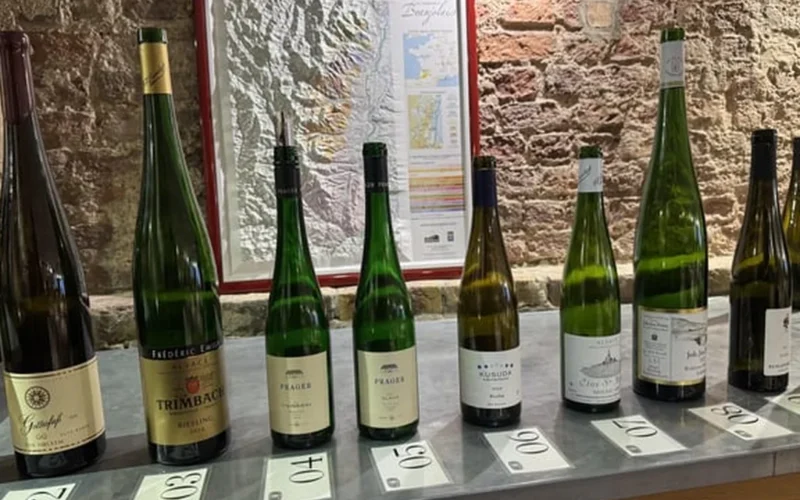
While Burgundy’s prices soar, Riesling’s unassuming reputation is its power. A Clos Ste Hune 08 might transport you to another world, but Riesling offers the same soul without the ego. The finest examples are unembellished—bright, saline, alive. They don’t need to be showy. They just need to be honest.
A great Ries-ling is a liquid map of its vineyard and region.
Climate change is rewriting the story of terroir in Wachau and Rheingau. Warmer temperatures are shifting ripening windows, altering acidity levels, and redefining what “classic” Riesling might mean. These changes are both a challenge and an opportunity—forcing winemakers to adapt while preserving the essence of place.
What’s your favorite Riesling region—and why?
Questions & Answers
How does terroir influence Wachau’s Riesling?
Terroir shapes Wachau’s Riesling through its unique sunlight, soil, and slope. Slate soils in 2018 vineyards create a stony finish, while riverstone slopes in Rheingau add a briny note. The wine reflects the land, offering a narrative of place rather than just flavor.
Why is Riesling considered a liquid map of its region?
Riesling captures the essence of its vineyard and region, revealing details like soil type and slope through taste. A 2018 Wachau Riesling showcases slate’s influence with a stony finish, while Rheingau’s riverstone slopes leave a briny imprint. It’s a sensory map of terroir.
What makes Riesling stand out compared to Burgundy?
Riesling offers the soul of Burgundy without the ego. It’s unembellished, bright, and saline, focusing on honesty over showiness. Unlike Burgundy’s soaring prices, Riesling delivers depth and balance with a more approachable style.
How is climate change affecting Wachau’s Riesling?
Climate change is altering ripening windows and acidity levels in Wachau, redefining what classic Riesling means. Warmer temperatures challenge winemakers to adapt while preserving the wine’s connection to its place, creating both obstacles and opportunities.
Originally reported by Reddit Wine.