

⏱ 1 min read
The Short Version
Forget seasonal treats; younger drinkers have traded sugary frappuccinos for a year-round obsession with sophisticated cold brew. This isn't just a trend, but a fundamental structural shift toward stable, low-acid caffeine that ignores the thermometer entirely.
This is worth savoring: the way Americans consume caffeine has undergone a fundamental structural change. If you look closely at the demographics of your local cafe, a clear divide emerges between those seeking warmth and those reaching for ice. While older generations remain tethered to the ritual of the steaming mug, younger drinkers have effectively declared an era of perpetual cold brewing. This isn’t just a seasonal preference; it is a complete realignment of how we interact with coffee throughout the day.
The transition from dessert-like frozen drinks to sophisticated cold brew represents a massive cultural pivot.
From Frappuccinos to Functional Caffeine
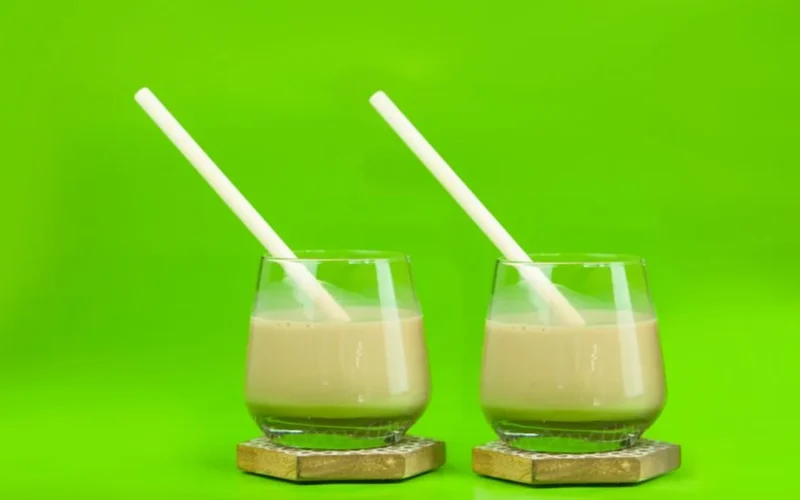
The confusion regarding when this shift occurred often stems from what was actually being consumed. In the early 2010s, “iced coffee” was frequently synonymous with sugary, blended milkshakes like Starbucks frappuccinos or Tim Hortons’ iced cappuccinos. These were treats rather than true coffee beverages. During that period, the standard college student was still largely fueled by hot drip coffee. The transition from dessert-like frozen drinks to sophisticated cold brew represents a massive cultural pivot. As the specialty coffee movement matured, the focus shifted from sugar-heavy concoctions toward the clean, low-acid profiles offered by long-steeped methods.
The Rise of Year-Round Cold Consumption
What we are seeing now is the normalization of cold brew as a primary caffeine source regardless of the thermometer reading. For many in their twenties, the texture and convenience of cold coffee make it the default choice. Unlike hot coffee, which requires immediate consumption before it loses its optimal temperature, cold brew is remarkably stable. This stability has allowed it to move from a niche summer luxury to an all-season staple. The preference for cold coffee isn’t just about temperature; it’s about a specific flavor profile that prioritizes sweetness and smoothness over the bright acidity found in hot pours. Do you find yourself reaching for iced coffee even when the weather turns cold?
Questions & Answers
Why is there a generational divide in coffee consumption habits?
A clear demographic divide exists because older generations tend to stick to the ritual of drinking hot coffee from steaming mugs, while younger drinkers have shifted toward cold brewing. This change represents a fundamental realignment in how different age groups interact with caffeine throughout the day. While older consumers remain tethered to traditional warm beverages, younger demographics have embraced a culture of perpetual cold consumption that moves beyond simple seasonal preferences.
How has the definition of iced coffee changed over time?
The definition of iced coffee has evolved from sugary dessert-like treats to sophisticated, specialty coffee beverages. In the early 2010s, iced coffee was often synonymous with blended, sugar-heavy milkshakes like Frappuccinos. However, as the specialty coffee movement matured, the focus shifted toward long-steeped methods like cold brew. This transition replaced high-sugar concoctions with drinks that prioritize clean, low-acid profiles and a more refined caffeine experience for the modern consumer.
What are the primary benefits of choosing cold brew over hot coffee?
Cold brew offers superior stability and a smoother flavor profile compared to traditional hot pours. Unlike hot coffee, which must be consumed immediately before it loses its optimal temperature, cold brew remains remarkably stable over time. This convenience makes it an ideal all-season staple rather than just a summer luxury. Additionally, many drinkers prefer the specific texture of cold coffee, which emphasizes sweetness and smoothness over the bright acidity typically found in hot coffee.
When did the transition from frozen treats to specialty cold brew occur?
The cultural pivot toward sophisticated cold brewing happened as the specialty coffee movement matured following the early 2010s. During that previous era, college students and many consumers primarily relied on hot drip coffee or sugary, blended frozen drinks. As consumer tastes evolved, the market moved away from these dessert-like iced cappuccinos toward the high-quality, low-acid profiles offered by long-steeping methods, eventually normalizing cold coffee as a primary year-round caffeine source.
Originally reported by Reddit Coffee.

[…] this your morning briefing: the global coffee market is currently balancing on a razor’s edge between scarcity and surplus. Certified arabica […]
[…] a social media mainstay. But don’t mistake this sudden ubiquity for a permanent evolution in how we drink coffee; it is more likely a byproduct of specific cultural currents that may soon shift […]