

⏱ 2 min read
The Short Version
Born from aggressive British colonial marketing, chai was reclaimed by South Asians as a thick, spiced powerhouse. For the region’s working class, this milky infusion isn't just a beverage—it’s a vital, caloric lifeline that functions more like a meal than a drink.
In the bustling streets of Karachi, a sixty-year-old woman named Bano sits on a wooden daybed in a tea hotel. After a leg injury forced her to leave her cleaning job, she has been begging on the street to survive. On this particular morning, a stranger provided her with a cup of chai rather than breakfast. For Bano, this sweet, milky beverage is more than just a drink; it is a lifeline that will sustain her through the day when no other food is available. Her experience highlights the profound role tea plays in the daily survival and social fabric of the region.
"It might be the only fortifying meal, so to speak, that you can look forward to."
From Colonial Marketing to Cultural Staple
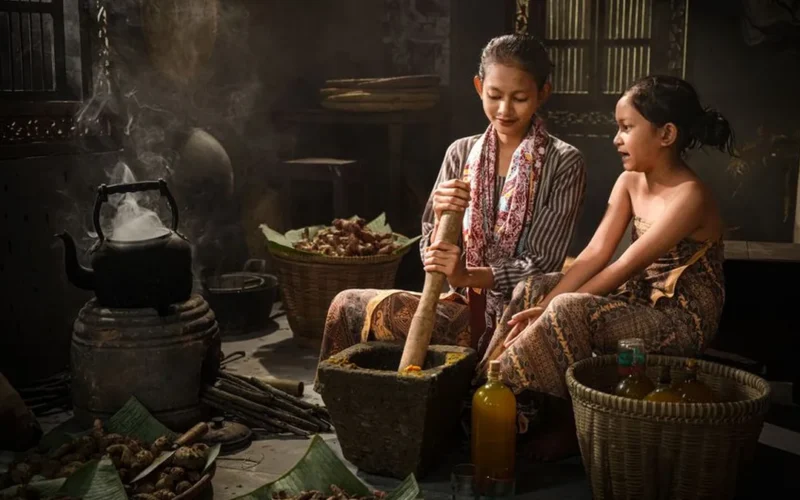
The prevalence of tea in India and Pakistan was not accidental, but rather the result of aggressive colonial marketing. To expand the market for British tea exports, companies dispatched women to go door-to-door, distributing samples to housewives in hopes they would begin brewing it at home. However, the locals did not adopt the British style of thin, leaf-heavy tea. Instead, they transformed it into something entirely their own. By adding significant amounts of milk, sugar, and a variety of warming spices, they created “chai.” This version often includes cardamom, cinnamon, and black pepper, simmered until the liquid becomes thick, gloopy, and intensely flavorful. What began as a commercial attempt by the British ended up being reimagined by the local population into a distinct culinary identity.
A Fortifying Meal for the Working Class
Because of its high sugar and milk content, chai evolved into much more than a refreshment. For many members of the working class, it serves a vital nutritional purpose. As food writer Afridi notes, the beverage’s unique profile provides a sense of sustenance that regular water or light tea cannot offer.
“It might be the only fortifying meal, so to speak, that you can look forward to.”
This milk-forward flavor has allowed chai to bridge the gap between a simple drink and a caloric necessity. In cities like Karachi, where economic disparity is stark, the small act of buying someone a cup of chai can represent a significant gesture of mercy. For people like Bano, the warmth and sweetness of the brew are not just luxuries, but essential tools for endurance in an unforgiving environment.
Questions & Answers
Why is chai so important to the working class in South Asia?
Chai serves as a vital source of nutritional sustenance and caloric energy for many working-class individuals. Because the beverage contains significant amounts of milk and sugar, it functions much like a fortifying meal rather than just a simple refreshment. For people facing extreme economic hardship or food insecurity, a cup of chai provides the necessary warmth and energy to endure long days. This makes the drink an essential tool for survival in environments where regular meals may not be readily available.
How did tea become a cultural staple in India and Pakistan?
Tea became a widespread staple through aggressive colonial marketing efforts designed to expand British tea exports. Companies sent women door-to-door to distribute samples to local housewives to encourage home brewing. While the locals rejected the thin, leaf-heavy style favored by the British, they reimagined the drink by adding milk, sugar, and warming spices. This transformation turned a commercial product into a distinct culinary identity that eventually became deeply embedded in the region's social fabric.
What ingredients are typically used to make traditional chai?
Traditional chai is made by combining tea with significant amounts of milk, sugar, and various warming spices. Common additions include cardamom, cinnamon, and black pepper, which are simmered together to create a unique flavor profile. Unlike the lighter tea styles found in Britain, this version is brewed until the liquid becomes thick, gloopy, and intensely flavorful. These specific ingredients transform the beverage from a simple infusion into a rich, milk-forward drink that provides a sense of physical fullness.
How does the preparation of chai differ from British-style tea?
Chai differs from British-style tea through its heavy use of dairy and spices to create a much thicker consistency. While the British preferred a thin, leaf-heavy tea, South Asian populations transformed the drink by adding large quantities of milk and sugar. The addition of spices like cinnamon and cardamom requires the liquid to be simmered until it reaches an intensely flavorful and thick state. This reimagining turned a colonial export into a calorie-dense beverage that offers much more sustenance than traditional tea.
Originally reported by NPR Food.


[…] preachy rhetoric; China’s new wave of tea culture is conquering global markets through flavor and design alone. While traditional bubble tea often […]
[…] we are seeing now is the normalization of cold brew as a primary caffeine source regardless of the thermometer reading. For many in their twenties, the texture and convenience of […]